


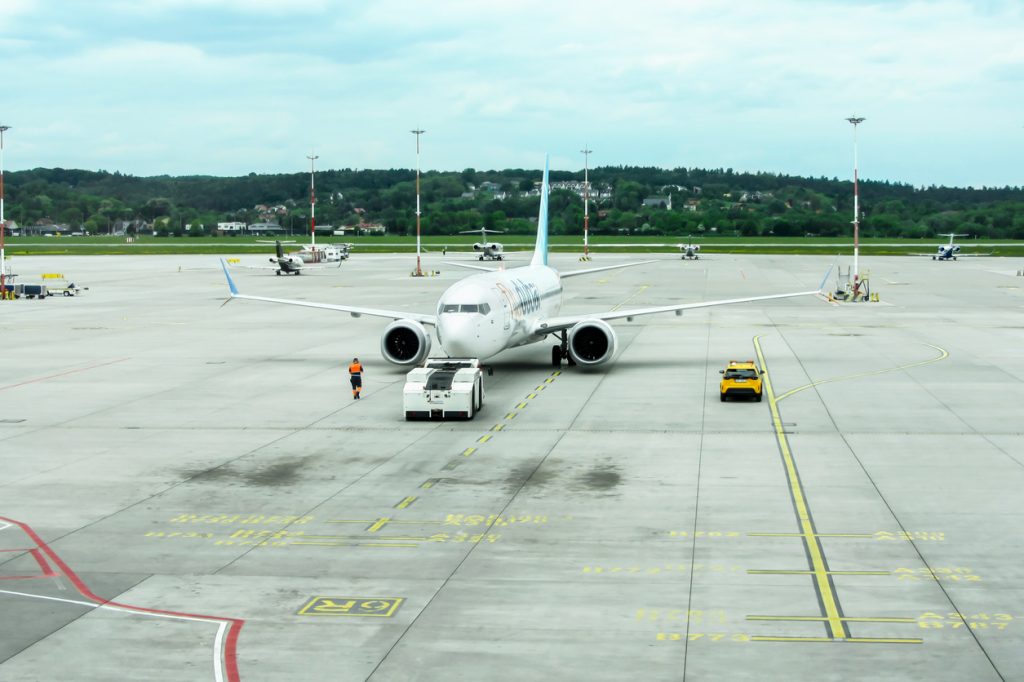
Aviation infrastructure in Africa supports the movement of passengers, aircraft and cargo across the continent and to international markets. It includes airports, runways, terminals, aprons, cargo facilities, navigation systems, maintenance infrastructure, ground support equipment and the road networks connecting airports with surrounding cities.
As air travel and air cargo continue to develop across African markets, the quality and capacity of this infrastructure can have a direct effect on aircraft operations, passenger experience and logistics performance.
What Aviation Infrastructure Includes
Aviation infrastructure goes beyond the passenger terminal.
A functioning airport may require:
- Runways and taxiways
- Aircraft aprons and parking stands
- Passenger terminals
- Baggage handling systems
- Cargo terminals and warehouses
- Aircraft maintenance facilities
- Air traffic control infrastructure
- Navigation and communication systems
- Ground support equipment
- Fuel storage and distribution facilities
- Airport access roads
- Security and screening infrastructure
Each component has a role in keeping aircraft and airport users moving. A modern terminal, for example, cannot compensate for inadequate aircraft parking positions if arriving flights regularly have to wait for a stand.
Airport Capacity and Growing Passenger Traffic
Airport capacity is an important consideration as passenger numbers increase.
When terminal facilities, security areas, baggage systems, aircraft stands or road access become congested, passengers and airlines can experience longer processing times and operational delays.
Several African airports have therefore invested in terminal expansions, new runways, additional aircraft stands and other infrastructure projects to accommodate changing demand.
The challenge is making sure different parts of the airport grow together. Expanding a terminal without improving the associated baggage, apron, road access and ground handling capacity can simply move congestion from one part of the operation to another.
Runways, Taxiways and Aircraft Movement
Runways and taxiways are fundamental to airport operations.
Their condition, capacity and configuration affect how efficiently aircraft can arrive, depart and move between different parts of an airport.
Busy airports may also require additional taxiways, rapid-exit taxiways or runway improvements to manage aircraft movements more effectively.
Maintenance is equally important. Regular inspections and repairs help ensure that aircraft movement areas remain suitable for safe operations and reduce the risk of infrastructure-related disruptions.
Airport Aprons and Aircraft Stands
Once an aircraft lands, it needs somewhere to park while passengers, baggage and cargo are handled.
Aprons and aircraft stands therefore play an important role in turnaround operations.
Insufficient parking positions can create delays when aircraft have to wait for an available stand. The problem can become more noticeable during peak operating periods when several flights arrive within a short timeframe.
Well-designed apron infrastructure should also provide suitable access for ground support equipment, fuel services, baggage vehicles and other airport operations.
Cargo Infrastructure and Air Freight
Air cargo depends heavily on appropriate airport infrastructure.
Cargo terminals need receiving areas, screening facilities, warehouses, loading equipment, temperature-controlled storage and access for trucks moving shipments to and from the airport.
This is particularly important for African exports such as fresh produce, flowers, pharmaceuticals and other time-sensitive goods.
A shipment can be transported by aircraft quickly, but inadequate warehousing or slow ground movement can reduce the overall advantage of air freight.
Ground Support Infrastructure
Ground support equipment and supporting facilities are another important part of aviation infrastructure.
Aircraft require equipment for baggage handling, cargo loading, passenger boarding, towing, ground power, water servicing and other turnaround activities.
If an airport has limited equipment or insufficient space for ground operations, aircraft turnaround can become more difficult.
Maintenance facilities and equipment storage areas are also important because ground support equipment needs to remain available and operational throughout the airport’s operating schedule.
Aircraft Maintenance Infrastructure
Aircraft maintenance infrastructure supports the technical side of aviation.
Maintenance, repair and overhaul facilities can allow airlines and aviation operators to carry out inspections, repairs and other technical work closer to where aircraft operate.
Developing local maintenance capabilities can reduce the need to send aircraft to distant facilities for certain types of work, although the requirements depend on aircraft type, maintenance scope and regulatory approvals.
Maintenance infrastructure also requires skilled personnel, specialised equipment, spare parts and reliable supply chains.
Airport Connectivity Outside the Terminal
An airport’s effectiveness is also influenced by what happens outside its perimeter.
Road networks, public transportation, parking facilities and freight access routes determine how easily passengers, employees and cargo can reach the airport.
This is particularly important in major African cities where traffic congestion can significantly increase travel time.
For cargo operators, poor road connectivity can create delays even when the airport’s airside facilities are operating efficiently. A truck that cannot reach a cargo terminal on time can disrupt loading schedules and onward deliveries.
Technology and Airport Infrastructure
Modern airport infrastructure increasingly depends on digital systems.
Airports can use technology for passenger processing, baggage management, security screening, cargo tracking, flight information and coordination between airport stakeholders.
Digital systems are particularly useful when multiple organisations need to share operational information.
However, technology works best when supported by reliable physical infrastructure, trained personnel and effective operating procedures.
Infrastructure Challenges Across Africa
African airports operate in very different environments, so infrastructure challenges vary from one country and airport to another.
Common issues can include:
- Limited airport capacity
- Ageing facilities
- Insufficient aircraft stands
- Inadequate cargo infrastructure
- Equipment shortages
- Road congestion around major airports
- High infrastructure development costs
- Maintenance requirements
- Power and utility reliability
- Limited specialised aviation facilities
The solution is therefore not identical for every airport. Infrastructure planning needs to consider passenger demand, cargo volumes, aircraft types, local geography, airline operations and future growth.
Planning Better Aviation Logistics
Airport infrastructure should support the complete movement of an aircraft, passenger or shipment.
For example, improving an airport’s cargo capacity is more effective when cargo warehouses, customs processes, road connections, handling equipment and airline operations can support the additional volume.
The same principle applies to passenger aviation. Terminal expansion should be coordinated with security, baggage systems, aircraft stands, ground transportation and other supporting infrastructure.
How Travo.ng Supports the Wider Travel Network
Aviation infrastructure forms the foundation of air travel, but passengers and businesses still need reliable transportation and logistics before and after a flight.
Travo.ng can support related requirements such as airport transfers, travel bookings, hotel reservations, vehicle hire and transportation coordination where applicable.
For businesses moving employees, clients or goods across African markets, connecting airport transportation with the wider journey can make logistics easier to coordinate.
Strong aviation infrastructure is ultimately about more than building larger airports. Runways, terminals, cargo facilities, maintenance capabilities, technology, ground support and road connections all need to work together to create an efficient aviation network.
