


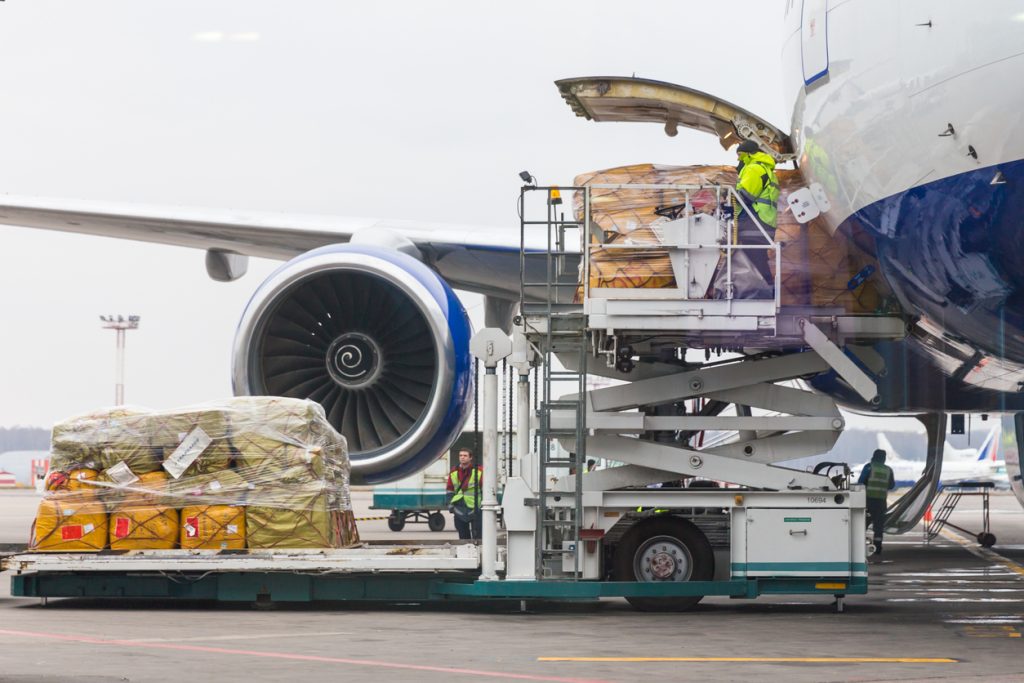
Aviation ground handling in Africa covers the services that support an aircraft, passengers, crew and cargo while an aircraft is on the ground. These operations take place between arrival and departure and involve several teams working together to keep the aircraft turnaround organised and safe.
Ground handling can include passenger services, ramp operations, baggage, cargo, aircraft cleaning, flight dispatch, load control, crew transport and other airport support services. Ground handlers operate across several African aviation markets, including Nigeria, Ghana, Kenya, Tanzania and other countries. (aviationhandlingservices.com)
What Is Aviation Ground Handling?
Ground handling is the collection of airport services required to prepare an aircraft for its next movement.
A typical turnaround can involve:
- Aircraft marshalling
- Passenger boarding and disembarkation
- Baggage loading and unloading
- Cargo handling
- Aircraft cleaning
- Catering coordination
- Water and lavatory servicing
- Ground power
- Pushback and towing
- Flight dispatch
- Weight and balance
- Crew transportation
The exact services available depend on the airport, aircraft type, operator and ground-handling company.
Passenger Ground Handling
Passenger handling starts before passengers reach the aircraft.
Ground teams may assist with check-in, boarding, arrival processing, baggage issues and passenger transfers. For charter and executive flights, the operation may also involve meet-and-greet services, VIP handling and lounge coordination.
The aim is to move passengers through the airport efficiently while keeping the aircraft turnaround on schedule.
Ramp Handling
Ramp handling takes place around the aircraft.
Ground teams may coordinate aircraft marshalling, baggage and cargo loading, equipment positioning, pushback, towing and other airside activities.
Because aircraft, vehicles, ground support equipment and personnel operate in the same area, strict procedures are required during ramp operations.
Baggage Handling
Baggage handling involves moving passenger luggage between the terminal and aircraft.
This can include sorting, transporting, loading and unloading baggage. Interline baggage may also require additional coordination when passengers are connecting between flights.
Incorrect loading or delays in baggage handling can affect the aircraft’s departure time, making accurate coordination an important part of the turnaround.
Cargo Ground Handling
Air cargo requires its own handling process.
Ground-handling teams can support cargo documentation, warehouse activities, loading and unloading, and the movement of freight between aircraft and cargo facilities.
For businesses moving goods across African markets, cargo handling is an important link between air transport and the wider logistics chain.
Flight Dispatch and Load Control
Flight operations teams can support the aircraft turnaround by coordinating operational information and load control.
Load control involves considering the distribution of passengers, baggage, cargo and fuel so that the aircraft’s weight and balance requirements are properly managed.
Ground-handling providers may also support flight dispatch and operational coordination as part of their services. (aviationhandlingservices.com)
Aircraft Cleaning and Cabin Services
Aircraft cleaning is normally completed during the turnaround or at other scheduled points.
Depending on the operation, services can include cabin cleaning, cockpit cleaning, waste removal and other preparation needed before the next flight.
Quick coordination is important because cleaning teams may need to work while other ground teams are completing their own tasks.
Aircraft Ground Support Equipment
Ground support equipment, commonly called GSE, helps teams perform essential airport operations.
Equipment can include:
- Baggage carts
- Cargo loaders
- Ground power units
- Passenger stairs
- Pushback tractors
- Tugs
- Water service equipment
- Lavatory service equipment
- Aircraft cleaning equipment
The type and quantity of equipment required depends on the aircraft and airport operation.
Executive and Private Aviation Handling
Ground handling is not limited to scheduled commercial airlines.
Private jets, charter aircraft and executive aviation operations may require passenger handling, aircraft parking, crew transportation, catering, cleaning, fuelling coordination and VIP services.
African ground-handling providers operate dedicated executive aviation services at selected airports, although availability differs between locations. (aviationhandlingservices.com)
Ground Handling Across African Airports
Ground-handling requirements differ from one African airport to another.
For example, a provider may offer passenger, cargo and ramp handling at one station while offering a different combination of services at another. Current operators have ground-handling networks covering airports in countries such as Nigeria, Ghana, Benin, Tanzania and Equatorial Guinea. (aviationhandlingservices.com)
This makes advance coordination important when arranging support for an aircraft travelling across multiple African destinations.
Aviation Ground Handling in Nigeria
Nigeria has a significant aviation and cargo-handling market, with ground handlers providing passenger, cargo, ramp and other airport services.
Ground-handling operations are available at major aviation locations including Lagos and Abuja, while other providers operate across additional Nigerian airports and aviation facilities. (nahcoaviance.com)
For an airline, charter operator or aviation logistics company, the required services should be confirmed with the relevant airport handler before the aircraft arrives.
What to Confirm Before Booking Ground Handling
Before arranging aviation ground handling in Africa, provide as much operational information as possible.
Important details include:
- Arrival airport
- Departure airport
- Arrival date and time
- Aircraft type
- Registration
- Number of passengers
- Crew numbers
- Baggage quantity
- Cargo requirements
- Fuelling requirements
- Catering requirements
- Cleaning requirements
- Parking requirements
- Passenger or VIP services
- Crew transportation
- Special handling requirements
Having this information available makes it easier for the ground-handling team to prepare the appropriate equipment and personnel.
Why Turnaround Coordination Matters
An aircraft turnaround involves multiple activities happening within a limited period.
Baggage teams, passenger staff, cleaning crews, cargo personnel, dispatch teams and ramp staff may all need to complete their work before departure.
A delay in one operation can affect another, which is why communication between the airline, airport, ground handler and other service providers is essential.
Aviation Ground Handling and Logistics
Ground handling is only one part of an aircraft’s wider logistics operation.
Passengers may need airport transfers, crew may require hotel transportation, cargo may need onward road delivery and aircraft operators may need additional support before or after the flight.
Travo.ng can support relevant travel, airport transfer, transport coordination and logistics requirements around journeys in Nigeria and across Africa, while specialist aviation ground-handling requirements should be arranged with appropriately authorised airport service providers.
