


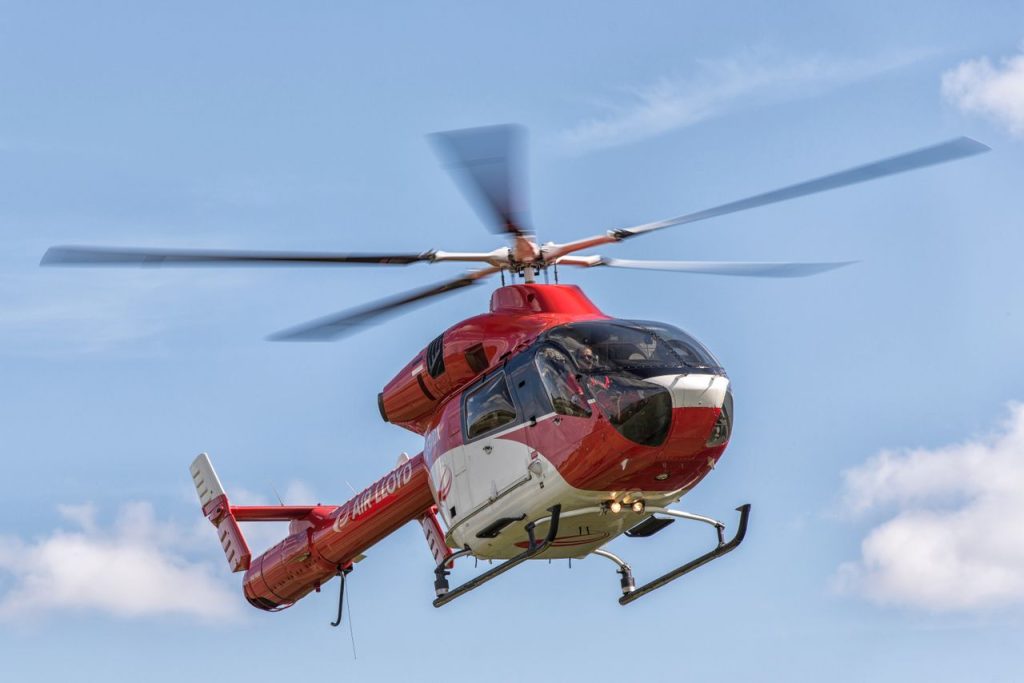
Flooding, communal displacement, disease outbreaks and other emergencies can cut communities off from normal road transport. When damaged bridges, unsafe routes or long distances make trucks too slow, airlift relief supplies Nigeria services can help move essential items to affected areas within a shorter timeframe.
Airlifting is particularly useful for urgent medical supplies, water purification materials, emergency food, communication equipment and lightweight rescue tools. However, sending humanitarian cargo by air requires more than taking boxes to an airport. The shipment must be properly documented, packed, weighed and coordinated with the receiving team.
Travo.ng helps organisations arrange cargo movement, airport handling, vehicle support and final delivery for time-sensitive relief operations across Nigeria.
When Road Delivery Is No Longer Fast Enough
Road transport remains the practical choice for large volumes of relief materials, but it may not work when the destination is isolated or the items are urgently needed.
Air transport may be considered when:
- Floodwater has blocked access roads
- A bridge has collapsed or become unsafe
- Medical supplies are required within hours
- A remote community is difficult to reach by truck
- Security concerns make a particular road unsuitable
- Relief workers need equipment before ground convoys arrive
For example, supplies moving from Lagos to Maiduguri by road may require several days, depending on the route and operating conditions. Air cargo can reduce the main transport time, although the shipment will still need road vehicles at both the departure and destination airports.
What Can Be Sent by Air During an Emergency
Relief cargo should be selected according to urgency, weight and the needs reported by teams on the ground. Aircraft space is limited and expensive, so priority should go to items that cannot wait for a slower delivery method.
Common airlifted supplies include:
- Medicines and first-aid materials
- Water treatment tablets
- Diagnostic and laboratory items
- Ready-to-eat food
- Blankets and emergency clothing
- Satellite phones and radios
- Portable lighting equipment
- Hygiene and sanitation kits
- Small generators and power equipment
Bulky goods such as large water tanks, building materials and high-volume food stocks may be more economical by truck. In many operations, air freight handles the most urgent items while larger ground shipments follow.
Packaging Must Match Air Cargo Requirements
Poor packaging can cause rejection at the airport or damage during loading. Each carton should be strong enough to withstand stacking and handling at several points.
Liquids must be tightly sealed, while medicines may require insulated packaging and temperature monitoring. Batteries, fuel-powered equipment and certain chemicals may be classified as dangerous goods and must not be shipped without proper declaration.
Every package should display:
- The sender’s details
- The receiving organisation
- The destination airport
- The contents and quantity
- Handling instructions
- A clear relief shipment reference
Avoid mixing unrelated goods in one unmarked carton. A receiving team working under pressure should be able to identify and distribute the supplies quickly.
Airport Arrival Is Not the End of the Delivery
One of the most common planning mistakes is concentrating only on the flight. Relief supplies can still remain at the destination airport for hours if no vehicle, receiver or clearance arrangement is ready.
Before dispatch, confirm who will collect the shipment and how it will reach the affected community. A delivery arriving at Abuja, Kano, Yola or Port Harcourt airport may need a van, pickup truck or larger cargo vehicle for the final journey.
If the destination remains inaccessible by road, the last stage may require a boat, smaller aircraft or coordinated collection from a safer distribution point.
Travo.ng can support airport pickup, vehicle hire, cargo delivery and transport coordination so that supplies do not stop moving after landing.
Information Needed to Plan the Airlift
The logistics coordinator should receive complete shipment details as early as possible. This includes the total weight, number of packages, dimensions and exact nature of the contents.
The required delivery deadline must also be realistic. A same-day flight may not be available on every route, and airport acceptance times can affect when cargo departs.
Organisations should provide:
- Departure and destination cities
- Total cargo weight and dimensions
- Full contents of every package
- Required delivery date
- Receiver’s contact information
- Temperature or handling needs
- Final delivery location
Accurate information makes it easier to select a suitable flight and avoid unexpected charges.
Coordinate Emergency Air Cargo With Travo.ng
Reliable airlift relief supplies Nigeria support depends on careful planning from the collection point to the final community. Flights may cover the longest distance quickly, but packaging, airport handling and onward delivery are equally important.
Travo.ng helps charities, businesses, government teams and private organisations coordinate air cargo, courier services, vehicle hire and last-mile relief delivery across Nigeria.
By managing each stage together, urgent food, medicine and emergency equipment can reach the people who need them without unnecessary airport delays or disconnected transport arrangements.
