


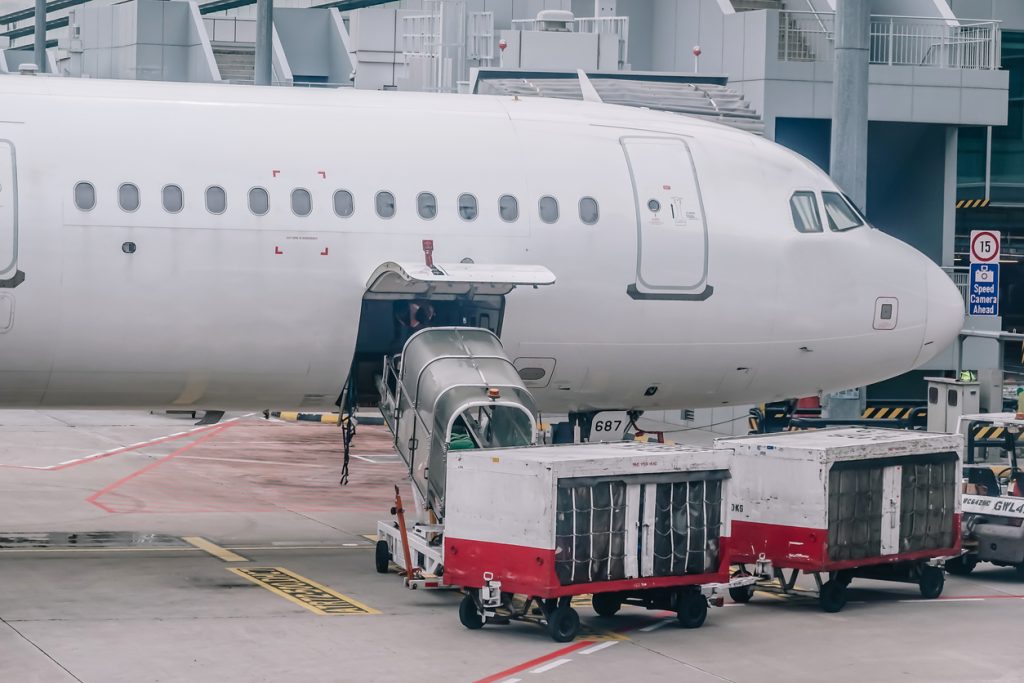
Airport logistics operations in Africa involve the movement and coordination of passengers, baggage, cargo, aircraft supplies, equipment and other resources through an airport.
The process extends from activities on the airport’s landside to what happens around the aircraft on the ramp. Cargo may arrive by truck, pass through a warehouse and customs process, and then move to an aircraft. Passenger baggage follows its own chain from check-in and screening to sorting, loading and delivery at the destination.
Aircraft also depend on logistics operations for ground support equipment, catering, cleaning, fuelling, maintenance supplies and other services.
Because so many activities happen simultaneously, airport logistics requires coordination between airlines, airports, ground handlers, freight forwarders, customs authorities, security agencies and transport companies.
IATA identifies standardisation, safety and operational efficiency as central priorities for ground operations, while its operational standards cover areas including aircraft handling, passenger services, cargo, baggage and ground support equipment. (IATA)
What Airport Logistics Operations Include
Airport logistics is a broad field. Depending on the airport, operations can include:
- Air cargo acceptance and handling
- Cargo warehousing
- Baggage handling
- Aircraft loading and unloading
- Ground transportation
- Ground support equipment management
- Aircraft servicing
- Customs coordination
- Freight forwarding
- Cold-chain logistics
- Passenger movement
- Aviation fuel logistics
- Aircraft spare-parts movement
- Delivery and collection services
These activities are interconnected. A cargo shipment cannot be loaded onto an aircraft until it has passed through the required acceptance and security procedures. Similarly, an aircraft turnaround cannot be completed if essential baggage, cargo or servicing activities remain unfinished.
Cargo Handling Is a Major Part of Airport Logistics
Cargo operations are one of the most important components of airport logistics.
Cargo usually enters an airport through a truck or freight forwarder before being checked, documented, screened and processed inside a cargo facility. It may then be stored temporarily before being prepared for loading.
At the destination, the process is reversed. Cargo is unloaded, transferred to the appropriate facility, cleared where necessary and collected for onward delivery.
IATA describes cargo operations as a central part of the air cargo supply chain and highlights warehouse efficiency, cargo acceptance, handling and safe ULD operations as important elements. (IATA)
For African airports, cargo infrastructure remains a significant issue. AFRAA identifies inadequate infrastructure for cargo processing, storage and movement, cumbersome customs procedures and the need for stronger training and digital freight systems among the challenges facing African air cargo. (Afraa)
Baggage Logistics Requires Precise Coordination
Passenger baggage moves through several stages before reaching an aircraft.
A typical process involves:
- Passenger check-in
- Baggage acceptance
- Security screening
- Sorting
- Transfer to the aircraft stand
- Loading
- Unloading at the destination
- Transfer or collection
A problem at any stage can result in delayed or misdirected baggage.
At larger airports, automated baggage systems can reduce manual processing, but the equipment still requires maintenance, monitoring and trained personnel.
Standardised baggage and ground handling procedures can also make it easier for different airlines and service providers to work within the same airport environment. IATA’s ground operations standards specifically cover baggage and passenger handling alongside aircraft and cargo operations. (IATA)
Aircraft Turnaround Depends on Logistics
Airport logistics operations are closely connected to aircraft turnaround.
When an aircraft arrives, several activities may happen at the same time. Baggage and cargo are unloaded, passengers leave the aircraft, cleaning begins, catering and other servicing take place, and the next load of passengers and cargo is prepared.
Ground support equipment must be available, and the different teams need to coordinate their work.
IATA notes that safe, secure and on-time turnarounds are a priority for airlines and ground handling providers. It also promotes standardised procedures to reduce operational complexity and improve efficiency. (IATA)
For African airports, delays can arise when staffing, equipment, infrastructure or communication systems are insufficient to support the planned turnaround.
Warehousing Connects Air Cargo With the Wider Supply Chain
Airport warehouses provide temporary storage and processing space for goods moving through the airport.
Different shipments may require different facilities. General cargo can use conventional storage, while pharmaceuticals, fresh produce and other temperature-sensitive products require appropriate cold-chain arrangements.
Warehouse operations can include:
- Cargo receiving
- Shipment inspection
- Storage
- Order preparation
- Security screening
- ULD preparation
- Customs inspection
- Cargo release
- Truck loading
AFRAA has identified inadequate cargo processing and storage infrastructure as a challenge for African airports, while also highlighting the need to develop cold cargo facilities for growing exports of perishables. (Afraa)
Ground Support Equipment Keeps Operations Moving
Ground support equipment, or GSE, provides the physical support required to move passengers, baggage, cargo and aircraft around the airport.
Common equipment includes:
- Baggage tractors
- Belt loaders
- Pushback tractors
- Cargo loaders
- Passenger stairs
- Ground power units
- Catering vehicles
- Water and lavatory service vehicles
Equipment availability matters because a missing or defective piece of GSE can delay an otherwise ready aircraft.
Airports and ground handlers therefore need systems for equipment allocation, maintenance, storage and replacement.
Customs and Documentation Can Create Bottlenecks
International cargo cannot move through an airport without completing the required regulatory procedures.
Depending on the shipment, documentation can include airway bills, commercial invoices, customs declarations, permits and other supporting records.
If information is incomplete or customs processing takes too long, cargo can remain in an airport facility and occupy valuable storage capacity.
AFRAA has identified cumbersome customs clearance procedures as one of the obstacles to stronger African air cargo development and has supported greater use of e-freight and e-customs systems. (Afraa)
Digital documentation can help reduce paperwork and improve information sharing between airlines, freight forwarders, customs authorities and other stakeholders.
Road Transport Is Part of Airport Logistics
An airport does not operate independently of the road network.
Cargo needs to reach the airport before departure and leave the airport after arrival. Passengers and aviation personnel also require transportation between airports, hotels, offices, warehouses and other locations.
This means airport logistics planning should consider:
- Airport access roads
- Truck availability
- Delivery scheduling
- Traffic conditions
- Parking and loading areas
- Last-mile distribution
- Intercity transportation
A cargo terminal can operate efficiently internally but still experience delays if trucks cannot reach it reliably.
Digital Technology Is Improving Airport Operations
Digital systems can give airport stakeholders better visibility over logistics activities.
Potential applications include:
- Cargo tracking
- Baggage tracking
- GSE monitoring
- Warehouse management
- Vehicle tracking
- Digital documentation
- Staff scheduling
- Aircraft turnaround monitoring
- Inventory management
IATA’s Operational Portal provides airlines and ground handling providers with access to operational standards and tools for self-assessment and information exchange. The organisation is also promoting greater standardisation and digitalisation of ground operations. (IATA)
For African airports, digitalisation can help reduce reliance on disconnected manual processes and improve communication between different organisations.
Infrastructure Still Shapes Airport Logistics Performance
Airport logistics depends on the quality and capacity of the facilities supporting it.
These can include:
- Cargo terminals
- Warehouses
- Aircraft stands
- Aprons
- Baggage systems
- Service roads
- GSE maintenance areas
- Cold-storage facilities
- Customs inspection areas
- Passenger processing facilities
AFRAA reports that infrastructure and passenger and cargo handling facilities vary widely across African airports, with some facilities described as inadequate, ageing or limited. (Afraa)
Infrastructure investment therefore needs to consider the entire logistics chain rather than only passenger terminal expansion.
Workforce and Training Are Essential
Airport logistics is highly dependent on trained personnel.
Cargo handlers, baggage teams, equipment operators, ramp agents, warehouse workers, load controllers, supervisors and other employees each have different responsibilities.
Staff need to understand safety procedures, equipment operation, documentation requirements and communication protocols.
IATA says standardisation can improve training quality and personnel competency while reducing operational complexity. (IATA)
For African airports, investing in workforce development can therefore complement investment in infrastructure and technology.
How Travo.ng Can Support Airport Logistics Operations
Travo.ng is not an airport operator, cargo terminal or specialist ground handling company. Its role is to support the wider travel and logistics requirements connected to airport operations.
For businesses, aviation teams and travellers moving through Nigerian airports, Travo.ng can assist with travel bookings, airport transfers, hotel reservations and vehicle hire. Where appropriate, delivery and transportation coordination can also support the movement of goods outside the airport environment.
For example, an aviation company sending personnel from Lagos to Abuja for an airport logistics project may need flights, accommodation and local transportation arranged together. Travo.ng can support these travel requirements while specialist airport operators handle cargo, ramp and aircraft activities.
This gives Travo.ng a role in the wider movement of people and goods surrounding airport operations rather than in the technical management of airport infrastructure.
Improving Airport Logistics Operations in Africa
Improving airport logistics requires coordination rather than isolated improvements.
Airports and their partners can focus on:
- Modernising cargo and baggage facilities
- Improving GSE availability and maintenance
- Expanding cold-chain capacity
- Digitising cargo documentation
- Improving customs coordination
- Training ground and logistics personnel
- Improving airport road connections
- Tracking cargo and equipment digitally
- Standardising ground handling procedures
- Monitoring turnaround and cargo performance
The challenges are not identical across Africa. A major international hub may need to address congestion and capacity, while a smaller regional airport may first need better cargo facilities, equipment or trained personnel.
The Future of Airport Logistics Operations
Africa’s airport logistics sector will need to become increasingly connected as passenger movements, cargo volumes and regional trade develop.
The strongest logistics systems will link the airport with warehouses, roads, customs authorities, airlines, freight forwarders and final delivery networks.
Modern infrastructure is important, but infrastructure alone is not enough. Efficient operations also require trained people, reliable equipment, standardised procedures, accurate information and strong coordination between stakeholders.
By improving these areas together, African airports can create more reliable cargo flows, smoother aircraft turnarounds and better movement of passengers and goods across the continent.
