


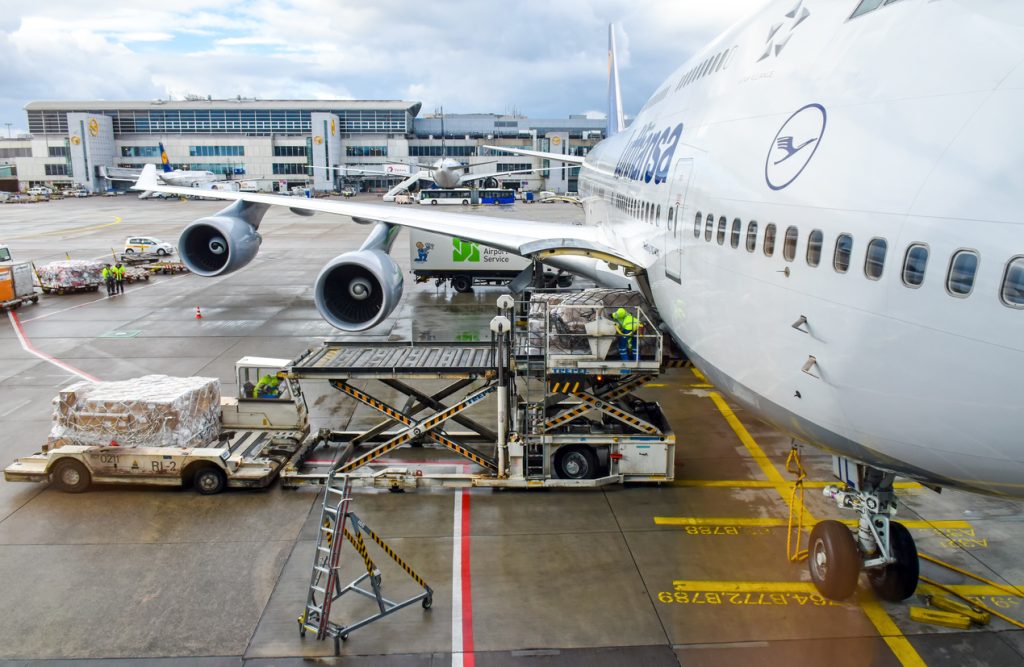
Airport logistics infrastructure in Africa covers much more than runways and passenger terminals. It includes cargo facilities, aircraft parking stands, baggage systems, ground support equipment, access roads, warehouses, fuel facilities, maintenance areas and the digital systems used to coordinate airport operations.
When this infrastructure is properly planned, airlines, ground handlers, freight companies and passengers can move through an airport with fewer delays. When it is inadequate, even a busy airport can struggle with congestion, slow cargo processing, aircraft turnaround delays and inefficient ground transportation.
What Airport Logistics Infrastructure Includes
Airport logistics infrastructure is made up of several connected areas that have to work together.
These include:
- Runways, taxiways and aircraft parking stands
- Passenger terminals and baggage handling systems
- Cargo terminals and warehouses
- Ground support equipment facilities
- Aircraft maintenance and servicing areas
- Aviation fuel storage and distribution facilities
- Airport access roads and service roads
- Parking and vehicle staging areas
- Customs and cargo inspection facilities
- Digital systems for managing airport operations
IATA notes that airport infrastructure needs to support safe, functional and affordable operations while accommodating passenger and cargo demand. Infrastructure also needs to be flexible enough to adapt as demand changes. (IATA)
Where African Airports Face Infrastructure Pressure
Different airports across Africa have different challenges, but logistics pressure often appears when facilities do not expand at the same pace as passenger, aircraft or cargo activity.
A terminal may have enough passenger space but inadequate baggage-processing capacity. An airport may have a modern runway but limited aircraft parking positions. A cargo terminal may operate efficiently inside the airport while poor road connections make cargo movement slow after collection.
This means airport infrastructure has to be considered as one connected logistics network rather than as individual buildings.
Cargo Terminals and Airport Warehousing
Cargo infrastructure is particularly important as African air freight continues to develop.
Cargo airports and major passenger airports need suitable warehouses, cargo handling areas, cold storage where required, inspection zones, loading areas and roads that allow trucks to move efficiently between the terminal and surrounding logistics facilities.
Poor warehouse capacity can result in cargo waiting longer than necessary, while limited truck access can create congestion around cargo terminals.
Cargo infrastructure also needs to accommodate different types of shipments, including general freight, express deliveries, perishables, pharmaceuticals and other time-sensitive goods.
Ground Support Equipment Infrastructure
Ground support equipment is essential for aircraft servicing and turnaround operations. This includes baggage tractors, belt loaders, passenger stairs, aircraft pushback equipment, ground power units and other equipment used around aircraft.
However, having GSE available is only part of the requirement. Airports also need suitable storage, maintenance areas, charging infrastructure and safe movement routes for the equipment.
This is becoming more important as airports and ground handlers consider electric GSE. IATA notes that moving towards electric equipment requires changes to airport infrastructure, including charging and operational arrangements. (IATA)
Airport Roads and Landside Logistics
Airport logistics does not stop at the airside boundary.
Road access is critical for moving passengers, baggage, cargo, fuel, catering supplies, maintenance materials and other goods between the airport and surrounding cities.
For example, congestion around Lagos can affect the timing of airport pickups and cargo collections even when airport operations themselves are running normally. Similar issues can occur around other major African aviation hubs when road capacity does not match traffic volumes.
Dedicated service roads, properly managed vehicle access and suitable truck staging areas can make a significant difference to airport logistics.
Aircraft Stands, Aprons and Turnaround Areas
Aircraft need enough parking stands and properly designed apron areas to support efficient ground operations.
Limited stands can create scheduling problems when several aircraft arrive around the same period. Poor apron layouts can also increase the distance that baggage, catering, fuel and ground teams have to travel.
The result can be longer turnaround times and additional pressure on ground handling teams.
Airport development therefore needs to consider not only how many aircraft can land, but also how efficiently those aircraft can be parked, serviced, loaded and dispatched.
Fuel, Maintenance and Support Facilities
Fuel infrastructure is another important part of airport logistics.
Airports require reliable fuel storage, distribution systems and suitable access for fuel service vehicles. Maintenance facilities, catering areas, aircraft cleaning facilities and other operational support infrastructure also need to be positioned so that they can serve aircraft efficiently without interfering with other airport movements.
IATA airport planning guidance identifies fuel facilities, maintenance, catering, cargo terminals and airside vehicle access as important elements of airport support infrastructure. (IATA)
Digital Infrastructure Is Becoming Just as Important
Modern airport logistics increasingly depends on digital infrastructure.
Airport operators, airlines, ground handlers, cargo companies and other stakeholders need accurate information about aircraft movements, baggage, cargo, equipment and available resources.
Disconnected systems and excessive manual processes can slow down ground operations. IATA has identified fragmented data and delayed information as barriers to efficient ground handling. (IATA)
Better digital coordination can help different teams prepare for aircraft arrivals, manage resources and respond to operational disruptions more quickly.
Building Airport Infrastructure Around Future Demand
African airports need infrastructure that can handle current operations while allowing room for future growth.
Simply adding terminal space may not solve a logistics problem if the airport still has insufficient cargo facilities, parking stands, service roads or ground equipment capacity.
Airport planning therefore needs to consider passenger growth, aircraft movements, cargo volumes, road access, technology, environmental requirements and the changing needs of airlines and logistics companies.
This is especially relevant as air cargo activity develops across African markets. IATA reported that African air cargo demand increased strongly at the start of 2026, highlighting the importance of infrastructure capable of supporting growing cargo flows. (IATA)
How Travo.ng Can Support Airport Logistics Around Africa
Travo.ng can support the wider travel and logistics requirements that surround airport operations, even though it is not an airport infrastructure developer or specialist ground handling company.
For businesses moving people or goods through airports, Travo.ng can help coordinate services such as airport transfers, travel bookings, hotel reservations, vehicle hire, delivery and cargo logistics, and transportation arrangements.
For example, a company bringing staff into Lagos for an airport-related project may need airport pickup, accommodation and local transportation. A business sending equipment or documents between cities may also require coordinated delivery alongside its travel arrangements.
By handling these wider transportation and travel requirements, Travo.ng can help businesses and travellers manage the movement that takes place before and after airport operations.
Making Airport Logistics Infrastructure More Efficient
Better airport logistics infrastructure requires coordination between airport authorities, airlines, ground handlers, cargo operators, government agencies and transport providers.
The priority should not simply be building larger facilities. Infrastructure needs to solve actual operational bottlenecks.
For African airports, this can mean expanding cargo capacity where demand requires it, improving road access, providing adequate aircraft stands, modernising baggage systems, maintaining reliable GSE, strengthening fuel and maintenance facilities, and connecting operational systems digitally.
When these elements work together, airports can handle aircraft, passengers and cargo more efficiently while reducing the delays that often occur when one part of the logistics chain cannot keep up with the rest.
