


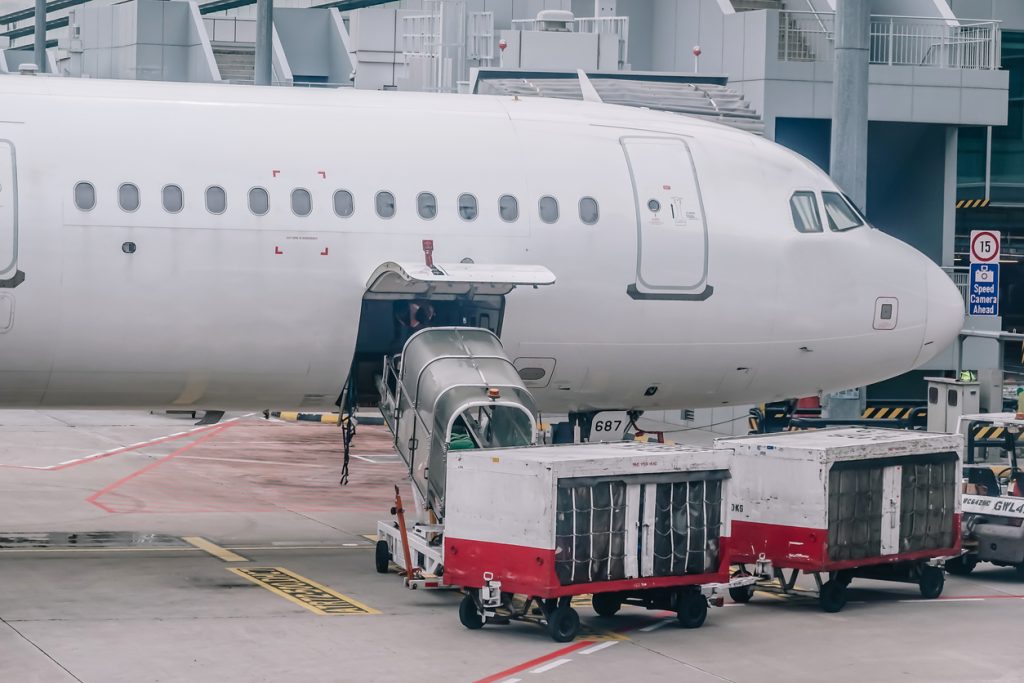
Airport ground support in West Africa covers the services that keep aircraft, passengers and cargo moving safely while an aircraft is on the ground. It includes ramp operations, baggage handling, cargo handling, ground support equipment, passenger services, aircraft servicing and other activities required before an aircraft can depart.
Airports such as those in Lagos, Accra, Abidjan, Dakar, Abuja and other regional centres depend on coordinated ground support to manage domestic, regional and international flights.
What Airport Ground Support Includes
Ground support involves many activities taking place around an aircraft at the same time.
Common services include:
- Aircraft marshalling and parking
- Pushback and towing
- Baggage loading and unloading
- Cargo handling
- Passenger boarding support
- Ground power
- Aircraft cleaning
- Water and lavatory servicing
- Load control and weight and balance
- Ground transportation
- Flight dispatch support
- Catering coordination
- Ground support equipment management
Ground handlers in the region commonly combine ramp, passenger and cargo operations. In Ghana, for example, Aviance Ghana provides passenger, ramp, cargo and aircraft turnaround coordination services, while Nigerian operators such as NAHCO provide aircraft, passenger and cargo handling at multiple airports. (Aviance Ghana)
Ramp Operations Around the Aircraft
Ramp operations are among the most time-sensitive parts of airport ground support.
After an aircraft parks, ramp teams may coordinate baggage and cargo unloading, aircraft servicing, equipment positioning and passenger movement. Before departure, these activities are reversed or completed in preparation for pushback.
Aircraft handling providers in Nigeria list services such as baggage and cargo loading, load control, aircraft cleaning, GSE utilisation and aircraft movement control as part of ramp operations. (Nahco Aviance)
Because several vehicles and teams may operate around the aircraft simultaneously, communication and adherence to safety procedures are essential.
Ground Support Equipment Availability
Ground support equipment, commonly known as GSE, provides the physical equipment required to service an aircraft.
Depending on the aircraft and airport, this can include:
- Aircraft tugs
- Belt loaders
- Main-deck or high loaders
- Baggage tractors and carts
- Ground power units
- Air starter units
- Passenger stairs
- Water bowsers
- Lavatory service equipment
Equipment shortages or mechanical failures can quickly affect an aircraft turnaround. NAHCO, for example, identifies equipment such as air starter units, ground power units, main-deck loaders, high loaders, dollies and aircraft steps among its ramp equipment. (Nahco Aviance)
Maintaining equipment and positioning it correctly before it is needed can therefore be just as important as having enough personnel.
Passenger and Baggage Support
Passenger handling begins at the terminal and continues through boarding and aircraft departure.
Ground teams may assist with check-in, boarding, baggage tagging, transfer passengers and passengers requiring additional assistance. Baggage teams then coordinate the movement of luggage between the terminal, aircraft and connecting flights.
NAHCO’s passenger handling operations include check-in and boarding functions, baggage services and systems for tracking and reconciling baggage movement. (Nahco Aviance)
A problem with baggage reconciliation or a late transfer bag can delay an aircraft even when other turnaround activities are already complete.
Cargo Ground Support
West African airports also support growing air cargo movements involving commercial freight, courier shipments, perishables and other time-sensitive goods.
Cargo ground support can involve receiving freight, screening, warehousing, documentation, loading and unloading, customs coordination and transportation between the cargo terminal and aircraft.
In Lagos, for example, Landover provides cargo flight logistics and coordinates ground handling for inbound and outbound cargo aircraft at Nigerian airports. (Landover)
Cargo requirements can vary considerably. Perishables, dangerous goods, valuables and oversized shipments may require specialised procedures, storage or equipment.
Aircraft Servicing During Turnaround
Aircraft servicing normally takes place alongside other turnaround activities.
Depending on the operation, ground teams may coordinate cleaning, catering, potable water, lavatory servicing, ground power and other technical or cabin-support requirements.
The challenge is to complete these activities within the available turnaround window without creating safety conflicts between vehicles, equipment and personnel.
Good coordination between the airline, ground handler, fuel provider, catering company and airport operator helps keep the process organised.
Ground Support Challenges Across West Africa
Airport ground operations across the region can be affected by several practical challenges.
These include:
- Limited or ageing ground equipment
- Equipment breakdowns
- Delayed baggage or cargo
- Airport congestion
- Tight turnaround schedules
- Communication gaps between service providers
- Cargo documentation problems
- Customs and security procedures
- Traffic affecting airport logistics
- Limited availability of specialised handling equipment
The operating environment also differs between airports. A ground support arrangement that works well at a major hub may need to be adapted for a smaller airport with different equipment, infrastructure and staffing levels.
Coordinating Ground Support Across Multiple Airports
Airlines and aviation operators flying across West Africa may need ground support at several airports during the same operation.
For example, an aircraft could operate through Lagos, Accra, Abidjan and another regional destination, requiring local coordination at each station.
Ground handling networks and local partners can help operators arrange services across different airports. Aviation Handling Services lists ground and passenger handling, cargo handling, operations and related services across several West African locations, including Ghana, Benin and Nigeria. (Aviation Handling Services)
Advance coordination is particularly important for charter flights, cargo aircraft, private aviation and operations requiring specialised equipment.
Improving Airport Ground Support
Improving ground support is not simply about adding more staff. Airports and handlers also need reliable equipment, clear procedures, accurate operational information and effective communication between teams.
Digital tracking can help monitor baggage and cargo, while better equipment maintenance can reduce unexpected breakdowns. Standardised procedures and regular staff training are also important for maintaining safe and consistent operations.
The objective is to have the right personnel, equipment and information available at the aircraft when they are needed.
How Travo.ng Supports Wider Airport Logistics
Airport ground handling is a specialist aviation function, but it forms part of a much larger travel and logistics chain.
Travo.ng can support related requirements such as airport transfers, travel bookings, hotel reservations, vehicle hire and transportation coordination where applicable.
For businesses and travellers moving through West Africa, coordinating airport transportation with the wider journey can make the movement of passengers, employees and goods easier to manage.
Efficient airport ground support ultimately depends on many separate activities working together. When ramp teams, passenger services, cargo handlers, equipment operators and transport providers are properly coordinated, aircraft can complete their ground operations more efficiently and continue their journeys with fewer avoidable disruptions.
