


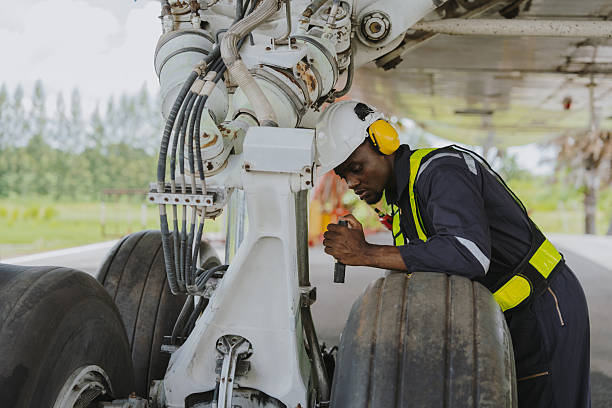
Airport equipment shortages are an important operational challenge across parts of Africa. Airports and ground handling companies depend on specialised equipment to move passengers, baggage and cargo, service aircraft and keep flights operating on schedule.
When equipment is unavailable, outdated or difficult to maintain, even a well-planned flight can experience delays on the ground.
What Equipment Is in Short Supply at African Airports?
Airport operations depend on many types of ground support equipment (GSE). These can include:
- Aircraft pushback tractors
- Ground power units
- Baggage tractors and conveyor loaders
- Passenger boarding stairs
- High loaders for cargo and catering
- Aircraft tugs
- Passenger buses
- Catering vehicles
- Forklifts
- Aircraft cleaning equipment
- Refuelling support equipment
- Maintenance and airfield service vehicles
The problem is not always a complete absence of equipment. In some airports, the available equipment may simply be too old, unreliable or insufficient for the number of aircraft being handled.
Why Do Airport Equipment Shortages Happen?
One major issue is the cost of purchasing and maintaining specialised aviation equipment. Much of this equipment is expensive and has to be sourced internationally, making procurement, shipping, spare parts and maintenance more difficult.
Some airports also operate with ageing infrastructure and equipment. Recent industry reporting has highlighted ageing GSE fleets, limited maintenance capacity and shortages of aircraft-compatible loading, towing and ground-power equipment at some African airports.
Power supply can create another problem. Equipment such as baggage systems, passenger facilities and ground power units needs dependable electricity to operate efficiently. Where airport power infrastructure is unreliable, operators may need alternative power arrangements, increasing operating costs.
There can also be long lead times when new equipment is ordered. A shortage may therefore continue even after an airport or handling company has already committed to replacing old equipment.
How Equipment Shortages Affect Flight Operations
The most obvious effect is ground delay.
Aircraft turnaround involves several activities happening within a limited period. Baggage has to be unloaded and loaded, passengers moved, cargo handled, aircraft serviced and the aircraft prepared for departure.
If one essential piece of equipment is unavailable, other activities may have to wait.
For example, a shortage of baggage loaders can slow baggage handling, while insufficient pushback tractors can affect aircraft departure procedures. Limited passenger buses can also become a problem when aircraft are parked away from the terminal.
These delays can become more serious during busy travel periods when several aircraft require the same equipment at the same time.
The Problem for Cargo and Logistics
Equipment shortages also affect air cargo.
Cargo operations require forklifts, high loaders, dollies, cargo conveyors, storage facilities and other handling equipment. If these resources are limited, cargo can take longer to move between aircraft, warehouses and onward transport.
For businesses moving urgent goods across African markets, delays at the airport can affect the entire delivery chain.
This is particularly important for time-sensitive shipments, including commercial supplies, spare parts, documents and other goods that depend on coordinated airport and road transportation.
Nigeria’s Airport Equipment Challenge
Nigeria also faces equipment and infrastructure gaps across parts of its aviation network. The Federal Airports Authority of Nigeria has identified shortages in some ground-handling support services, while Nigerian aviation companies have continued investing in additional ground support equipment.
This shows that equipment availability is not simply an airport issue. Airlines, ground handlers, cargo operators and logistics companies all depend on reliable equipment to keep airport operations moving.
For businesses operating through Lagos, Abuja, Port Harcourt and other Nigerian airports, planning around handling capacity can therefore be an important part of logistics management.
What Can Be Done About Equipment Shortages?
Long-term improvement requires more than simply purchasing new machines.
Airport operators and handling companies need effective maintenance programmes, access to spare parts, trained equipment operators and proper replacement schedules.
Equipment planning should also consider the types and number of aircraft using an airport. Buying equipment that is unsuitable for the aircraft being handled will not solve the operational problem.
Digital asset tracking can also help operators know where equipment is located, whether it is available and when maintenance is due.
Investment in local technical skills can reduce dependence on overseas support and make repairs faster when equipment develops a fault.
Planning Around Airport Equipment Limitations
For airlines, cargo operators and businesses moving goods across Africa, it is useful to confirm handling arrangements before a shipment or flight is scheduled.
Check:
- Which airport will handle the shipment
- Whether suitable cargo-handling equipment is available
- Whether special equipment is required
- How cargo will move after airport arrival
- Whether customs and documentation are ready
- How airport-to-destination transport will be arranged
- What contingency options exist if handling is delayed
Good coordination can reduce the impact of equipment shortages, particularly when cargo needs to continue by road after arriving at an airport.
How Travo.ng Can Support Aviation Logistics
Airport equipment is only one part of a successful aviation logistics operation. Once passengers or cargo leave the aircraft, reliable ground transportation, delivery coordination and onward logistics become equally important.
Travo.ng can support travel and logistics coordination around airport movements, including transport arrangements, airport transfers, delivery and other related travel needs.
For businesses moving people or goods across African routes, planning the complete journey from airport arrival to final destination can help reduce avoidable delays.
