


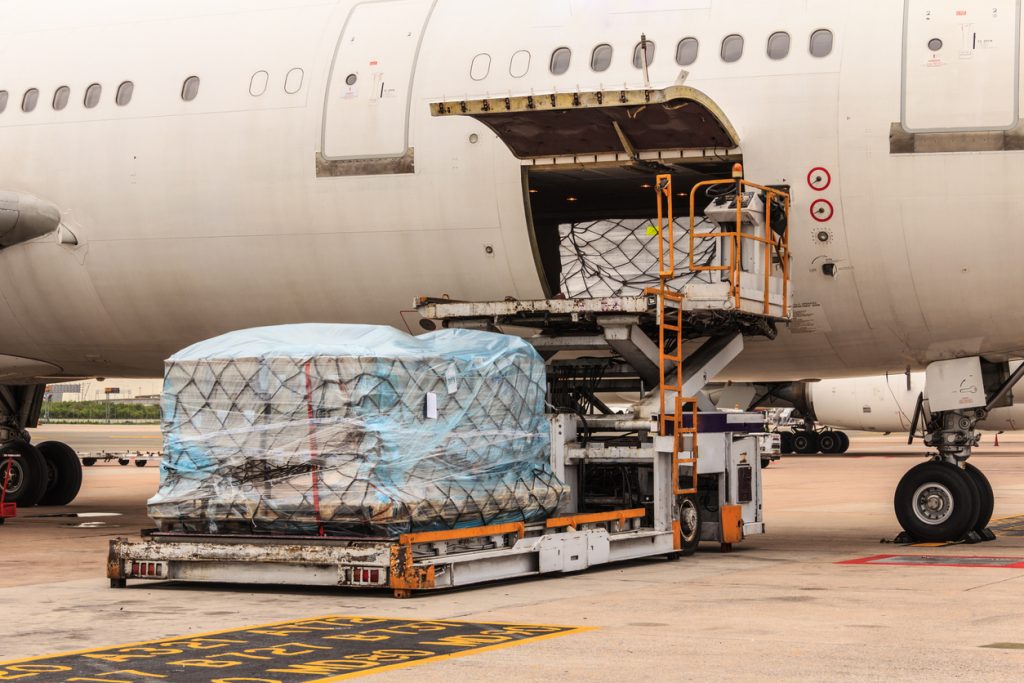
Airport cargo operations in Africa involve the movement of goods through airport cargo terminals, warehouses, customs areas, security checkpoints and aircraft. The process starts before cargo reaches the airport and continues after it is unloaded at its destination.
A typical shipment may pass through a freight forwarder, cargo terminal, customs authorities, ground handling teams, airline and final delivery provider. Each stage needs to be coordinated properly because a delay at one point can affect the entire shipment.
Air cargo remains an important part of international and regional trade, particularly for goods that need to move quickly or require controlled handling. IATA identifies cargo operations as a central part of the air cargo supply chain, covering activities from acceptance and warehouse processing through to aircraft loading and delivery. (IATA)
How Airport Cargo Operations Work
The process differs depending on the airport, airline, shipment and type of cargo, but a typical movement includes several stages.
Cargo is first delivered to the airport cargo facility by a shipper or freight forwarder. The cargo operator checks the shipment, documentation, security status and applicable handling requirements before accepting it for carriage.
After acceptance, the shipment may be stored temporarily in a warehouse before being prepared for transportation to the aircraft. Cargo handling teams then coordinate the movement to the ramp, loading and aircraft departure.
At the destination airport, the process works in reverse. Cargo is unloaded, transferred to the warehouse, processed and eventually released to the consignee or freight forwarder.
IATA’s Cargo Handling Manual covers these processes across the air cargo journey, including shipment preparation, acceptance, transfer to the carrier, loading, unloading and handover. (IATA)
Cargo Terminals Are Critical to Airport Efficiency
A cargo terminal is where much of the physical processing takes place. Its design and operating capacity can have a direct effect on how quickly shipments move through an airport.
Important facilities can include:
- Cargo acceptance areas
- General cargo warehouses
- Cold storage
- Dangerous goods areas
- Live animal facilities
- Pharmaceutical storage
- Security screening areas
- Customs inspection areas
- ULD preparation areas
- Truck loading and unloading zones
The requirements become more demanding when an airport handles pharmaceuticals, fresh produce, vaccines, live animals or other specialised shipments.
AFRAA has identified inadequate or limited passenger and cargo handling infrastructure as one of the challenges affecting ground handling standards at African airports. (Afraa)
Customs Can Affect Cargo Processing Times
Cargo does not simply arrive at an airport and go directly onto an aircraft or into a truck. International shipments must satisfy applicable customs, security and regulatory requirements.
Documentation may include airway bills, commercial invoices, packing information, permits and customs declarations, depending on the shipment.
When documentation is incomplete or authorities need additional information, cargo can remain in the airport facility longer than expected.
IATA notes that efficient air cargo border management depends on integrated, automated and risk-based border procedures. Electronic advance cargo information can also help authorities process shipments more efficiently. (IATA)
Handling Special Cargo Requires Extra Planning
Not every shipment can be treated as ordinary general cargo.
Pharmaceuticals and other healthcare products may require temperature-controlled storage. Perishable agricultural products may need fast processing to protect their quality. Dangerous goods require specific handling procedures, while live animals require appropriate facilities and welfare considerations.
This means an airport needs both the infrastructure and trained personnel to handle different categories safely.
For cargo operators, the objective is not simply to move a shipment quickly. The shipment must reach the aircraft in the correct condition and in compliance with applicable requirements.
Ground Handling Connects the Cargo Terminal to the Aircraft
Cargo operations do not end inside the warehouse.
Once cargo has been accepted and prepared, it needs to move safely from the terminal to the aircraft. Ground handling teams coordinate equipment, vehicles, loading procedures and aircraft loading requirements.
The process requires careful communication between cargo handlers, airline staff, ramp teams and other operational personnel.
Poor coordination can result in missed loading deadlines, misplaced shipments or aircraft turnaround delays.
IATA’s cargo guidance emphasises safe handling of ULDs, warehouse efficiency, cargo acceptance and the processes required to move shipments between cargo facilities and aircraft. (IATA)
African Airports Need Better Cargo Infrastructure
Cargo infrastructure varies considerably across African airports.
Some major hubs have developed specialised cargo facilities and established airline networks, while other airports face limitations in warehouse capacity, handling equipment, cold-chain facilities and supporting infrastructure.
AFRAA’s 2025 air transport reporting showed substantial differences in cargo activity between African regions and identified major cargo airports such as Addis Ababa, Johannesburg and Nairobi among important freight locations. (Afraa)
Infrastructure investment therefore needs to consider more than building larger terminals. Airports also need suitable storage, handling equipment, road access, power supply, security systems and efficient customs facilities.
Digitalisation Is Changing Airport Cargo Operations
Technology can reduce paperwork and improve visibility throughout the cargo process.
Digital cargo systems can help operators manage bookings, shipment information, warehouse activities, manifests and tracking. Electronic documentation can also reduce the dependence on physical paperwork.
IATA has identified digitalisation as a major priority for air cargo, with fragmented systems still creating duplication, delays and compliance risks. Its ONE Record initiative is designed to support standardised end-to-end cargo data sharing. (IATA)
For African airports, digitalisation can be particularly useful when multiple organisations need access to the same shipment information.
The Road Network Matters Too
An efficient cargo airport still depends on what happens outside the airport.
A shipment may spend hours travelling from a warehouse or production facility to the airport because of traffic, poor roads or inadequate transport coordination. The same problem can occur after the aircraft lands if trucks are not available to collect cargo.
For example, an exporter in Lagos may need to coordinate factory pickup, airport delivery, cargo acceptance, customs processing, air transportation and final delivery to a customer in another African market.
This makes airport cargo operations part of a wider logistics chain rather than an isolated airport activity.
How Travo.ng Can Support Airport Cargo Logistics
Travo.ng can support the wider movement requirements surrounding airport cargo operations without positioning itself as an airport cargo terminal operator or specialist ground handler.
For businesses moving goods through Nigerian airports, Travo.ng can assist with relevant logistics and delivery coordination, while its travel services can support personnel who need flights, airport transfers, accommodation or vehicle hire as part of the same business movement.
For example, a company sending staff to coordinate an urgent shipment may need flight arrangements, airport transportation and accommodation while its cargo is being processed. Coordinating these travel and logistics requirements can make the overall operation easier to manage.
Where cargo needs to move beyond the airport, delivery and transport coordination can also form part of the wider logistics process.
Improving Airport Cargo Operations in Africa
Improving cargo operations requires coordination between airports, airlines, ground handlers, freight forwarders, customs authorities and logistics providers.
Practical improvements include:
- Expanding cargo warehouse capacity
- Improving cold-chain facilities
- Modernising cargo handling equipment
- Increasing digital documentation
- Improving customs coordination
- Training cargo and ground handling personnel
- Improving cargo security
- Developing better airport road connections
- Using real-time shipment information
- Establishing clearer operating procedures
Africa’s air cargo market also needs stronger two-way cargo flows. AFRAA reported in January 2026 that structural trade imbalances and limited export diversification were affecting outbound air cargo in some African markets, highlighting the importance of developing stronger export logistics alongside import capacity. (Afraa)
Efficient airport cargo operations ultimately depend on the entire chain working together. Better terminals, trained personnel, digital systems, efficient customs procedures and reliable transportation can help African airports handle cargo more safely and predictably while supporting regional and international trade.
