


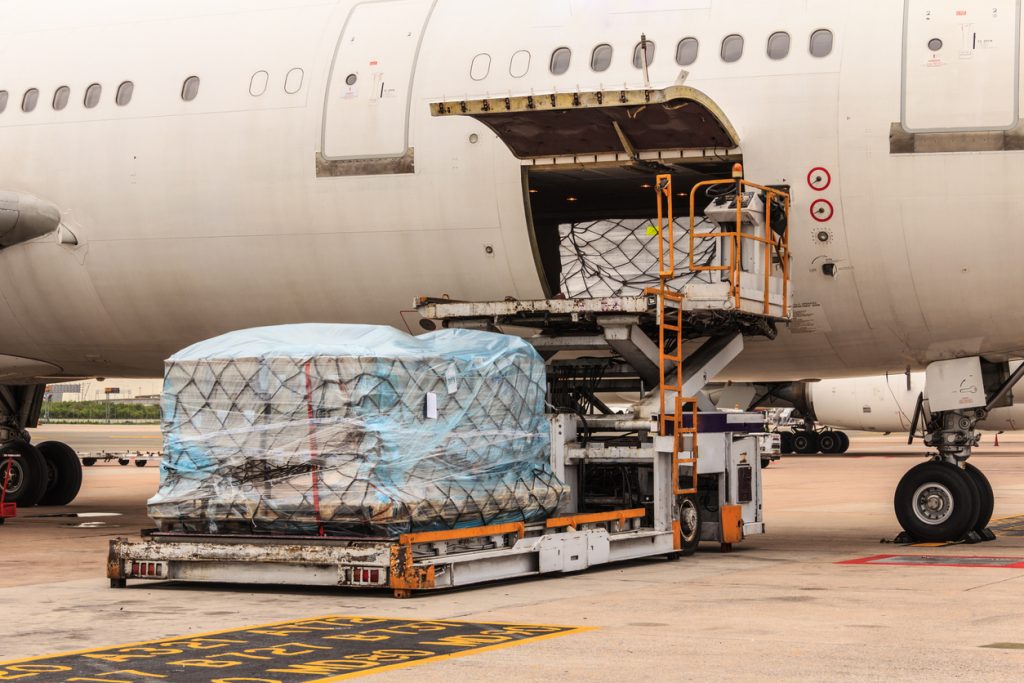
Airport cargo logistics services are an important part of moving goods across Africa and connecting African businesses with international markets. From the moment cargo reaches an airport to the point where it is loaded onto an aircraft, transferred to another flight or delivered to the final customer, several logistics processes have to work together.
Air cargo handling involves much more than moving boxes between a warehouse and an aircraft. Shipments may require acceptance checks, documentation, security screening, storage, customs processing, special handling and onward transportation. IATA describes cargo operations as a central part of the air cargo supply chain, with standardised processes covering the movement of cargo from origin through to destination. (IATA)
What Airport Cargo Logistics Services Include
Airport cargo logistics can cover different stages depending on the shipment and destination.
Typical services include:
- Air freight coordination
- Cargo collection and airport delivery
- Export and import documentation
- Cargo acceptance and handling
- Warehousing and temporary storage
- Customs clearance coordination
- Cargo consolidation
- Special cargo handling
- Perishable goods logistics
- Dangerous goods handling
- Cargo tracking
- ULD preparation and movement
- Inland transportation
- Final-mile delivery
The exact requirements depend on the type of cargo, airline, destination country and applicable regulations.
Moving Cargo From the Supplier to the Airport
Airport logistics normally starts before the shipment reaches the cargo terminal.
A logistics provider may arrange collection from a factory, warehouse, office or supplier and transport the goods to the airport within the required acceptance window.
This timing matters because arriving at the airport does not automatically mean the cargo can be loaded onto the next flight. Documentation, security checks, cargo acceptance and handling procedures must be completed first.
For time-sensitive shipments, transport planning should therefore be based around the airline’s cargo cut-off time rather than simply the scheduled departure time.
Airport Cargo Warehousing
Cargo may need to remain at the airport before or after an international flight.
Warehousing provides space for shipments awaiting documentation, customs processing, onward transportation or their next flight. Different types of cargo may also require different storage conditions.
For example, pharmaceuticals, food products and other temperature-sensitive goods may require controlled storage, while valuable or dangerous goods require specialised security and handling arrangements.
At Lagos’ Murtala Muhammed International Airport, cargo-handling facilities include specialised storage for perishables, dangerous goods and valuables, demonstrating how airport warehouses can support different cargo requirements. (Nigerian Aviation Handling Company)
Customs and Cargo Documentation
Documentation is one of the areas where cargo shipments can experience delays.
Depending on the shipment, documentation may include commercial invoices, packing lists, airway bills, permits, certificates and customs declarations.
Import and export requirements also vary between African countries. A shipment travelling from Lagos to another African market may therefore require different documentation from one moving domestically within Nigeria.
Getting the paperwork ready before cargo reaches the airport can reduce unnecessary waiting and help logistics teams identify compliance problems earlier.
Air Cargo Handling and Loading
Once cargo has been accepted, it has to be handled safely and prepared for transportation.
Cargo may be weighed, inspected, sorted, stored and prepared for loading. Shipments may also need to be consolidated into Unit Load Devices where applicable.
The handling process continues at the destination, where cargo is unloaded, processed and handed over to the consignee or another logistics provider.
IATA’s cargo Master Operating Plan covers the end-to-end process between the shipper, forwarder, carrier and destination parties, helping create a more consistent approach to cargo handling. (IATA)
Special Cargo Requires Different Planning
Not every shipment can be treated like ordinary general cargo.
Perishable products, pharmaceuticals, live animals, dangerous goods, valuable items and oversized cargo may require additional procedures and specialised facilities.
For example, a shipment of temperature-sensitive medical products may require controlled storage and carefully timed transportation between the supplier, airport warehouse and aircraft.
Likewise, dangerous goods require appropriate classification, documentation, packaging and handling procedures.
The logistics provider needs to understand these requirements before the shipment moves, rather than discovering them when the cargo reaches the airport.
Airport Cargo Logistics Across Major African Hubs
Africa’s cargo network includes major aviation hubs such as Lagos, Nairobi, Addis Ababa, Johannesburg, Cairo, Casablanca and Accra.
Each airport has its own infrastructure, handling companies, customs processes, airline networks and road connections.
Lagos, for example, has developed cargo operations around Murtala Muhammed International Airport, with local providers supporting warehousing, scheduled air freight and onward cargo movement. Allied Air operates a cargo warehouse hub at Lagos MMIA and serves several African destinations from the airport. (Allied Air Nigeria)
For businesses moving cargo across borders, understanding the entire route is therefore more useful than focusing only on the flight itself.
The Importance of Inland Cargo Transportation
An airport is rarely the final destination for cargo.
After clearance, shipments may need to travel by road to a customer’s warehouse, distribution centre, retail location or production facility.
This final movement can become a major source of delay if trucks are not arranged in advance.
For example, cargo arriving at Lagos airport for a customer in Ikeja, Lekki, Ibadan or another part of Nigeria still requires coordinated local transportation. International shipments may also need onward road transport across borders.
Good airport cargo logistics therefore connects air freight with the road network rather than treating them as separate operations.
Digital Tracking and Cargo Visibility
Cargo owners increasingly expect to know where their shipments are and whether they are moving according to schedule.
Digital systems can provide information about cargo acceptance, warehouse status, flight movement, documentation and delivery.
IATA identifies fragmented cargo data as an industry challenge and has made digitalisation and end-to-end data sharing major air cargo priorities for 2026. (IATA)
For businesses, better visibility can make it easier to plan inventory, inform customers about delivery times and respond quickly when a shipment encounters a problem.
How Travo.ng Can Support Airport Cargo Logistics
Travo.ng can support the wider travel, delivery and logistics requirements surrounding airport cargo movement.
For businesses moving eligible cargo, Travo.ng can help coordinate relevant delivery and transportation requirements, including movement between locations and airport-related logistics where applicable. The wider travel side can also be useful when employees, suppliers or business representatives need flights, airport transfers, accommodation or vehicle hire around a cargo operation.
For example, a Nigerian business receiving an important shipment may need to coordinate the movement of the cargo while also arranging airport pickup and accommodation for a representative travelling to oversee the process. These related requirements can be planned together instead of being handled separately.
Travo.ng does not replace specialist customs authorities, airlines or airport cargo handlers. Its value is in supporting the broader movement of people and eligible goods around the travel and logistics process.
Making African Airport Cargo Movement More Efficient
Efficient airport cargo logistics depends on coordination from origin to final delivery.
Businesses need to consider the flight schedule, cargo acceptance deadlines, documentation, customs requirements, warehouse capacity, special handling needs and inland transportation before a shipment begins its journey.
The strongest logistics plans also include alternatives for delays. A missed flight, customs issue, documentation error or road transportation problem can affect the entire delivery schedule.
By combining proper preparation, reliable cargo handling, accurate documentation, shipment visibility and coordinated transportation, businesses can make air freight across Africa more predictable and reduce avoidable delays.
