


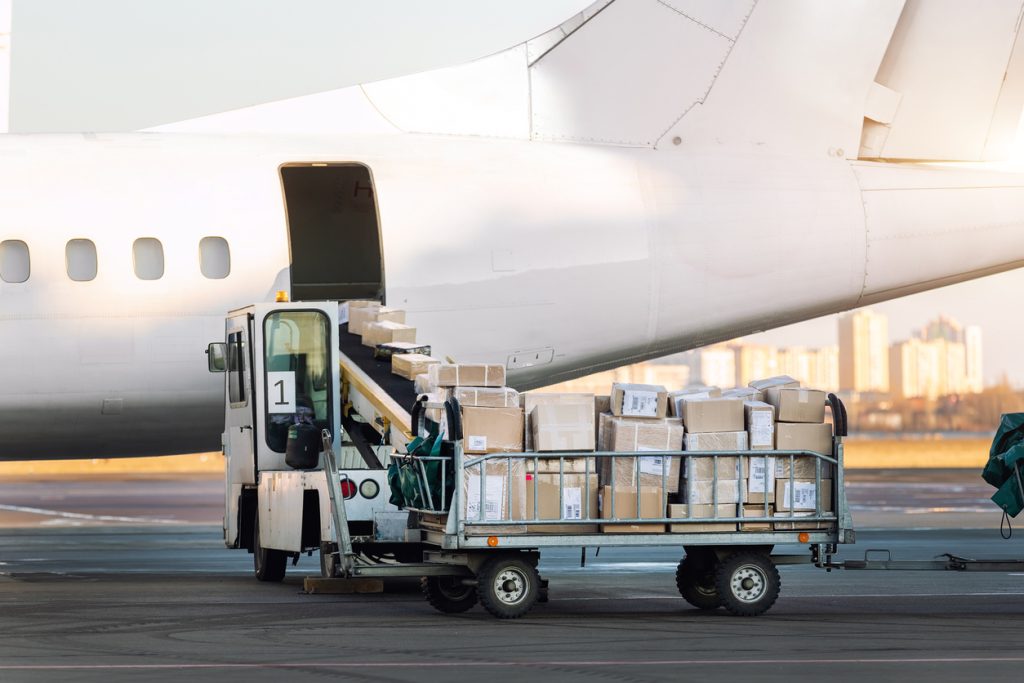
Airport cargo handling in Africa involves much more than moving shipments between an aircraft and a warehouse. Cargo must be received, checked, stored, documented, loaded, unloaded, cleared, and transported to its next destination without unnecessary delays.
For businesses importing goods into Nigeria, Kenya, Ghana, South Africa, and other African markets, efficient cargo handling can have a direct effect on delivery schedules and operating costs. A well-coordinated process helps keep shipments moving from the airport to the final destination.
What Happens During Airport Cargo Handling?
When cargo arrives at an airport, it normally passes through several stages before it can leave the facility.
These may include cargo acceptance, documentation checks, security screening, unloading, temporary storage, customs processing, collection, and onward transportation.
The exact process depends on the airport, type of shipment, airline, destination, and applicable regulations. Special cargo such as pharmaceuticals, perishables, dangerous goods, or live animals may require additional procedures and facilities.
Cargo Handling Challenges at African Airports
Airport cargo operations can be affected by infrastructure and operational limitations.
Common issues include limited warehouse capacity, congestion, inadequate handling equipment, documentation errors, delays during customs processing, and insufficient cold storage for temperature-sensitive goods.
Road transportation can also create problems after cargo has been released. A shipment may be ready for collection but still face significant delays because of traffic congestion or limited vehicle availability.
Preparing Cargo Before It Reaches the Airport
Good cargo handling starts before the shipment arrives at the terminal.
Businesses should ensure that shipment information is accurate and that the required documentation is prepared in advance. Cargo should also be packaged appropriately for its type and method of transportation.
Proper preparation helps reduce situations where cargo is rejected, held for additional checks, or delayed because important information is missing.
Handling Time-Sensitive Shipments
Some cargo needs to move quickly after an aircraft lands.
Medical supplies, aircraft components, fresh produce, urgent business shipments, and other time-sensitive goods can be affected by even relatively short delays. These shipments require closer coordination between airlines, handlers, customs authorities, warehouses, transport providers, and receivers.
Pre-arranging airport collection and onward delivery can reduce the time cargo spends waiting after release.
Cold Chain Cargo Needs Extra Attention
Temperature-sensitive goods require specialised handling throughout the logistics chain.
Pharmaceuticals, vaccines, certain food products, flowers, and other perishables may need controlled storage and transportation. Delays on the airport apron, in warehouses, or during road transportation can affect product quality if the required temperature conditions are not maintained.
Businesses handling cold chain cargo should confirm the available facilities and handling procedures before choosing an airport or shipping arrangement.
Improving Cargo Warehouse Operations
Cargo warehouses are an important part of airport logistics. Poor organisation can lead to misplaced shipments, longer retrieval times, and congestion.
Clear storage areas, accurate shipment identification, appropriate handling equipment, and digital inventory records can improve warehouse efficiency.
During periods of high cargo demand, operators may also need additional staff, equipment, and storage planning to prevent congestion.
Customs and Documentation Coordination
Customs procedures can significantly influence how quickly cargo leaves an airport.
Businesses should provide accurate shipment information and prepare relevant documentation before arrival. Depending on the goods and destination, additional permits or regulatory requirements may apply.
Clear communication between the shipper, freight forwarder, customs representatives, airport handler, and receiving party can help identify documentation problems earlier.
Connecting Airport Handling With Road Delivery
Cargo handling does not end when a shipment is released from the airport.
The next step may involve transporting the goods to a warehouse, factory, retail location, office, or customer’s address. In major African cities, road conditions and traffic can have a significant impact on this final stage.
For example, cargo leaving an airport in Lagos may need to travel through heavily congested parts of the city before reaching its final destination. Planning collection times and suitable vehicles in advance can make this stage more predictable.
Using Digital Tracking for Better Visibility
Digital tracking can improve communication throughout the cargo handling process.
Businesses can receive updates when cargo is accepted, loaded, received at the destination, cleared, collected, and delivered. This allows them to plan warehouse space, production schedules, customer deliveries, and other business activities around the shipment.
For logistics providers, tracking data can also reveal recurring delays and help improve future cargo operations.
How Travo.ng Supports Airport Cargo Logistics
Travo.ng can help coordinate logistics requirements connected to airport cargo movement, including delivery arrangements, transport coordination, airport transfers, and related travel and logistics services.
For businesses receiving cargo, arranging the onward transportation before the shipment arrives can reduce unnecessary waiting at the airport. This is particularly useful when cargo needs to reach another city or location immediately after clearance.
Making Airport Cargo Handling More Efficient
Efficient airport cargo handling in Africa depends on coordination at every stage. Accurate documentation, suitable storage, reliable handling equipment, efficient customs processes, trained personnel, and dependable onward transportation all contribute to smoother cargo movement.
Businesses can reduce avoidable delays by planning the complete shipment journey before dispatch. When airport handling and road logistics are treated as one connected process, cargo can move more efficiently from aircraft to its final destination.
