


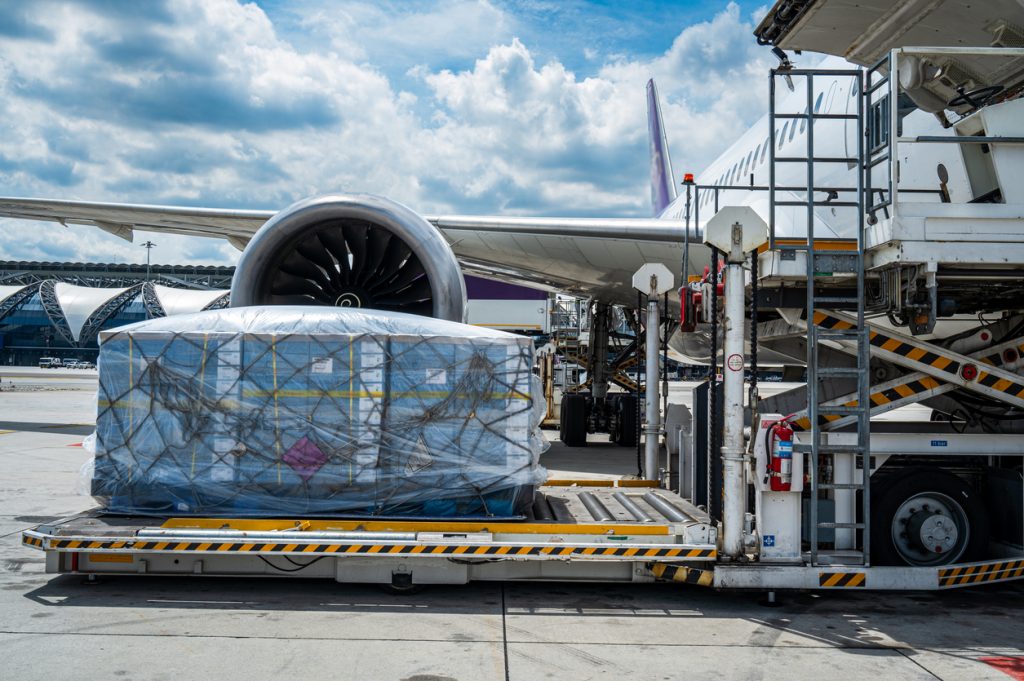
Aircraft turnaround logistics in Africa involves coordinating everything that needs to happen between an aircraft arriving at an airport and departing for its next flight. This includes passenger movement, baggage and cargo handling, aircraft servicing, refuelling, cleaning, catering, ground support equipment, crew coordination and final departure preparations.
Because many of these activities happen at the same time, a delay in one area can affect several other teams. Efficient turnaround therefore depends on preparation, communication and having the right people and equipment ready before the aircraft arrives.
What Aircraft Turnaround Logistics Involves
A typical turnaround brings together airlines, airports, ground handling companies, maintenance teams, fuel providers, catering companies, baggage teams and other service providers.
The process generally covers:
- Aircraft arrival and parking
- Passenger disembarkation
- Baggage and cargo unloading
- Cabin cleaning and servicing
- Refuelling
- Catering
- Aircraft inspection and maintenance checks
- Loading of passengers, baggage and cargo
- Final documentation and load control
- Aircraft pushback and departure
IATA describes turnaround as a coordinated process involving multiple operational stakeholders, with each service needing to be completed at the appropriate time. (IATA)
Managing Turnaround Operations Across African Airports
African airports operate under very different infrastructure, staffing and operational conditions. A busy hub such as Lagos, Nairobi, Johannesburg or Addis Ababa may handle complex and frequent aircraft movements, while smaller regional airports may have fewer pieces of ground equipment and fewer service providers available.
This means turnaround planning has to reflect the airport’s actual operating environment.
Before an aircraft lands, teams need to know where the aircraft will park, what services it requires, which equipment is available and who is responsible for each task. Early preparation reduces the amount of time an aircraft spends waiting for personnel or equipment after arrival.
Baggage and Cargo Handling During Turnaround
Baggage and cargo are major parts of aircraft turnaround logistics. Offloading has to be completed safely before new baggage and cargo can be loaded according to the flight’s requirements.
Poor coordination can result in baggage arriving late at the aircraft, cargo waiting in a warehouse or loading activities starting later than planned.
Cargo operations can become more complicated when flights involve connecting shipments, temperature-sensitive goods, oversized cargo or additional documentation. Airport warehouses, transport vehicles and ramp teams therefore need to work together rather than operate as separate parts of the supply chain.
Ground Support Equipment and Resource Availability
Ground support equipment plays a major role in aircraft turnaround. Depending on the aircraft and airport, this can include baggage tractors, belt loaders, passenger stairs, ground power units, catering vehicles, water and lavatory service equipment, pushback tractors and other specialised equipment.
Equipment that is unavailable, poorly maintained or assigned to another aircraft can create delays.
IATA identifies modern ground support equipment, proper maintenance and standardised procedures as important elements of safer and more efficient ground operations. (IATA)
For African airports handling growing passenger and cargo volumes, resource planning is therefore important. Operators need to understand peak periods and position equipment and personnel accordingly.
Communication Between Turnaround Teams
Aircraft turnaround is not simply a collection of separate jobs. The activities have to happen in the correct sequence and often within a narrow window.
For example, baggage teams may need information about when unloading can begin, while fuel, catering, cleaning and maintenance teams also need access to the aircraft. If one activity is delayed without the other teams knowing, the delay can spread through the entire turnaround.
Digital systems can help by recording when individual turnaround activities start and finish. IATA has also highlighted timestamp-based turnaround information, digitalisation and data-driven coordination as tools for improving ground handling performance. (IATA)
Common Aircraft Turnaround Logistics Challenges in Africa
Several issues can affect aircraft turnaround across African airports:
- Limited availability of ground support equipment
- Delays in baggage or cargo movement
- Shortages of trained ground personnel
- Poor communication between service providers
- Aircraft maintenance requirements
- Congested airport ramps
- Equipment breakdowns
- Fuel or catering delays
- Limited airport infrastructure
- Traffic and transport delays affecting airport support teams
These challenges do not affect every African airport in the same way. Infrastructure investment is ongoing in several markets, with projects focused on improving airport capacity, connectivity, cargo facilities and operational efficiency. (African Development Bank)
Improving Aircraft Turnaround Logistics
Improving turnaround performance starts with understanding where time is actually being lost. Airport operators and ground handlers can monitor individual activities instead of looking only at the aircraft’s total ground time.
Useful measures include:
- Preparing ground teams before aircraft arrival.
- Maintaining essential ground support equipment.
- Standardising repetitive turnaround procedures.
- Improving communication between airlines and service providers.
- Tracking turnaround activities digitally.
- Training ramp and ground handling personnel.
- Reviewing recurring delays and their causes.
- Coordinating baggage, cargo and passenger operations more closely.
Standardisation is particularly important because it gives different teams a consistent process to follow while supporting safety and operational efficiency. (IATA)
How Travo.ng Can Support Aircraft-Related Travel and Logistics
Travo.ng can support the wider travel and logistics requirements that surround aviation operations without replacing specialist airport ground handlers or aviation service providers.
For example, when airline staff, contractors, business travellers or other personnel need to move between an airport and another location, Travo.ng can help coordinate relevant transportation and travel arrangements. Depending on the requirement, this can include airport transfers, travel bookings, hotel reservations, vehicle hire and other transport or delivery logistics.
For aviation-related businesses operating across cities such as Lagos, Abuja, Accra, Nairobi or Johannesburg, having transportation arrangements coordinated alongside other travel requirements can make movement easier for teams working around flight schedules.
The distinction is important: specialist airport operators remain responsible for airside turnaround activities, while Travo.ng can support the travel and logistics requirements connected to those operations.
Building More Reliable Turnaround Logistics Networks
Aircraft turnaround logistics will become increasingly important as African aviation networks expand and airports handle more passenger and cargo traffic. Recent aviation development initiatives across the continent are also placing attention on infrastructure, connectivity and logistics capacity. (African Development Bank)
The most effective turnaround systems are not necessarily those that simply make individual tasks faster. They are systems where the right people, equipment, information and transport resources are available at the right time.
For airlines and airports, this means treating turnaround as one connected operation rather than a series of unrelated activities. Better planning, trained personnel, reliable equipment, standardised procedures and digital coordination can all contribute to more predictable aircraft ground operations across Africa.
