


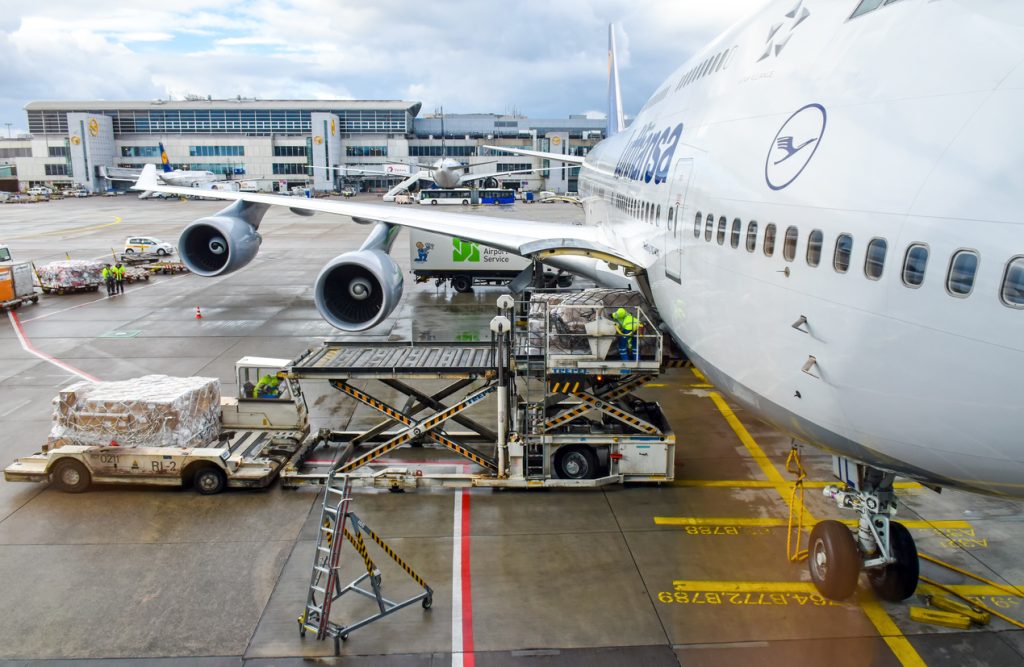
Aircraft ground logistics solutions in Africa cover the coordination of people, equipment, cargo, transportation and support services required while aircraft are operating on the ground.
An aircraft turnaround can involve many activities happening within a limited period, including passenger movement, baggage handling, cargo operations, aircraft servicing, equipment positioning and departure preparation. IATA identifies safe and on-time ground handling turnarounds as a priority and highlights standardisation as a way to improve operational efficiency and reduce variations between operators. (IATA)
For African airports, effective ground logistics solutions need to account for differences in infrastructure, equipment availability, staffing, road networks and airport operating conditions.
What Aircraft Ground Logistics Solutions Cover
Ground logistics support can involve several connected activities, including:
- Aircraft turnaround coordination
- Baggage and cargo movement
- Ground Support Equipment management
- Passenger and crew transportation
- Aircraft servicing logistics
- Movement of aviation equipment
- Maintenance logistics
- Airport transfers
- Crew accommodation and travel arrangements
- Delivery of operational supplies
- Communication between logistics and aviation teams
Some of these activities are specialist airside functions performed by approved ground handling organisations. Others involve the wider transportation and travel network supporting aviation operations.
Managing Aircraft Turnaround Logistics
Aircraft turnaround is one of the areas where ground logistics coordination has an immediate operational effect.
When an aircraft arrives, baggage and cargo may need to be unloaded while passengers leave the aircraft. At the same time, cleaning, catering, refuelling and other servicing activities may take place before the next passengers board.
A delay in one activity can affect another. IATA notes that ground handling services such as passenger, baggage, ramp and cargo handling are interconnected, meaning delays can create a knock-on effect across the turnaround process. (IATA)
Effective solutions therefore involve preparing personnel and equipment before aircraft arrival, assigning responsibilities clearly and monitoring the progress of the turnaround.
Ground Support Equipment Logistics
Ground Support Equipment is a major part of aircraft ground logistics. Equipment can include baggage tractors, belt loaders, passenger stairs, ground power units and pushback equipment.
The availability and condition of this equipment can directly affect aircraft servicing and turnaround performance. IATA describes GSE as essential to safe and efficient airport operations and notes that its design and functionality affect operational efficiency and safety. (IATA)
Ground logistics managers need to consider where equipment is located, whether it is available for the next aircraft, whether it requires maintenance and how quickly replacement equipment can be provided when necessary.
Moving Aviation Personnel and Equipment
Aircraft operations often require people and equipment to move between airports, hotels, maintenance facilities and other operational locations.
For example, an engineering team may travel to Lagos to support an aircraft operation while equipment or replacement components arrive separately. Coordinating their airport pickup, accommodation and local transportation can prevent unnecessary delays once they arrive.
Similar requirements can arise when aviation companies operate across cities such as Lagos, Abuja, Accra, Nairobi or Johannesburg.
Supporting Aircraft Maintenance Logistics
Maintenance activities can create time-sensitive logistics requirements.
A maintenance team may need tools or components transported to an airport, while technical personnel may need to travel from another location to carry out approved maintenance work.
Ground logistics providers can support the movement and delivery side of these activities, but they do not replace certified maintenance organisations or qualified aviation engineers.
The objective is to make sure the required people and resources can reach the correct location when they are needed.
Digital Ground Logistics Coordination
Technology can improve visibility across aircraft ground operations.
Digital systems can help organisations track equipment, monitor turnaround activities, share operational information and identify delays. IATA’s Operational Portal provides airlines and ground handling service providers with access to operational standards and tools for exchanging information between stakeholders. (IATA)
IATA has also highlighted digitalisation, modern GSE and stronger implementation of ground-handling standards as important elements of more resilient ground operations. (IATA)
For African aviation businesses, the practical value of digital coordination is being able to see what has been completed, what is still pending and where resources need to be redirected.
Challenges Affecting Aircraft Ground Logistics in Africa
Ground logistics requirements vary significantly between African airports, but operators can encounter challenges such as:
- Limited availability of GSE
- Equipment maintenance problems
- Shortages of trained personnel
- Airport congestion
- Road traffic around major airports
- Delays moving equipment between locations
- Limited storage facilities
- Changing flight schedules
- Communication gaps between service providers
- Delays affecting aviation personnel and cargo
A solution designed for a major international hub may not work in exactly the same way at a smaller regional airport. Logistics planning therefore needs to consider the specific route, airport, aircraft operation and available infrastructure.
Improving Ground Logistics Efficiency
Better aircraft ground logistics does not simply mean completing tasks faster. Safety and coordination need to remain central to the process.
Airlines, airports and ground service providers can improve performance by:
- Preparing ground resources before aircraft arrival.
- Maintaining reliable GSE and monitoring its availability.
- Using standardised procedures across recurring operations.
- Training personnel for their specific responsibilities.
- Tracking turnaround activities and recurring delays.
- Improving communication between airlines and ground handlers.
- Planning alternative transportation arrangements.
- Coordinating aviation personnel, equipment and accommodation.
- Using digital tools for resource and operational tracking.
- Reviewing incidents and delays to identify underlying problems.
IATA’s current ground operations guidance emphasises standardisation, training, GSE management and operational efficiency as connected parts of effective ground handling. (IATA)
How Travo.ng Can Support Aircraft Ground Logistics
Travo.ng can support the travel and transportation requirements surrounding aircraft ground operations without presenting itself as a specialist airside ground handler.
For example, an aviation company bringing technicians into Lagos may need airport pickup, hotel accommodation and local transportation. A project team travelling between Abuja and Lagos may require travel bookings and coordinated vehicle arrangements. Businesses may also need transportation support for personnel moving between airports, hotels and work locations.
Travo.ng can help coordinate these wider travel and mobility requirements, allowing aviation teams to focus on their specialist operational responsibilities while their transportation arrangements are organised.
This distinction is important: specialist aircraft handling, aircraft maintenance and airside operations remain the responsibility of appropriately qualified aviation organisations, while Travo.ng can support the wider travel and logistics chain around them.
Building Reliable Aircraft Ground Logistics in Africa
Reliable ground logistics comes from planning the entire movement rather than treating each transportation requirement separately.
A practical approach should consider the aircraft schedule, airport location, personnel, equipment, cargo, accommodation and onward transportation. Contingency plans are also important because flight changes, traffic, equipment failures and other disruptions can quickly affect ground movements.
As African aviation networks continue to develop, airlines and aviation businesses will need logistics arrangements that can respond to increasingly connected operations. Combining standardised ground procedures with reliable equipment, trained personnel, digital coordination and dependable transportation support can help make aircraft ground operations more predictable and efficient.
