


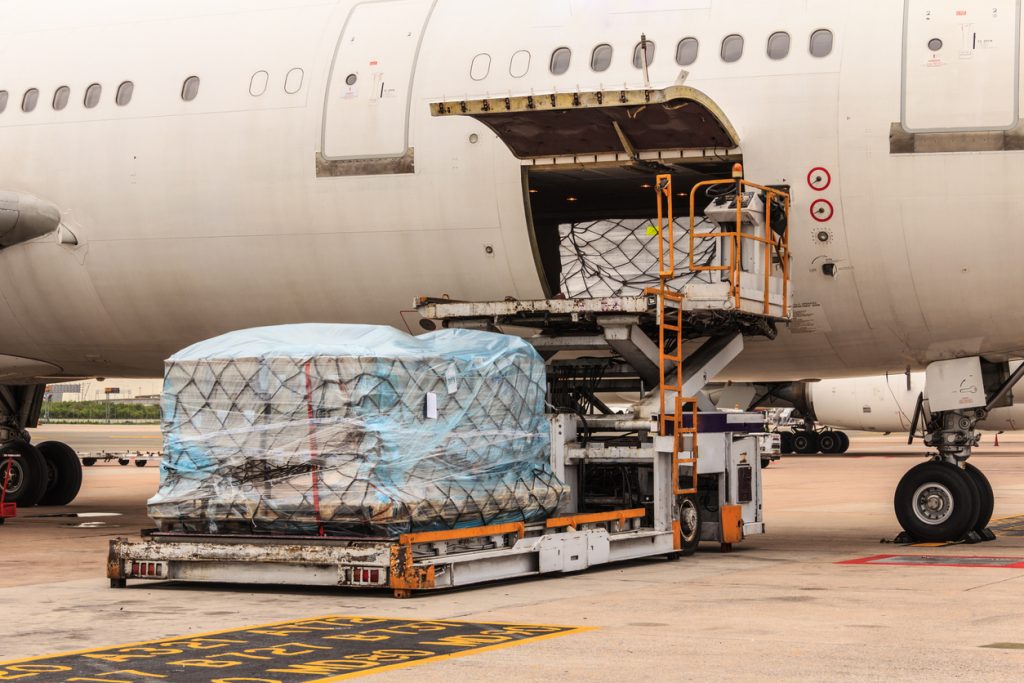
Air freight infrastructure is a major part of Africa’s ability to move goods quickly between countries and international markets. Airports need more than runways and passenger terminals to handle cargo efficiently. Cargo terminals, warehouses, cold storage, handling equipment, road connections, customs facilities, and digital systems all form part of the air freight network.
As African businesses expand their regional and international trade, reliable air cargo infrastructure becomes increasingly important for moving high-value, urgent, and time-sensitive goods.
What Makes Up Air Freight Infrastructure?
Air freight infrastructure includes the physical and operational facilities required to receive, process, store, and transport cargo.
Important components include:
- Cargo terminals and warehouses
- Aircraft parking and loading areas
- Cargo handling equipment
- Cold storage facilities
- Customs and inspection areas
- Road connections to airports
- Security and screening systems
- Digital cargo management systems
- Specialised facilities for sensitive shipments
Weakness in any one of these areas can affect the overall efficiency of cargo movement.
Cargo Terminal Capacity Matters
Cargo terminals need enough space to handle incoming and outgoing shipments without creating unnecessary congestion.
When cargo volumes increase faster than terminal capacity, shipments may spend longer waiting for handling, sorting, storage, or collection. This can be particularly challenging during periods of high import and export activity.
Airports planning for future cargo growth need to consider not only current volumes but also the expected growth of e-commerce, manufacturing, agriculture, and regional trade.
Cold Chain Infrastructure for Perishable Goods
Africa has significant agricultural production, creating opportunities for exporting fresh produce and other temperature-sensitive goods.
However, these products need suitable cold chain infrastructure from the point of collection through the airport and onto the aircraft. Refrigerated warehouses, temperature-controlled handling areas, appropriate packaging, and reliable refrigerated transportation can help protect cargo quality.
Without sufficient cold storage, businesses may find it difficult to use air freight for products that require controlled temperatures.
Ground Handling Equipment
Efficient cargo movement depends on suitable ground equipment.
Forklifts, cargo loaders, pallet handling systems, dollies, tugs, and other equipment allow cargo to move between warehouses and aircraft. Equipment shortages or frequent breakdowns can slow down loading and unloading operations.
Airports and handling companies need maintenance programmes and equipment planning that match the volume and type of cargo being handled.
Road Connections to Airports
Air freight does not operate independently of road transportation.
Cargo needs to reach the airport from farms, factories, warehouses, and distribution centres. After landing, shipments also need reliable transportation to their final destinations.
Poor road access or severe urban congestion can reduce some of the time advantage provided by air transportation. For example, cargo arriving at an airport may still require several hours to reach a warehouse in another part of a major city.
Customs and Inspection Facilities
Efficient customs infrastructure is essential for international air cargo.
Cargo may need to be inspected, documented, cleared, and released before it can continue to its destination. Dedicated facilities and organised procedures can help reduce congestion and unnecessary delays.
Businesses can also help by ensuring that shipment information and required documentation are prepared before cargo arrives.
Digital Infrastructure Is Becoming More Important
Modern air freight increasingly depends on digital information.
Shipment tracking, electronic documentation, inventory management, cargo notifications, and communication between logistics providers can provide better visibility throughout the supply chain.
Digital systems are particularly useful when several parties are involved in one shipment. Shippers, airlines, freight forwarders, handlers, customs representatives, and delivery companies can coordinate more effectively when accurate information is available.
Security and Cargo Screening
Cargo infrastructure must also support appropriate security and screening procedures.
Efficient screening helps protect aircraft, staff, passengers, and shipments while avoiding unnecessary disruption to cargo movement. Facilities need suitable equipment, trained personnel, controlled access, and procedures appropriate to the types of goods being handled.
High-value and sensitive cargo may require additional security measures throughout storage and transportation.
Supporting Aircraft Maintenance and Aviation Supplies
Air freight infrastructure can also support the wider aviation industry.
Airlines and maintenance providers may need to move aircraft components, tools, technical equipment, and other operational supplies quickly between locations. Efficient cargo facilities and reliable road connections can make it easier to move these items between airports, maintenance centres, warehouses, and suppliers.
Connecting Air Freight Infrastructure With Logistics Services
Infrastructure provides the foundation, but businesses still need reliable logistics coordination to use it effectively.
Travo.ng can support movement requirements connected to air travel and logistics, including cargo and delivery coordination, airport transfers, transport arrangements, travel bookings, and related services.
For businesses receiving air cargo, arranging onward transportation before the shipment arrives can help reduce delays once the goods are cleared and ready for collection.
Building Stronger Air Freight Networks
Improving air freight infrastructure in Africa requires attention to the entire cargo chain rather than individual airport facilities.
Cargo terminal capacity, cold storage, handling equipment, customs facilities, road connectivity, security, and digital systems all influence how efficiently goods move.
For businesses, the practical objective is predictable movement from supplier to airport, aircraft to destination airport, and finally from the airport to the end customer. Better infrastructure combined with coordinated logistics can help African markets make greater use of air freight for regional and international trade.
