


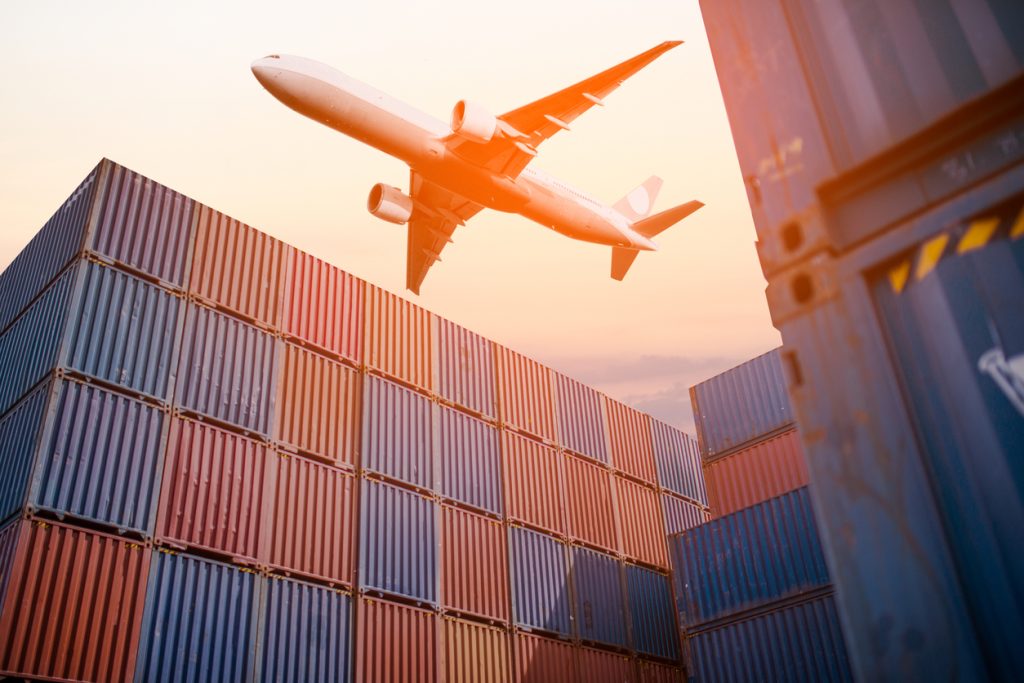
Moving goods into or out of Nigeria by air can be fast, but only when the freight and clearance process is properly coordinated. For businesses importing urgent stock, individuals receiving valuable packages, or companies moving commercial cargo, delays often happen after the aircraft has already landed.
Reliable air freight forwarding & customs clearance Nigeria services should cover more than booking space on a flight. Documentation, cargo handling, customs processing, airport charges, inspections and final delivery all need to work together.
Travo.ng helps customers coordinate these stages so shipments can move from the airport to their actual destination without unnecessary confusion.
What Happens Before Your Cargo Leaves the Airport
Air freight usually arrives through major cargo gateways such as Murtala Muhammed International Airport in Lagos or Nnamdi Azikiwe International Airport in Abuja.
Once the shipment arrives, it does not automatically become available for collection.
Depending on the cargo, the clearance process may involve:
- confirming the airway bill and shipping documents
- reviewing invoices and packing lists
- customs declaration and assessment
- payment of applicable duties and charges
- physical examination where required
- airline or terminal cargo release
- arranging pickup from the cargo terminal
A missing invoice, incorrect product description or disagreement between the paperwork and the actual shipment can slow the process significantly.
That is why experienced freight coordination usually begins before the cargo even departs its origin country.
Documents You Should Prepare Before Shipping
One common mistake Nigerian importers make is waiting until their shipment reaches Lagos before checking whether their documentation is complete.
For many commercial air shipments, you may need documents such as a commercial invoice, packing list and airway bill. Additional documentation can apply depending on the goods being imported.
For example, electronics, machinery, medical products, food items and regulated products may require different approvals or supporting documents.
Before booking air freight, send the cargo details to your forwarding team. Include the description, quantity, weight, dimensions, value, origin and intended destination in Nigeria.
This makes it easier to identify potential clearance issues early.
How Air Freight Costs Are Usually Calculated
Air cargo pricing is different from ordinary courier pricing.
Freight charges may be based on either the shipment’s actual weight or its volumetric weight, depending on which is higher. A lightweight but bulky shipment can therefore cost more than expected.
Your total landed logistics cost may also include:
- origin handling
- international air freight
- cargo terminal charges
- customs duties and taxes where applicable
- customs processing expenses
- storage charges if clearance is delayed
- airport pickup
- delivery from the airport to your final address
For a business importing products into Lagos, knowing these possible charges before shipping makes budgeting much easier.
Travo.ng can also coordinate onward cargo delivery after clearance, whether the final destination is within Lagos or in another Nigerian city.
Lagos Airport Clearance Needs Fast Coordination
Lagos handles a large amount of Nigeria’s international cargo traffic, which means operational timing matters.
When cargo documentation is incomplete, shipments can remain at the terminal longer than planned. That can create additional storage costs and disrupt customer orders or production schedules.
Imagine a retailer expecting replacement stock for stores in Lekki and Ikeja. The aircraft may arrive on Monday, but the useful delivery date is the day the goods actually reach the stores.
That is why air freight forwarding should include a clear plan for customs clearance and last-mile movement.
When Air Freight Makes More Sense Than Sea Freight
Air freight is normally most practical when speed matters more than moving very large volumes at the lowest possible cost.
Businesses commonly use it for:
- urgent replacement parts
- electronics and higher-value goods
- samples and documents
- time-sensitive retail inventory
- small commercial shipments
- equipment required for projects or events
Large, heavy cargo with flexible delivery timelines may be more economical by sea.
A good freight coordinator should help you choose based on urgency, weight, dimensions and total logistics cost rather than automatically recommending air freight.
Moving Cargo Beyond the Airport
Customs release is not always the final step.
An Abuja business importing goods through Lagos may still need interstate cargo transport after clearance. A company receiving equipment may require a suitable vehicle for airport pickup. Corporate customers may also need several shipments distributed to different branches.
Travo.ng can support cargo logistics, delivery services, transport coordination and business logistics alongside freight forwarding requirements.
This reduces the need to separately arrange clearance, airport collection and onward transportation.
With properly planned air freight forwarding & customs clearance Nigeria support, businesses can spend less time chasing shipment updates and more time preparing for the goods to arrive.
For imports, exports or urgent air cargo movements, Travo.ng can help coordinate the journey from freight booking and documentation through customs clearance and final delivery.
