


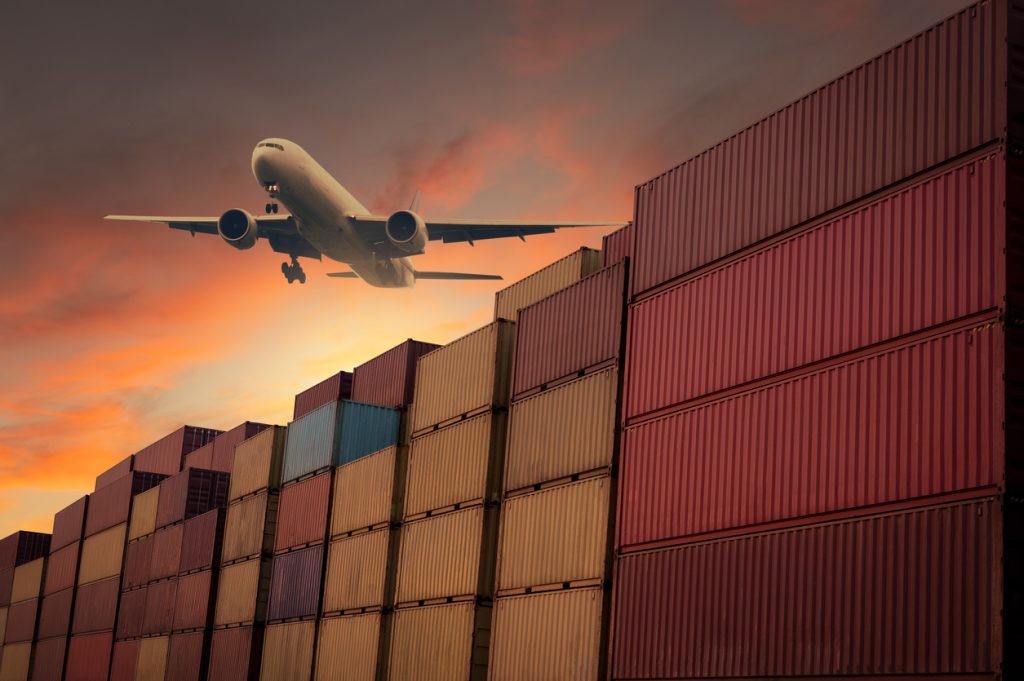
Moving cargo by air into Nigeria can be fast, but getting the shipment off the airport floor is where many businesses run into problems. An experienced air freight carrier customs liaison in Nigeria helps coordinate the people, documents, timelines, and ground movement required to move cargo from the airline to its final destination.
This becomes especially important at busy cargo terminals such as Murtala Muhammed International Airport in Lagos and Nnamdi Azikiwe International Airport in Abuja. A shipment may arrive on time but still face delays because an airway bill is incomplete, customs documentation does not match the cargo description, or the receiving company has not arranged pickup.
For businesses that depend on imported stock, equipment, samples, or urgent replacement parts, those delays can become expensive.
What Happens After Your Air Cargo Lands in Nigeria
Air freight does not automatically become available for collection once the aircraft lands.
The cargo must normally pass through airline handling procedures, terminal processing, customs documentation checks, and any applicable inspection or clearance requirements before it can leave the airport.
This is where coordination matters.
A customs liaison may need to communicate with the freight carrier, clearing representatives, cargo terminal operators, the consignee, drivers, and the business receiving the shipment.
If one party is waiting for information from another, a shipment that should move quickly can remain at the terminal longer than expected.
Travo.ng can support customers with practical logistics coordination around airport cargo movements, including transport arrangements and onward delivery after clearance.
Where Air Freight Clearance Delays Usually Start
Many air cargo problems begin before the shipment reaches Nigeria.
For example, the commercial invoice may describe the goods differently from the airway bill. The consignee details may be incomplete, or important supporting documents may arrive after the cargo.
Businesses importing equipment should also avoid assuming that every type of cargo follows exactly the same procedure.
Products such as electronics, medical equipment, industrial components, food-related items, and regulated goods may require additional documentation depending on the shipment.
Before dispatch, confirm:
- The consignee name and contact details are correct
- The airway bill matches the shipment information
- Commercial invoices clearly describe the goods
- Required supporting documents are available
- Someone is responsible for monitoring the shipment after arrival
Good preparation reduces unnecessary airport storage and repeated document corrections.
Planning Airport Pickup After Customs Clearance
Another common mistake is arranging a vehicle too early or too late.
A truck sent to Lagos airport before cargo is released may spend hours waiting. Sending one too late can create another day of storage or delay an urgent delivery.
The better approach is to coordinate transportation around the actual clearance progress.
For a business receiving cartons of imported merchandise in Ikeja, for example, a suitable vehicle can be positioned once release is reasonably certain. Larger cargo moving from Lagos airport to warehouses around Isolo, Apapa, Lekki, Ogun State, or other cities may require different vehicle capacity and routing.
Travo.ng can help arrange vehicle hire, cargo logistics, delivery services, and transport coordination based on the shipment size and final destination.
Interstate Delivery Needs More Than Airport Collection
Not every shipment ends in Lagos or Abuja.
Cargo arriving by air may need to continue to Ibadan, Benin City, Port Harcourt, Enugu, Kano, or another commercial centre.
That means the logistics plan should cover the entire movement rather than only airport clearance.
For example, a company importing replacement equipment for a Port Harcourt facility may need airport collection in Lagos followed by immediate interstate transportation. Waiting until the cargo is already cleared before searching for a suitable vehicle can waste valuable time.
Businesses handling regular imports can benefit from arranging airport pickup and onward cargo movement as one coordinated process.
Using an Air Freight Carrier Customs Liaison in Nigeria
The main value of an air freight carrier customs liaison in Nigeria is communication and operational coordination.
The person or logistics team responsible should know where the shipment is, which stage is holding it, what information is outstanding, and what needs to happen next.
This is particularly useful for companies importing time-sensitive goods, businesses without staff stationed near the airport, and customers managing shipments from outside Nigeria.
Travo.ng provides practical logistics support that can connect airport cargo coordination with courier services, cargo transportation, vehicle hire, interstate delivery, relocation logistics, and business logistics support.
Instead of treating clearance, collection, and delivery as separate problems, businesses can plan the shipment from aircraft arrival to final handover.
That preparation is often what makes air freight genuinely fast.
