


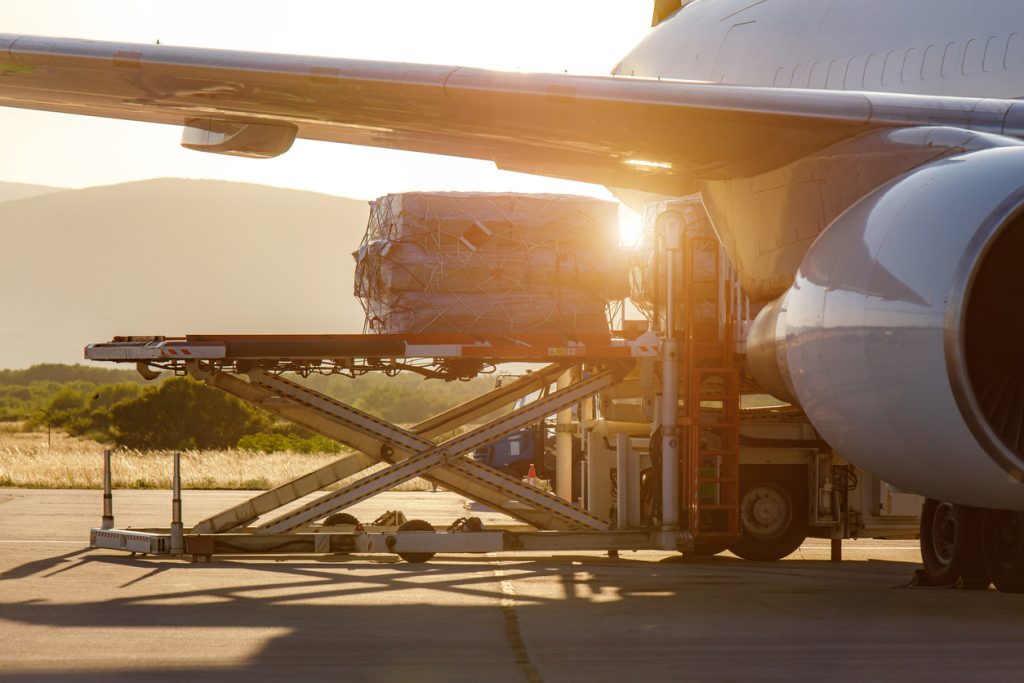
Moving goods by air can save days compared with road or sea freight, but speed alone does not guarantee a smooth shipment. Air cargo logistics & customs in Nigeria involves much more than putting goods on a flight. Documentation, airport handling, customs assessment, clearance, storage charges, and final delivery all need to be coordinated properly.
For businesses importing urgent stock, individuals receiving high-value items, or companies sending time-sensitive cargo between Nigerian cities, understanding how the process works can prevent expensive delays.
What Happens After Your Cargo Arrives at a Nigerian Airport
International air cargo commonly enters Nigeria through airports such as Murtala Muhammed International Airport in Lagos or Nnamdi Azikiwe International Airport in Abuja.
Arrival does not mean the shipment is immediately ready for pickup. The cargo must first be processed through the relevant airport and customs procedures.
Depending on the shipment, this can involve:
- Confirmation of the airway bill and cargo manifest
- Customs documentation and declaration
- Assessment of applicable duties and charges
- Inspection where required
- Payment and release processing
- Collection from the cargo terminal
- Transport to the customer’s final destination
The process becomes more complicated when documentation does not match the actual goods being shipped.
Documents That Can Delay Customs Clearance
One of the most common problems with air cargo logistics & customs in Nigeria is incomplete or inconsistent paperwork.
For example, a commercial shipment described simply as “equipment” may attract additional questions if there is no clear invoice showing the exact items, quantity, value, and purpose.
Depending on the cargo, documentation may include a commercial invoice, packing list, airway bill and permits or certificates for regulated goods.
Importers should also make sure the consignee’s details are accurate before the shipment leaves its origin country. Correcting documentation after cargo has already landed can increase storage costs and extend clearance time.
How Long Air Cargo Clearance Can Take
There is no single clearance timeline for every shipment.
Straightforward cargo with complete documentation may move relatively quickly once all required procedures are completed. Shipments requiring inspection, additional approvals or documentation corrections can take longer.
Timing also depends on when the cargo arrives. A shipment reaching Lagos close to a weekend or public holiday may not move at the same speed as one arriving during normal working days.
This is why businesses importing urgent items such as electronics, spare parts, samples or production materials should avoid planning around the flight arrival time alone. Customs clearance and airport handling need to be included in the delivery schedule.
Why Leaving Cargo at the Airport Gets Expensive
Cargo terminals are not designed to function as long-term warehouses.
When goods remain uncleared beyond the applicable free or initial storage period, additional handling or storage charges may begin to accumulate. The longer the cargo remains, the more expensive the shipment can become.
A seemingly minor documentation problem can therefore turn into a significant logistics cost.
Businesses that import frequently should prepare clearance documents before the aircraft arrives rather than waiting for notification from the cargo terminal.
Moving Cargo From the Airport to Its Final Destination
Customs release is only one part of the journey.
A company receiving cartons of merchandise at Lagos airport may still need the cargo transported to a warehouse in Ikeja, Lekki, Apapa or another state entirely.
This is where coordinated logistics makes a major difference.
Travo.ng can support customers with cargo logistics, transport coordination and delivery arrangements after clearance. Instead of arranging airport collection and onward transportation separately, businesses can organise the movement as part of one practical logistics plan.
For interstate shipments, this may include transporting released cargo from Lagos to destinations such as Abuja, Ibadan, Benin City or Port Harcourt.
Plan Air Cargo Before the Flight Lands
The safest approach to air freight is to organise the entire movement before the goods arrive.
Confirm the paperwork, understand the expected customs process, arrange airport collection and determine how the cargo will reach its final address.
For businesses handling repeated imports, having dependable logistics support also reduces the disruption caused by coordinating different transport providers every time cargo arrives.
Travo.ng provides practical support for air cargo logistics & customs in Nigeria, including cargo movement, delivery coordination and related business logistics. Customers can arrange support based on the type of shipment, arrival location and final destination, making it easier to move goods from the airport into the next stage of the supply chain without unnecessary complications.
