


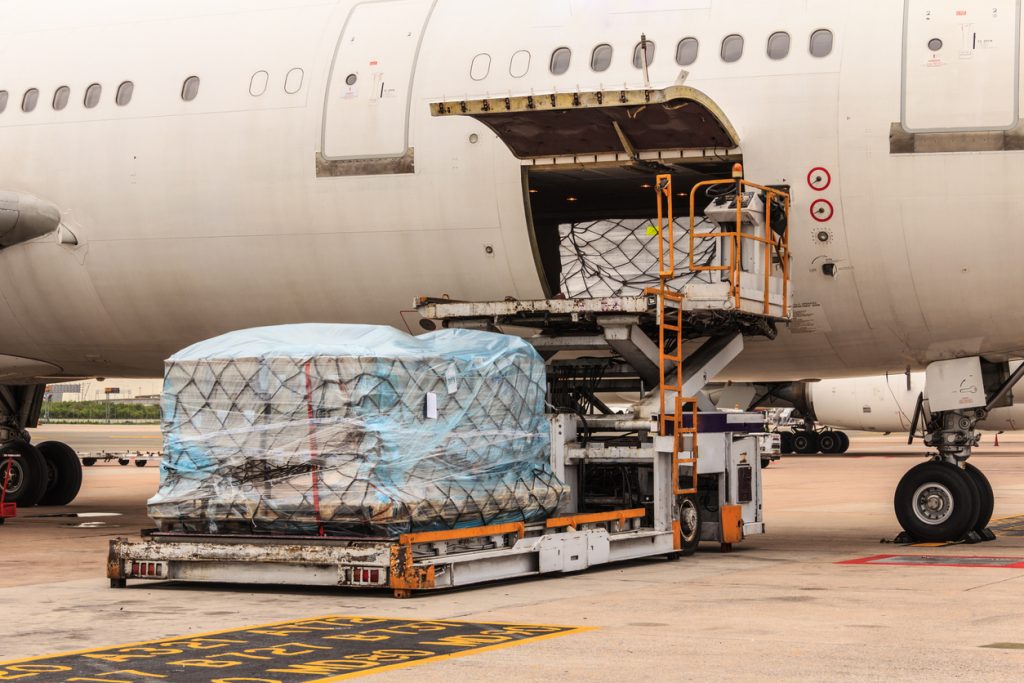
Air cargo logistics in Africa connects businesses, manufacturers, exporters, importers, and consumers across countries and continents. From urgent business documents and spare parts to agricultural products, pharmaceuticals, electronics, and other time-sensitive goods, air transport can provide faster movement than many overland alternatives.
However, getting cargo onto an aircraft is only one part of the process. Efficient air cargo logistics also depends on airport handling, documentation, customs clearance, warehousing, road transportation, and final delivery.
How Air Cargo Moves Through African Airports
A typical shipment passes through several stages before reaching its final destination.
Cargo may first be collected from a supplier or warehouse and transported to the departure airport. After documentation and security checks, it is prepared for loading onto an aircraft. At the destination, the shipment goes through unloading, handling, customs procedures where applicable, and collection or onward delivery.
Airports such as Murtala Muhammed International Airport in Lagos, Jomo Kenyatta International Airport in Nairobi, Kotoka International Airport in Accra, and OR Tambo International Airport in Johannesburg serve important roles in regional and international cargo movement.
Common Challenges Affecting Air Cargo Logistics
Air cargo operations can be affected by several factors beyond the control of the shipper.
Common challenges include:
- Delays in cargo handling
- Incomplete or incorrect documentation
- Customs processing delays
- Limited cargo storage capacity
- Road congestion around major airports
- Limited specialised handling equipment
- Flight schedule changes
- Difficulty coordinating airport and final-mile transportation
A delay at one stage can affect the entire shipment, especially when cargo is being transported on a tight schedule.
Documentation Needs to Be Ready Early
Documentation is a major part of international air cargo.
Depending on the shipment, businesses may need commercial invoices, packing information, airway bills, permits, certificates, or other regulatory documents. Requirements can vary depending on the type of goods, origin, destination, and applicable regulations.
Preparing the necessary information before the cargo reaches the airport can help reduce avoidable delays.
Cold Chain Logistics for Sensitive Cargo
Some products require controlled temperatures throughout transportation.
Pharmaceuticals, vaccines, certain foods, flowers, and other temperature-sensitive goods may require specialised packaging, storage, and handling. A shipment can be exposed to risk if it spends too much time outside the required temperature range during airport transfers or loading.
Businesses handling sensitive cargo should therefore consider the entire supply chain, including collection, airport handling, flight movement, customs processing, and final delivery.
Connecting Air Cargo With Road Transport
Air freight is only as effective as the transportation connecting it to the shipper and final customer.
For example, cargo arriving in Lagos may still need to travel by road to a warehouse, factory, shop, or customer in another part of the city or in another state. Traffic congestion and long-distance road travel can therefore affect the final delivery time even when the flight arrives on schedule.
Pre-arranged collection and delivery can help reduce waiting time after cargo is released from the airport.
Planning Around African Airport Conditions
Cargo operators need to consider the conditions at both the departure and destination airports.
Infrastructure, cargo facilities, operating hours, road access, weather, customs processes, and available handling equipment can vary significantly between locations. A logistics plan that works well for one airport may need to be adjusted for another.
Local knowledge is particularly valuable when arranging deliveries beyond major aviation hubs.
Handling Urgent and Time-Sensitive Cargo
Some shipments cannot afford extended delays. Aircraft spare parts, business documents, emergency supplies, medical products, and other urgent items may need rapid movement.
For these shipments, logistics planning should begin before dispatch. The sender should understand the expected flight schedule, documentation requirements, airport handling process, and delivery arrangements at the destination.
A clear chain of responsibility also makes it easier to identify who is responsible for the cargo at each stage.
Using Technology for Better Cargo Visibility
Digital tracking can improve visibility across the air cargo process.
Businesses can use shipment updates to monitor key stages such as collection, airport acceptance, flight movement, arrival, clearance, and final delivery. Better information helps businesses plan warehouse operations and notify customers about expected delivery times.
For logistics providers, digital records can also help identify recurring delays and improve future shipment planning.
How Travo.ng Supports Air Cargo Logistics
Travo.ng can support businesses and individuals with logistics coordination connected to air travel, including delivery arrangements, transport coordination, airport transfers, travel bookings, and other movement requirements.
For cargo shipments, coordinating airport collection and onward transportation in advance can help reduce unnecessary waiting after arrival. Businesses can also combine travel and logistics arrangements when employees or representatives need to travel alongside time-sensitive operations.
Making Air Cargo Movement More Reliable
Air cargo logistics in Africa involves much more than booking space on an aircraft. Successful shipments depend on accurate documentation, efficient airport handling, reliable road transportation, customs coordination, suitable storage, and clear communication.
Businesses moving cargo across African markets should plan the complete journey from collection to final delivery. With proper preparation and dependable logistics coordination, air freight can provide a practical option for moving valuable and time-sensitive goods across the continent.
