


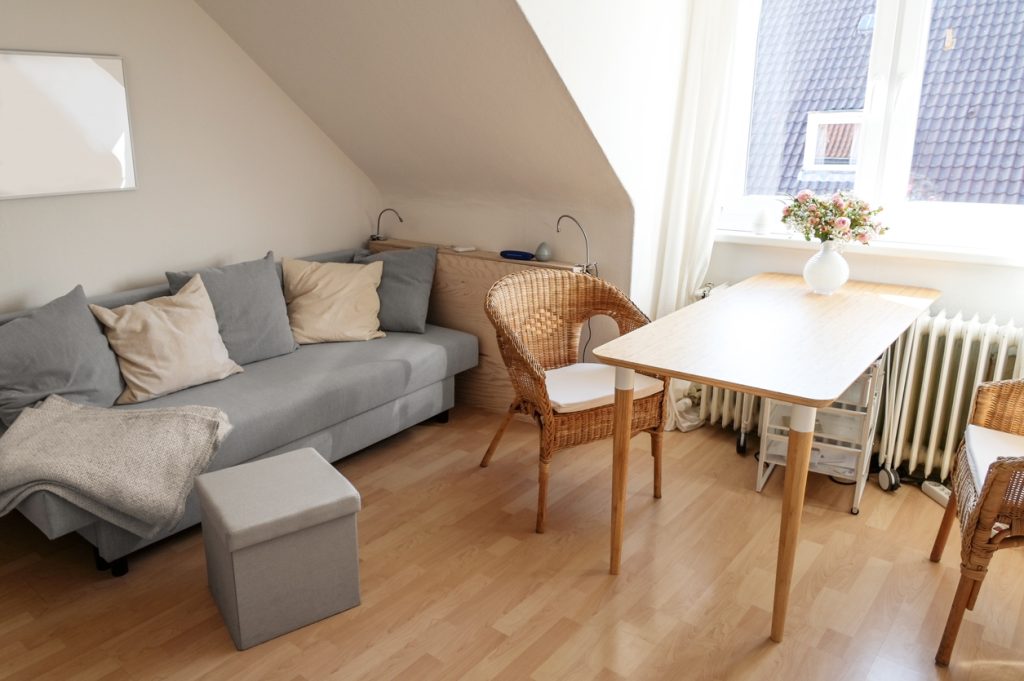
Finding shared student apartments in Nigeria has become a practical option for students who want more privacy than a hostel without carrying the full cost of renting an apartment alone. In university areas across Lagos, Abuja, Ibadan, Benin City, Enugu, and other student hubs, two or three students often share rent, electricity, internet, security, and other household expenses.
The arrangement can save money, but choosing the wrong apartment or roommate can quickly turn an affordable option into a stressful experience. Before paying for a space, students and parents should look beyond the monthly rent and understand the real cost, location, transport options, and living conditions.
What Shared Student Apartments Usually Cost
Rental prices depend heavily on the school, neighbourhood, apartment type, and how many people are sharing.
A student looking around areas close to major universities may encounter anything from a basic room in a shared flat to a furnished apartment with private bathrooms, security, and steady power arrangements. Properties close to campus gates are usually more expensive because students save on daily transport.
Apart from rent, budget for expenses such as:
- Agency and legal fees where applicable
- Caution or security deposits
- Electricity and generator contributions
- Internet subscriptions
- Water
- Waste collection
- Furniture and household items
- Transportation to campus
An apartment that initially looks cheaper may actually cost more if students have to take several buses every day.
Location Can Matter More Than a Bigger Room
When comparing shared student apartments in Nigeria, check how students will realistically move between the apartment and campus.
For example, a student in Lagos may find cheaper accommodation farther from school, but morning traffic can turn a short distance into a long commute. Around universities in cities such as Ibadan, Benin City, Nsukka, and Ilorin, transport availability late in the evening can also affect whether an apartment is practical.
Visit the neighbourhood at different times if possible. Check the road condition, security, nearby shops, pharmacies, transport stops, and how the area behaves after dark.
Being five kilometres from campus does not automatically mean a five-minute journey.
Inspect the Apartment Before Paying
Pictures sent through WhatsApp rarely tell the full story.
Check the apartment physically or have someone trustworthy inspect it. Test the water supply, sockets, doors, windows, plumbing, network reception, and available power arrangements.
Students should also confirm exactly what is included in the payment. A furnished apartment may include beds and wardrobes but exclude cooking equipment, electricity, or internet.
Ask who handles repairs as well. Small issues such as a damaged water pump or leaking bathroom can create arguments when nobody knows whether the landlord or tenants are responsible.
Agree on House Rules Before Moving In
Sharing rent is only one part of shared accommodation. Daily habits matter just as much.
Before moving in, roommates should discuss cleaning, visitors, noise, cooking, electricity contributions, shared groceries, and how bills will be divided.
It is also useful to agree on what happens when one tenant wants to leave before the rent expires. Putting these arrangements in writing can prevent misunderstandings later.
Moving Into Shared Student Apartments in Nigeria
Move-in day can become surprisingly difficult when students arrive with mattresses, boxes, appliances, clothes, books, and food supplies.
Instead of making several trips with taxis or ride-hailing cars, students can arrange suitable transport based on the amount of luggage being moved.
Travo.ng can support students and families with vehicle hire, transport coordination, courier services, and relocation assistance. This can be useful when moving belongings from a family home in Lagos to accommodation in Ibadan, from Abuja to another university city, or simply between apartments within the same town.
For students travelling from another state, accommodation and transport planning should ideally happen together. Arriving late in an unfamiliar area with several bags and no confirmed transport creates unnecessary stress.
Make the Decision Based on the Full Living Cost
The cheapest rent is not always the cheapest place to live.
Calculate rent, transport, electricity, water, internet, security, and likely household expenses before choosing an apartment. Also consider the time spent commuting to lectures.
Good shared student apartments in Nigeria should offer a reasonable balance between affordability, safety, access to campus, and everyday convenience.
Travo.ng can help make the wider move easier by coordinating transport, relocation, vehicle hire, and other travel or logistics needs connected with settling into student accommodation. With the apartment properly checked and the move planned in advance, students can focus less on housing problems and more on getting settled for the academic session.
