


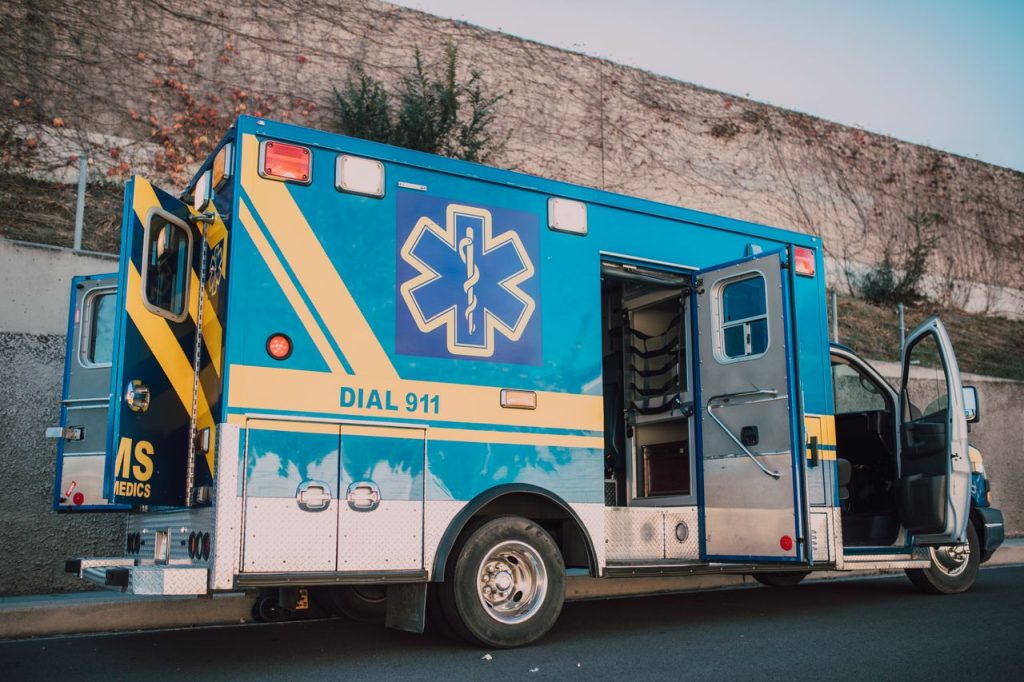
Getting a patient to the right medical facility quickly is one of the most stressful situations any family, company, school, hotel, or care provider can face. In many Nigerian cities, the challenge is not just finding a vehicle. It is finding a safe, reliable, and properly coordinated transport option that can move the patient without unnecessary delay.
Emergency medical transport in Nigeria is needed for different situations. It may be a patient who has to be transferred from a private clinic in Lekki to a specialist hospital in Victoria Island. It may be an elderly parent in Surulere who needs urgent movement to a hospital in Ikeja. It may also be a corporate staff member who falls ill during work hours and needs fast, organized medical mobility.
In these moments, poor coordination can waste valuable time. That is why having a dependable transport partner like Travo.ng can make the process easier, especially when the person booking needs quick action, clear communication, and local route knowledge.
What emergency medical transport usually involves in Nigeria
Emergency medical transport is different from normal taxi or private car hire. The focus is not comfort alone. The priority is speed, patient safety, and proper coordination from pickup point to destination.
Depending on the situation, emergency medical transport may involve:
Patient movement from home to hospital: This is common for sudden illness, weakness, injury, or urgent medical review.
Hospital-to-hospital transfer: Some patients need to move from a smaller clinic to a better-equipped hospital for scans, surgery, intensive care, or specialist attention.
Post-discharge transport: Not every medical transport case is a crisis. Some patients need careful movement home after treatment, surgery, childbirth, or admission.
Corporate and school medical response: Offices, schools, hotels, and event centres may need fast transport support when someone becomes unwell on-site.
For many families, the biggest problem is not knowing who to call first. Travo.ng helps simplify that process by coordinating suitable transport support based on the pickup location, destination, urgency, and patient condition.
Why delays happen during medical movement in Nigerian cities
In Lagos, Abuja, Port Harcourt, Ibadan, and other busy cities, emergency movement can be affected by traffic, road access, poor location details, and lack of planning.
For example, moving a patient from Ajah to Lagos University Teaching Hospital can take much longer if the pickup happens during evening traffic. A trip from Gwarinpa to National Hospital Abuja may also need proper route planning during peak hours. Even when a vehicle is available, delays can happen if the driver cannot locate the address or if the hospital destination is not confirmed early.
Common causes of delay include:
Unclear pickup address: Many homes and estates in Nigeria do not have easy-to-find numbering, so landmarks are important.
Wrong vehicle choice: Some patients cannot be moved safely in a small car or unprepared vehicle.
Late hospital confirmation: It is better to know which hospital is expecting the patient before movement starts.
Poor communication: The person booking, the driver, and the receiving hospital must stay connected.
A reliable emergency medical transport arrangement should reduce confusion, not add to it.
What to check before booking emergency medical transport in Nigeria
Before arranging transport, gather the most important details quickly. This helps the provider respond better and reduces back-and-forth calls.
You should confirm:
The patient’s current condition: Is the person conscious, able to sit, or needing support while lying down?
The exact pickup point: Include street name, estate gate, nearby landmark, and contact person at the location.
The hospital or destination: If the patient is going to a specific hospital, confirm the address and department if possible.
The urgency level: A medical emergency should be treated differently from a planned checkup or post-discharge transfer.
Any special support needed: This may include assistance getting the patient from an upstairs apartment, office building, hotel room, or event venue.
With these details, Travo.ng can help coordinate emergency medical transport in Nigeria more smoothly and reduce avoidable delays.
When businesses and institutions need medical transport support
Emergency medical transport is not only for families. Businesses, schools, religious centres, hotels, construction sites, and event organizers often need access to fast medical mobility.
A hotel in Ikeja may need to move a guest to a nearby hospital. A school in Abuja may need urgent transport for a student. A factory or logistics company may need medical movement for a staff member injured during operations.
In these cases, the organization needs more than a random driver. They need proper coordination, reliable communication, and a transport provider that understands urgency. Travo.ng supports different mobility needs across Nigeria, including transport coordination, airport pickups, vehicle hire, delivery services, and urgent movement requests where speed and reliability matter.
How Travo.ng makes urgent medical movement easier
During a medical emergency, people do not want complicated booking steps. They want someone who can respond quickly, ask the right questions, and arrange practical support.
Travo.ng helps by making the process more organized. The team can assist with transport coordination, route planning, pickup communication, and movement support based on the situation. This is especially useful in busy cities where traffic timing, local road knowledge, and reliable driver communication can affect the outcome.
Emergency medical transport in Nigeria requires calm handling and quick decisions. Whether it is a home pickup, hospital transfer, corporate medical response, or planned patient movement, Travo.ng gives customers a practical way to arrange urgent transport without wasting time searching blindly.
When every minute matters, having a dependable local transport partner can make the situation easier to manage.
