


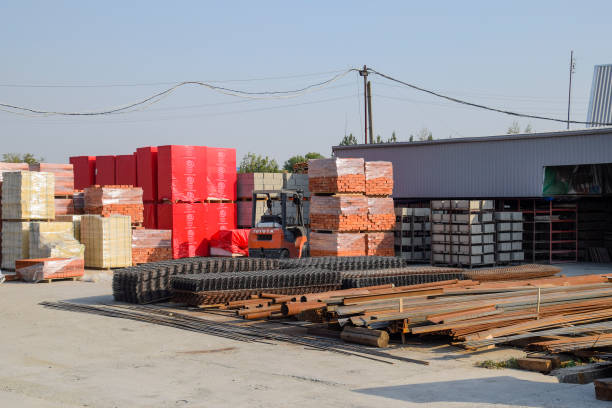
Construction projects rely heavily on the timely movement of materials, equipment, machinery, and personnel. Delays in transportation can disrupt project schedules, increase costs, and reduce productivity. Fleet management for construction logistics provides the visibility, control, and operational intelligence needed to manage vehicles and transportation assets efficiently across construction sites and supply chains.
Whether operating dump trucks, flatbed trailers, water tankers, fuel tankers, staff buses, pickup trucks, or heavy equipment transport vehicles, construction companies can benefit from GPS-enabled fleet management solutions that improve coordination and asset utilization.
What Is Fleet Management for Construction Logistics?
Fleet management is the use of GPS tracking technology, vehicle monitoring systems, and operational analytics to oversee transportation activities within construction operations.
A fleet management solution helps construction businesses:
- Track vehicles in real time
- Monitor equipment transportation
- Manage logistics operations
- Optimize routes
- Improve vehicle security
- Monitor driver activities
- Generate operational reports
These capabilities help ensure materials and resources reach project sites on time.
Why Construction Companies Need Fleet Management
Construction logistics often involve multiple vehicles operating across various locations and projects.
Improved Fleet Visibility
Monitor vehicle locations and activities from a centralized platform.
Better Project Coordination
Track transportation activities supporting construction schedules.
Enhanced Equipment Security
Protect valuable vehicles and transported assets.
Increased Driver Accountability
Monitor vehicle usage and operational performance.
Reduced Operational Delays
Identify transportation issues before they impact project timelines.
Fleet management helps construction firms maintain efficient and reliable logistics operations.
Key Features of Construction Fleet Management
Real-Time GPS Tracking
Monitor vehicle locations through web-based dashboards and mobile applications.
Fleet Visibility Dashboard
View all vehicles and transportation assets from one platform.
Route History and Playback
Review completed trips and analyze transportation activities.
Driver Monitoring
Track vehicle usage and operational performance.
Geofencing
Create project-site boundaries and receive notifications when vehicles enter or leave designated locations.
Security Alerts
Receive notifications regarding unusual vehicle activity and operational events.
Reporting and Analytics
Generate reports covering:
- Fleet utilization
- Vehicle activity
- Route efficiency
- Driver performance
- Operational productivity
Benefits of Fleet Management for Construction Logistics
Improved Operational Efficiency
Coordinate transportation activities more effectively.
Better Asset Utilization
Maximize the productivity of vehicles and equipment.
Enhanced Security
Protect valuable construction vehicles through continuous monitoring.
Reduced Transportation Costs
Improve route planning and fleet utilization.
Increased Accountability
Track vehicle usage and operational activities.
Improved Project Performance
Support timely delivery of materials and resources.
Vehicles Commonly Managed in Construction Logistics
Dump Trucks
Track material transportation and site operations.
Flatbed Trucks
Monitor equipment and machinery transport.
Water Tankers
Manage water supply operations for construction sites.
Fuel Tankers
Track fuel deliveries supporting project activities.
Staff Transportation Vehicles
Monitor employee transportation and shuttle services.
Utility Vehicles
Track support vehicles operating across project locations.
Common Applications of Construction Fleet Management
Construction companies use fleet management systems for:
- Vehicle tracking
- Equipment transportation monitoring
- Driver management
- Route optimization
- Asset security
- Operational reporting
- Logistics coordination
These applications help improve efficiency and maintain project timelines.
Why Choose Travo.ng for Construction Fleet Management?
Modern construction logistics require visibility, intelligence, and operational control.
Travo.ng provides fleet management solutions that help construction businesses:
- Track vehicles in real time
- Improve fleet visibility
- Enhance vehicle security
- Monitor driver performance
- Access route history and analytics
- Generate detailed operational reports
- Manage transportation activities from a centralized platform
With scalable solutions designed for businesses across Nigeria, Travo.ng helps construction companies maintain efficient transportation operations and better project coordination.
How Fleet Management Supports Construction Business Growth
A professional fleet management platform helps businesses:
- Improve logistics efficiency
- Reduce transportation costs
- Increase fleet productivity
- Strengthen asset security
- Improve project delivery performance
- Support long-term business growth
These benefits make fleet management a strategic investment for construction companies.
The Future of Construction Logistics Management
As construction projects become increasingly complex, fleet management technology is helping companies improve visibility, automate transportation oversight, and make smarter operational decisions. Organizations that adopt advanced tracking solutions gain greater efficiency and a competitive advantage in project execution.
Final Thoughts
Fleet management for construction logistics provides the visibility, control, and operational intelligence needed to manage transportation activities effectively. Through real-time GPS tracking, fleet monitoring, route optimization, driver oversight, and reporting tools, construction companies can improve efficiency while reducing costs and enhancing project performance.
For construction businesses seeking advanced fleet management solutions, Travo.ng offers technology designed to support efficient logistics operations, improved fleet visibility, and sustainable business growth.
