


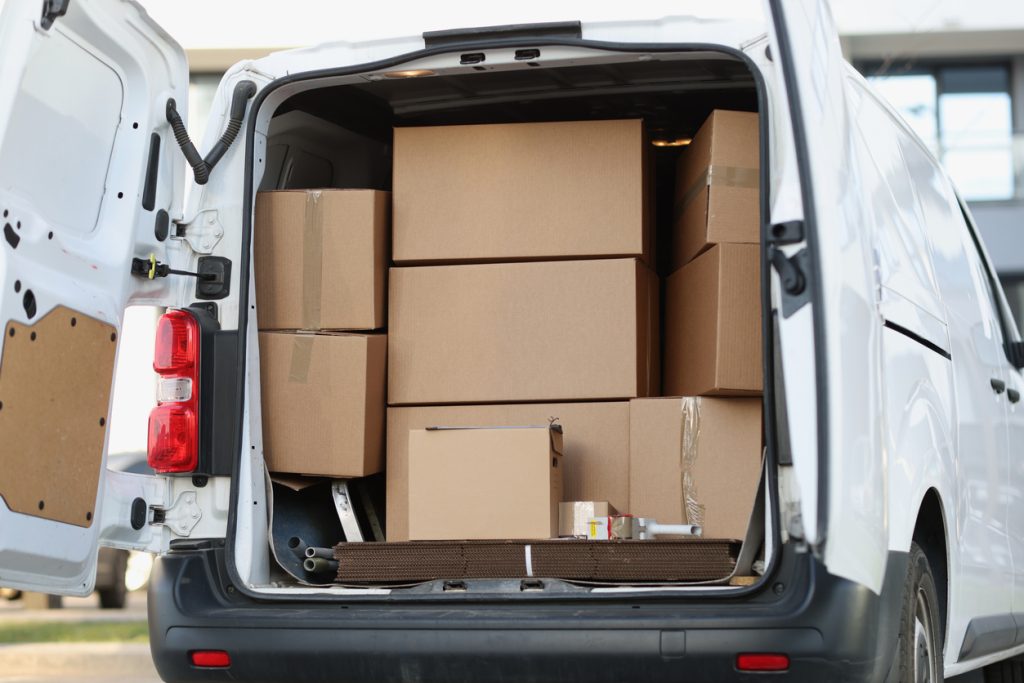
Fleet management for logistics businesses refers to the use of systems, tools, and processes to monitor, control, and optimize all vehicles involved in transportation and delivery operations. It combines GPS tracking, driver management, fuel monitoring, route planning, and maintenance control to improve efficiency and reduce operational costs.
In major logistics hubs like Lagos, effective fleet management is critical due to high delivery demand, traffic congestion, and rising fuel and maintenance costs.
What fleet management in logistics means
It is a system that allows logistics companies to:
- Track delivery vehicles in real time
- Manage drivers and dispatch operations
- Optimize delivery routes
- Reduce fuel consumption and waste
- Monitor vehicle health and maintenance
- Improve customer delivery timelines
Key components of logistics fleet management
1. Real-Time GPS Tracking
- Live monitoring of all delivery vehicles
- Instant visibility of fleet movement
2. Route Optimization
- Planning the fastest and most efficient delivery routes
- Reducing delays caused by traffic or poor planning
3. Driver Management
- Monitoring driver behavior
- Assigning trips and evaluating performance
4. Fuel Management
- Tracking fuel usage per trip
- Detecting fuel theft or inefficiency
5. Maintenance Scheduling
- Preventing breakdowns through scheduled servicing
- Tracking engine health and mileage
6. Delivery and Dispatch Control
- Assigning orders to nearest available vehicles
- Improving last-mile delivery efficiency
Benefits of fleet management for logistics businesses
Improved Delivery Speed
Better route planning reduces delays.
Lower Operating Costs
Reduces fuel waste, repairs, and idle time.
Increased Customer Satisfaction
On-time deliveries improve service quality.
Better Fleet Utilization
Ensures vehicles are used efficiently.
Enhanced Security
Real-time tracking prevents theft and misuse.
Why it is important in Nigeria logistics
In cities like Lagos, logistics companies face:
- Heavy traffic congestion
- Unpredictable delivery delays
- High fuel prices
- Vehicle theft risks
- Poor route infrastructure in some areas
Fleet management systems help overcome these challenges.
Common use cases
Fleet management is used in:
- Courier and parcel delivery companies
- E-commerce logistics businesses
- Haulage and trucking companies
- Cold chain and food delivery services
- Dispatch and last-mile delivery startups
- Corporate logistics operations
Problems solved by fleet management systems
Without proper systems, logistics businesses face:
- Late deliveries
- High fuel consumption
- Poor driver accountability
- Inefficient dispatching
- Lack of fleet visibility
Common mistakes logistics companies make
- Using GPS tracking without full fleet management tools
- Poor route planning and dispatch coordination
- Ignoring driver behavior analytics
- Not maintaining vehicles regularly
- Failing to use data for decision-making
Integration with logistics systems
Fleet management systems integrate with:
- Transport Management Systems (TMS)
- Warehouse management systems
- E-commerce order platforms
- Fuel monitoring systems
- Mobile delivery apps
- Customer tracking portals
How Travo.ng supports logistics fleet management
Modern logistics businesses require smart, scalable systems.
Travo.ng supports logistics companies through:
- Real-time fleet tracking and monitoring systems
- Route optimization and dispatch intelligence
- Driver behavior and fuel analytics
- Geofencing and delivery control tools
- Logistics dashboards and performance reports
- End-to-end fleet management solutions across Nigeria
Final thoughts
Fleet management is the backbone of any successful logistics business. It improves efficiency, reduces costs, enhances security, and ensures timely deliveries.
In high-demand environments like Lagos, it is essential for scaling logistics operations and staying competitive.
