


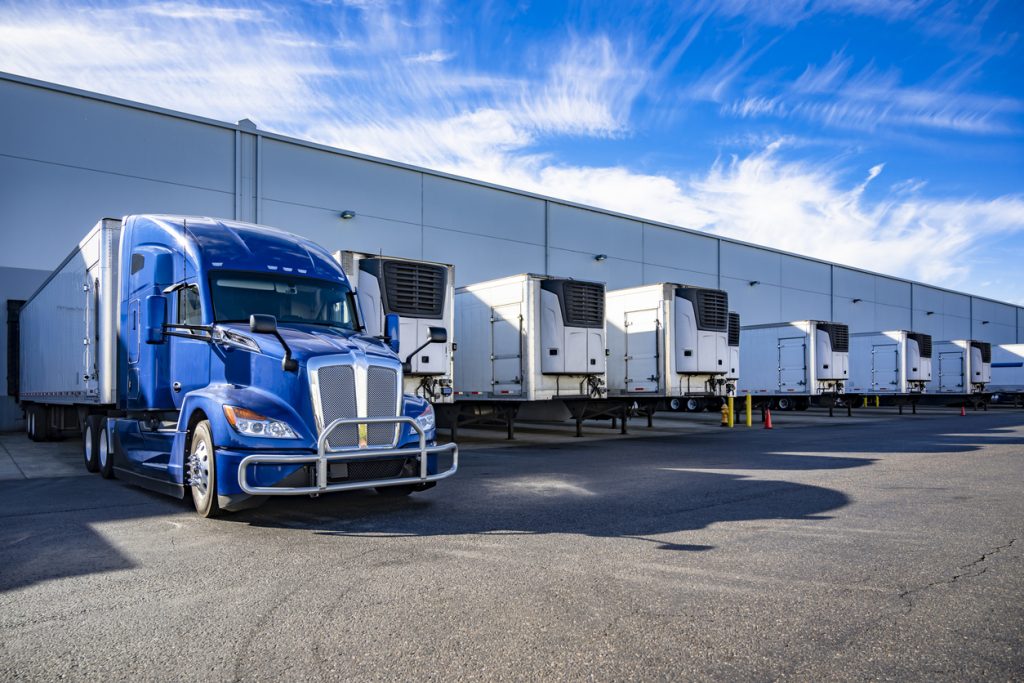
Moving industrial cargo across West Africa is not the same as sending a regular parcel from Lagos to Abuja. Heavy equipment, factory machines, construction materials, oilfield supplies, mining tools, and oversized project cargo all require careful planning, the right truck, route knowledge, border documentation, and reliable coordination from pickup to delivery.
That is why businesses looking for industrial haulage services in West Africa need more than just “a truck available today.” They need a logistics partner that understands Nigerian roads, regional trade routes, port delays, border checks, loading requirements, and how one small mistake can hold up an entire project.
Travo.ng supports businesses with practical haulage, cargo logistics, transport coordination, and delivery solutions designed for real operating conditions across Nigeria and the wider West African market.
Moving Industrial Cargo Is Different From Normal Transport
Industrial haulage usually involves cargo that is heavy, sensitive, expensive, or difficult to handle. This could include:
- Generators and transformers
- Factory machines
- Construction equipment
- Steel materials and pipes
- Agricultural processing machines
- Oil and gas equipment
- Warehouse stock and bulk supplies
- Mining and engineering tools
- Project cargo for remote sites
Unlike ordinary deliveries, these movements often require flatbed trucks, low-bed trailers, cranes, forklifts, escort vehicles, or special loading arrangements. A machine going from Lagos to Accra, for example, may need port pickup, customs documentation, truck inspection, border coordination at Seme or Aflao, and delivery scheduling with the receiving warehouse.
When these details are ignored, businesses face extra costs, delays, damage, or disputes with drivers and transporters.
Common West African Haulage Routes Businesses Use
Many industrial movements in the region start or pass through Nigeria because of its ports, manufacturing hubs, and commercial cities. Some common routes include:
- Lagos to Abuja for government, construction, and corporate projects
- Lagos to Kano for manufacturing, trade, and warehouse distribution
- Lagos to Port Harcourt for oil, gas, and marine-related cargo
- Lagos to Accra through Benin and Togo
- Lagos to Abidjan for regional trade and project supply
- Onne Port to industrial sites in Rivers, Imo, Abia, and Akwa Ibom
- Apapa or Tin Can Port to factories in Ogun, Oyo, and Lagos
For cross-border haulage, timing is very important. A truck may move quickly within Lagos at night, but still lose several hours at checkpoints, weighbridges, border control points, or customs processing areas. Proper planning helps reduce these delays.
What It May Cost to Move Heavy Cargo
Industrial haulage pricing in West Africa depends on several factors. There is no single fixed rate because the cost changes based on:
- Cargo weight and dimensions
- Type of truck required
- Loading and offloading equipment
- Distance and route condition
- Cross-border documentation
- Waiting time at port, factory, or border
- Escort or security needs
- Fuel cost and driver allowance
- Urgency of the movement
For example, moving a full truckload from Lagos to Abuja will not cost the same as moving an oversized machine from Lagos to Ghana. A local factory delivery within Ogun State may only require a covered truck or flatbed, while a regional industrial shipment may need a low-bed trailer, permits, and customs coordination.
With Travo.ng, businesses can request proper transport coordination instead of guessing costs from random truck contacts. This helps reduce surprises during the job.
Mistakes Companies Make When Booking Industrial Haulage
One common mistake is booking the cheapest available truck without checking whether it is suitable for the cargo. A weak truck, poor strapping, or inexperienced driver can damage expensive machinery.
Another mistake is failing to confirm the exact cargo dimensions before dispatch. If the truck arrives and the machine is wider, taller, or heavier than expected, the business may pay extra waiting charges or need to restart the booking.
Businesses also lose time when they do not prepare loading equipment. If a forklift or crane is not available at pickup, the truck may wait for hours. For interstate and cross-border haulage, documentation delays can also hold the cargo longer than planned.
Before booking, always confirm:
- Cargo weight and size
- Pickup and delivery addresses
- Truck type needed
- Loading and offloading method
- Required permits or documents
- Expected delivery timeline
- Contact person at both locations
These simple checks can save a business from expensive operational delays.
How Travo.ng Helps With Industrial Haulage Planning
Travo.ng provides logistics and transport coordination for businesses that need dependable movement of cargo across Nigeria and West Africa. The focus is not just to find a truck, but to help customers plan the movement properly.
Depending on the job, Travo.ng can assist with:
- Industrial cargo movement
- Interstate haulage
- Courier and delivery services
- Business logistics support
- Transport coordination
- Relocation logistics
- Cargo movement from ports, warehouses, or factories
- Vehicle hire for project operations
For companies moving goods from Lagos to Abuja, Port Harcourt, Kano, Accra, or other West African locations, this kind of support makes the process easier to manage.
When Businesses Should Book Haulage Early
For small deliveries, same-day movement may be possible. For industrial haulage, early booking is always better.
Book ahead if:
- The cargo is oversized
- The delivery is going across borders
- The goods are needed for a project deadline
- Loading equipment must be arranged
- The route requires special planning
- The cargo is moving from a port or industrial estate
- Multiple trucks are needed
During peak business periods, festive seasons, rainy months, or port congestion, truck availability can become tighter. Early planning helps secure the right vehicle and avoid last-minute price increases.
A Practical Way to Move Industrial Cargo Across West Africa
Industrial haulage services in West Africa require experience, patience, and local understanding. Roads vary, border processes can change, and cargo handling must be done carefully. Businesses cannot afford to treat heavy cargo movement like a casual delivery job.
Whether you are moving machinery from Lagos to Ghana, construction materials to Abuja, factory equipment to Ogun State, or project cargo to another West African country, Travo.ng gives you a practical way to plan, book, and coordinate the movement.
For reliable industrial haulage, cargo logistics, delivery services, and transport support across Nigeria and West Africa, Travo.ng is built to help businesses move with less stress and better control.
