


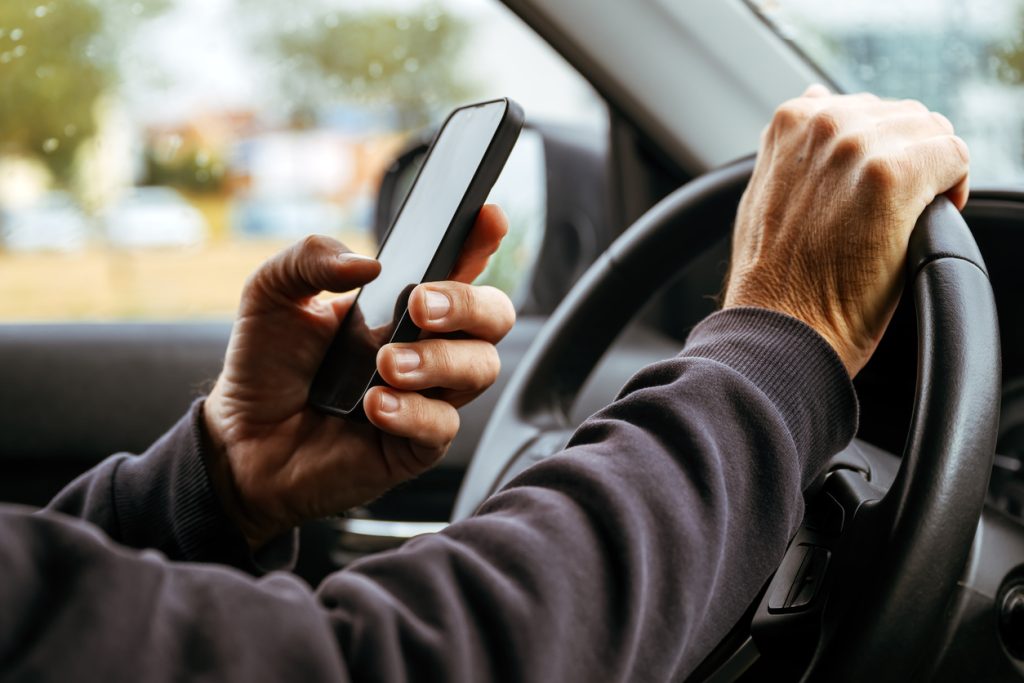
Employee driver monitoring in Nigeria refers to the use of GPS tracking systems and telematics tools to supervise how company-employed drivers operate vehicles. It focuses not only on where a vehicle is, but also how it is being driven—speed, route discipline, stops, and overall behavior.
In fast-moving business environments like Lagos, where companies rely heavily on field logistics, sales mobility, and delivery operations, driver monitoring has become a core part of fleet management and corporate control.
What employee driver monitoring actually means
Employee driver monitoring is a system that tracks and evaluates driver activity using GPS devices, sensors, and software dashboards.
It helps businesses:
- Track driver location in real time
- Monitor driving behavior and habits
- Ensure compliance with company routes and policies
- Reduce unsafe driving practices
- Improve fuel efficiency and vehicle usage
- Increase accountability for employee drivers
It goes beyond tracking location—it measures performance.
Why driver monitoring is important in Nigeria
Many companies struggle with controlling how employees use company vehicles.
Common challenges include:
- Overspeeding and unsafe driving behavior
- Unauthorized routes or detours
- Fuel misuse and inefficiency
- Poor time management on assignments
- Lack of visibility on driver activity
- Disputes over vehicle usage
Monitoring systems help address these issues with real-time data.
How employee driver monitoring systems work
Modern systems combine GPS tracking with advanced telematics.
A typical setup includes:
- GPS tracker installed in the vehicle
- Mobile or web dashboard for fleet managers
- Real-time data transmission via mobile networks
- Alerts for speeding, harsh braking, or idling
- Trip history and driving reports
Some systems also include fuel sensors and engine diagnostics.
Key features of employee driver monitoring systems
A strong monitoring system provides detailed insights beyond location.
Important features include:
- Live vehicle tracking
- Speed monitoring and alerts
- Harsh braking and acceleration detection
- Route history and deviation alerts
- Idle time tracking
- Driving scorecards and performance reports
- Geofencing for approved zones
These features help evaluate driver behavior objectively.
How monitoring improves driver safety
Safety is one of the biggest benefits of driver monitoring.
It helps companies:
- Reduce reckless driving incidents
- Encourage compliance with speed limits
- Identify risky driving patterns early
- Improve driver training and coaching
- Lower accident rates across fleets
This creates a safer working environment for drivers and the public.
Fuel efficiency and cost control benefits
Fuel and maintenance costs are major concerns for fleet operators.
Monitoring helps reduce costs by:
- Preventing fuel theft or misuse
- Reducing unnecessary idling
- Optimizing driving routes
- Encouraging efficient driving habits
- Minimizing wear and tear on vehicles
Over time, this leads to significant operational savings.
Security benefits of driver monitoring
Driver monitoring also improves asset security.
It provides:
- Real-time vehicle visibility
- Alerts for unauthorized movement
- Faster response in case of theft
- Monitoring of after-hours usage
- Better control over company assets
This reduces risk and improves recovery chances.
Common problems solved by driver monitoring
Without monitoring systems, companies often face:
- Poor driver accountability
- Frequent fuel and time wastage
- Unsafe driving practices
- Lack of proof for field operations
- Inefficient fleet management
Monitoring systems help eliminate these inefficiencies.
How employee driver monitoring improves operations in Lagos
In a high-traffic business environment like Lagos, efficiency depends heavily on driver discipline and route control.
Monitoring helps companies:
- Improve delivery and service timing
- Reduce delays caused by poor driving habits
- Optimize fleet movement across the city
- Improve coordination between departments
- Increase customer satisfaction through reliability
This leads to stronger overall business performance.
Driver performance evaluation and reporting
One of the most powerful aspects of monitoring is performance analytics.
Companies can:
- Assign driving scores to employees
- Compare driver efficiency across teams
- Identify high-risk drivers
- Improve training programs
- Make data-driven staffing decisions
This turns driving behavior into measurable performance data.
Common mistakes companies make
Some organizations fail to fully benefit from monitoring systems.
Common mistakes include:
- Ignoring driver behavior reports
- Not acting on speeding or safety alerts
- Poor onboarding and training of drivers
- Using tracking only for location monitoring
- Not setting clear driving policies
Effective management is key to success.
Integration with fleet management systems
Employee driver monitoring can integrate with:
- Fleet management platforms
- Fuel monitoring systems
- HR and performance systems
- Logistics and dispatch tools
- Maintenance scheduling systems
This creates a complete vehicle and workforce management ecosystem.
How Travo.ng supports employee driver monitoring solutions
Effective driver monitoring requires both technology and operational support.
Travo.ng supports businesses through:
- Real-time driver monitoring and fleet tracking
- Logistics and mobility coordination across Nigeria
- Vehicle performance and route optimization tools
- Fleet management and reporting systems
- Business transport operation support
This helps companies improve safety, efficiency, and accountability across their fleets.
Final thoughts
Employee driver monitoring in Nigeria is essential for companies that rely on staff-driven vehicles. It improves safety, reduces costs, enhances accountability, and provides full visibility into how drivers operate company assets.
In busy cities like Lagos, where traffic and operational demands are high, monitoring systems help businesses maintain control, improve efficiency, and ensure safer driving standards.
