


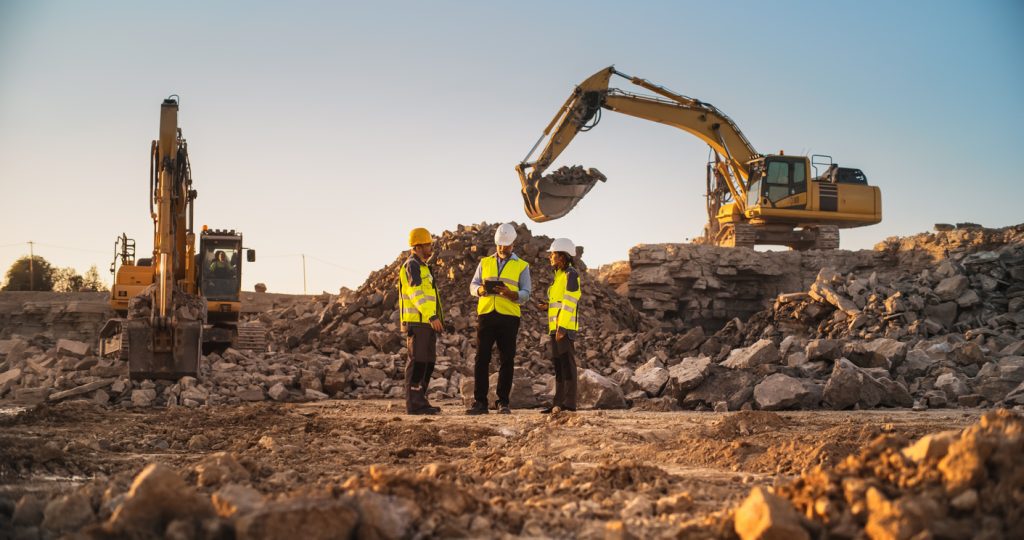
A bulldozer tracking system in Nigeria is a GPS-based monitoring solution used by construction companies to track, manage, and secure bulldozers in real time. Because bulldozers are high-value machines often used across multiple construction sites, they are frequently exposed to misuse, unauthorized movement, and theft—especially on large or open job sites.
In fast-growing construction areas like Lagos, where road construction, estate development, and industrial projects run simultaneously, bulldozer tracking has become a core part of modern equipment management.
Why bulldozers need tracking in Nigeria
Bulldozers are not just expensive—they are also highly mobile and often shared across multiple projects. Without tracking, it becomes difficult to maintain control over usage and location.
Common challenges include:
- Bulldozers moved between sites without approval
- Unauthorized night-time operation
- Equipment theft or disappearance from job sites
- Poor operator accountability
- Delays in returning machines after deployment
- Lack of visibility on idle or inactive equipment
These issues can cause serious project delays and financial losses.
What a bulldozer tracking system actually does
A bulldozer tracking system uses a GPS device installed on the machine to provide continuous visibility and control.
It allows construction companies to:
- Track bulldozer location in real time
- Monitor movement between job sites
- Set geofenced boundaries for approved zones
- Receive alerts for unauthorized movement
- View usage history and operational activity
- Improve equipment accountability across projects
It transforms heavy machinery into a fully monitored asset.
How bulldozer tracking systems work
The system combines GPS hardware with mobile network connectivity and a tracking platform.
Here’s how it works:
- A rugged GPS tracker is installed on the bulldozer
- The device connects to satellites for location data
- Data is transmitted through GSM or cellular networks
- Fleet managers access live updates via app or dashboard
- Alerts are triggered for movement outside approved zones
The system runs continuously with minimal manual input.
Best installation points on bulldozers
Proper installation ensures both performance and security.
Common installation locations include:
- Inside the engine compartment
- Near the hydraulic system housing
- Under protective metal panels
- Inside control or electrical compartments
The device is usually hidden to prevent tampering or removal.
Key benefits of bulldozer tracking systems
Tracking provides both operational and security advantages.
Benefits include:
- Real-time machine location visibility
- Reduced risk of theft or unauthorized use
- Improved coordination across multiple construction sites
- Better scheduling of heavy equipment
- Reduced idle time and misuse
- Faster recovery in case of theft
For contractors managing multiple projects, visibility is critical.
Bulldozer tracking for construction site management
On active construction sites, bulldozers are often used for clearing, grading, and earthmoving tasks.
Tracking helps site managers:
- Assign machines to specific tasks efficiently
- Monitor productivity during working hours
- Prevent equipment overlap or misuse
- Track operational hours for maintenance planning
- Improve site workflow and coordination
This leads to better project efficiency and reduced downtime.
Security risks without tracking systems
Without bulldozer tracking, construction companies face several risks.
These include:
- Equipment theft from unsecured sites
- Unauthorized overnight usage
- Misplacement of machines between projects
- Lack of accountability among operators
- Delays in reporting missing equipment
These risks are more common on large or multi-site projects.
How bulldozer tracking improves operations in Lagos
In a high-demand construction environment like Lagos, bulldozers are often deployed across multiple locations within short periods.
Tracking helps companies:
- Monitor equipment movement across sites
- Improve scheduling and dispatching
- Reduce delays in project execution
- Enhance coordination between teams
- Maintain tighter control over assets
This results in smoother and more predictable construction workflows.
Common mistakes with bulldozer tracking systems
Some companies fail to get full value from tracking systems due to poor implementation.
Common mistakes include:
- Poor installation leading to weak signal or failure
- Using non-industrial-grade trackers
- Ignoring alerts and system notifications
- Not integrating tracking into daily site operations
- Failing to monitor reports regularly
Proper setup and active monitoring are essential for success.
Integration with broader fleet and construction systems
Bulldozer tracking becomes more powerful when integrated into overall fleet management.
This allows companies to:
- Track bulldozers alongside trucks and other equipment
- Coordinate transport of machinery between sites
- Monitor fuel usage and operating hours
- Improve logistics planning for construction projects
- Manage multiple assets from one system
How Travo.ng supports bulldozer tracking solutions
Effective equipment tracking requires both technology and operational coordination.
Travo.ng supports construction companies through:
- GPS tracking and fleet visibility systems
- Logistics coordination for heavy equipment movement
- Transport and deployment support across Nigeria
- Operational planning for construction projects
- Mobility solutions for industrial and construction operations
This helps contractors maintain full control over equipment across multiple sites.
Final thoughts
A bulldozer tracking system in Nigeria is no longer optional for serious construction operators. It provides real-time visibility, improves security, reduces operational losses, and ensures better control over heavy equipment across job sites.
In fast-growing construction environments like Lagos, tracking systems are becoming a standard requirement for efficient, secure, and well-managed project execution.
