


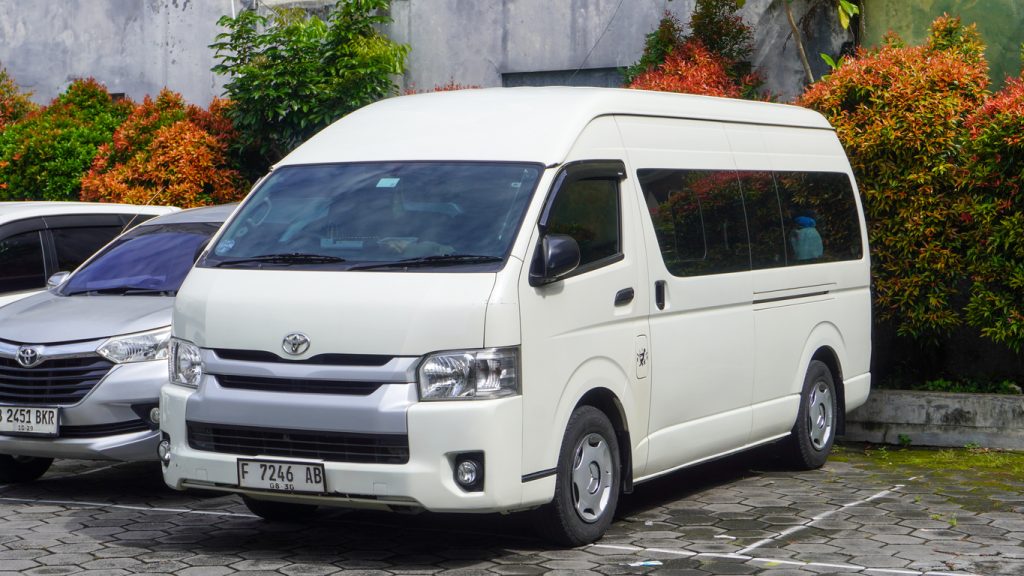
An online vehicle tracking dashboard in Nigeria is the control center where businesses monitor all their vehicles, drivers, and deliveries in real time from a phone or computer. Instead of switching between calls, messages, and manual updates, everything shows up on one live map with full operational data.
In fast-moving commercial environments like Lagos, where logistics, delivery, and transport operations run daily across heavy traffic routes, online dashboards have become the standard way to manage fleets efficiently.
What an online vehicle tracking dashboard actually does
A tracking dashboard is not just a map. It is a full operational command system for vehicles.
It allows businesses to:
- View all vehicles on a live map in real time
- Track movement, stops, and routes instantly
- Assign and dispatch vehicles to tasks
- Monitor driver behavior and performance
- Reduce fuel waste and unauthorized usage
- Generate reports for business decisions
It gives a complete picture of what is happening across the fleet at any moment.
How an online vehicle tracking dashboard works
The system connects GPS devices in vehicles to a central online platform.
Here’s the process:
- Each vehicle has a GPS tracking device installed
- The device collects location data using satellites
- Data is transmitted through GSM or internet networks
- The online dashboard displays all vehicles in real time
- Managers can log in from phone, tablet, or computer
Some dashboards also include alerts, analytics, and automation tools.
Why businesses in Nigeria rely on tracking dashboards
In Nigeria, especially in logistics-heavy cities, manual tracking is not efficient.
Dashboards help businesses:
- Reduce delays caused by poor communication
- Monitor multiple vehicles at once
- Improve delivery planning and dispatching
- Prevent fuel theft and unauthorized trips
- Increase accountability among drivers
- Make faster operational decisions
In cities like Lagos, this level of control is critical.
Key features of a good vehicle tracking dashboard
A proper system should go beyond simple GPS dots on a map.
Important features include:
- Real-time vehicle tracking map
- Multi-vehicle fleet overview
- Route history and playback
- Geofencing alerts for depots and delivery zones
- Driver behavior monitoring (speeding, stops, idling)
- Trip reports and analytics
- Mobile and desktop access
These features turn tracking into full fleet management.
What businesses use tracking dashboards for
Online dashboards are used across many industries in Nigeria.
Common users include:
- Logistics and courier companies
- E-commerce delivery businesses
- Construction and transport companies
- FMCG and distribution firms
- Corporate organizations managing staff transport
- Field service and sales teams
Even small businesses with a few vehicles benefit from visibility.
Common problems without a tracking dashboard
Without a centralized system, fleet management becomes chaotic.
Typical issues include:
- No clear visibility of vehicle locations
- Late or missed deliveries
- Fuel misuse without accountability
- Poor coordination between dispatch and drivers
- Difficulty tracking multiple vehicles at once
- Lack of performance data for decision-making
These problems often lead to hidden operational losses.
How dashboards improve logistics operations in Lagos
In a busy city like Lagos, where traffic and timing affect delivery success, dashboards improve efficiency significantly.
They help businesses:
- Assign the nearest available vehicle for tasks
- Track delivery progress live
- Adjust routes based on traffic conditions
- Reduce idle time and delays
- Improve customer delivery accuracy
This results in smoother and more reliable operations.
Mistakes businesses make with tracking dashboards
Many companies install dashboards but don’t use them properly.
Common mistakes include:
- Ignoring real-time alerts and notifications
- Not training staff to use the system
- Using low-quality tracking devices
- Poor installation causing weak signals
- Not reviewing reports for decision-making
A dashboard only works when actively used in daily operations.
How Travo.ng supports vehicle tracking dashboard systems
Online tracking dashboards become more effective when connected to real logistics planning and execution.
Travo.ng supports businesses by helping coordinate:
- Vehicle movement for installation and servicing
- Logistics planning for fleet operations across Nigeria
- Transport coordination for deliveries and cargo
- Mobility support for tracking-enabled business systems
This helps businesses connect digital tracking with real-world logistics execution.
Final thoughts on online vehicle tracking dashboards in Nigeria
An online vehicle tracking dashboard is now a core tool for modern transport and logistics businesses. It provides real-time visibility, improves coordination, and helps reduce operational losses.
In fast-paced environments like Lagos, where efficiency and timing matter, dashboards are no longer optional—they are essential for managing fleets effectively.
