


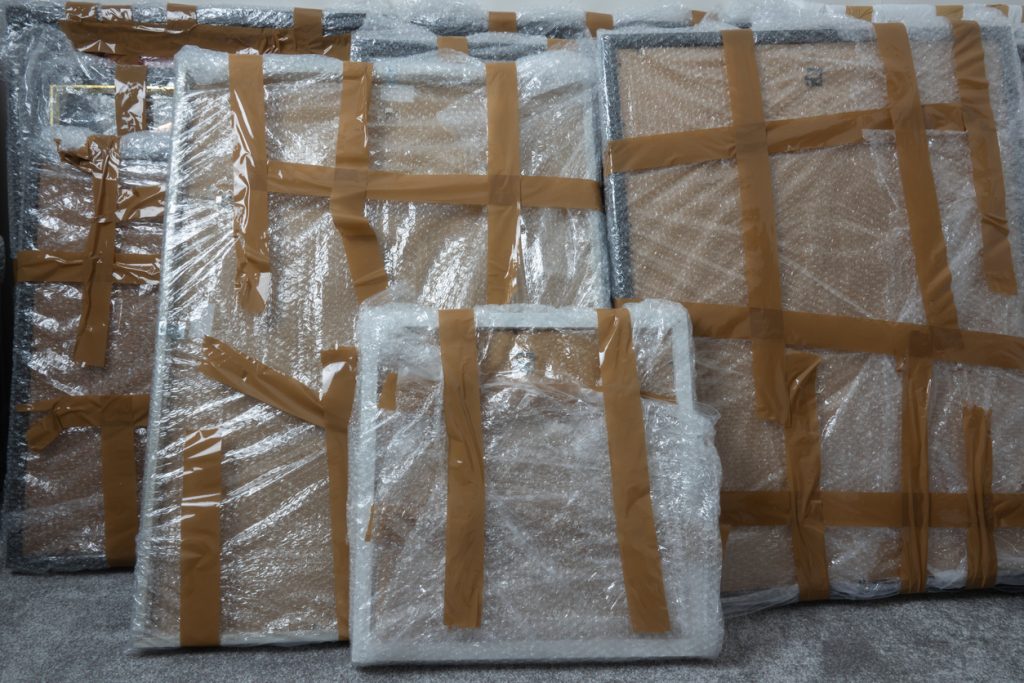
Packaging integrity inspection for commodity exports is one of those checks that often looks simple on paper but carries serious financial consequences when ignored. In agricultural and mineral exports, the packaging is not just a container—it is the last layer protecting quality, weight accuracy, and compliance before goods leave the country.
For exporters moving goods through consolidation points in Lagos, packaging integrity is often the difference between a smooth shipment and costly rejection at inspection or destination ports.
Why packaging integrity is treated as a compliance requirement, not a formality
Many exporters assume packaging inspection is just about checking sacks or cartons, but in export systems it is part of quality assurance and traceability.
It is important because it:
- Protects commodities from contamination and moisture
- Maintains accurate shipment weight during transit
- Prevents product loss through tears or leakage
- Supports international trade compliance requirements
- Ensures goods arrive in acceptable condition
Once packaging fails in transit, even perfect quality inside the bag becomes irrelevant.
What packaging integrity inspection actually checks
A proper inspection is a structured evaluation of whether packaging can survive handling, storage, and shipping conditions.
Inspectors typically assess:
- Strength and durability of packaging materials
- Seal quality and closure effectiveness
- Resistance to tearing, leakage, or breakage
- Uniformity across all packaged units
- Correct labeling and batch identification
- Protection against moisture and external contamination
Each point directly affects shipment reliability.
Why packaging failures are common in commodity exports
Packaging problems are not always caused by low-quality materials—they often come from handling practices and operational pressure.
Common causes include:
- Use of non-export-grade sacks or liners
- Overfilled or underfilled bags affecting stability
- Rough handling during loading and transport
- Poor stacking in warehouses or containers
- Exposure to rain or humidity during movement
- Inconsistent packaging standards across batches
These issues are especially visible in high-volume export flows moving through Lagos.
How packaging integrity affects commodity quality
Even when the internal product is high quality, poor packaging can degrade it quickly.
Consequences include:
- Moisture absorption leading to mold or spoilage
- Contamination from dust or foreign materials
- Loss of weight due to leakage or spillage
- Reduced shelf life during long-distance shipping
- Downgrading of commodity grade at inspection
In agricultural exports, packaging failure often leads to quality failure by default.
The link between packaging and export inspection outcomes
Packaging integrity is closely tied to other export compliance checks.
It directly influences:
- Pre-shipment inspection results
- Commodity lab testing outcomes (due to contamination risk)
- Weight verification and tally accuracy
- Certification approval processes
- Customs clearance documentation
If packaging fails, other certifications may also be questioned.
Common packaging defects that trigger shipment delays
Small defects often create big problems during inspection or loading.
Typical issues include:
- Torn or weakened sacks
- Improper sealing or stitching
- Incorrect or missing labels
- Mixed grades in the same packaging batch
- Moisture-damaged packaging materials
- Inconsistent weight per unit
These defects are often flagged during final inspection before loading.
Why integrity checks are critical before loading operations
Once goods are loaded into containers or vessels, correcting packaging issues becomes expensive and time-consuming.
Pre-loading inspection helps:
- Identify defective packaging early
- Prevent cargo rejection at port terminals
- Reduce repacking and handling costs
- Ensure proper stacking and container safety
- Avoid disputes over damaged goods
This step is often the last opportunity to fix problems before shipment becomes irreversible.
Packaging integrity in agricultural vs mineral exports
While the principle is the same, risks differ depending on commodity type.
For agricultural goods:
- Moisture protection is critical
- Pest and contamination prevention is essential
- Breathability and storage conditions matter
For mineral exports:
- Weight stability and containment are key
- Leakage of fine particles must be prevented
- Packaging must withstand heavy mechanical handling
Each sector requires tailored packaging standards.
Why exporters lose money when packaging is ignored
Packaging issues may look minor, but they create major financial losses.
Common consequences include:
- Shipment rejection or downgrading
- Repacking costs at warehouse or port
- Cargo loss during transit
- Insurance disputes over damaged goods
- Delayed payments from buyers
- Reduced buyer confidence for future contracts
In bulk exports, even small losses per bag scale into large financial impact.
How exporters improve packaging integrity standards
Experienced exporters treat packaging as a controlled process, not an afterthought.
Best practices include:
- Using certified export-grade packaging materials
- Standardizing packaging weight and sealing methods
- Conducting pre-loading inspections for every batch
- Training warehouse staff on handling procedures
- Separating grades and batches clearly
- Inspecting packaging at multiple stages of the supply chain
These practices significantly reduce shipment risk.
How Travo.ng supports packaging and export logistics
Packaging integrity is not only about materials—it is also about how goods are handled, transported, and delivered to inspection points without damage.
Travo.ng supports exporters by coordinating:
- Safe transportation of packaged commodities between warehouses and ports
- Timely delivery schedules that reduce rushed handling
- Logistics flow that minimizes repeated loading and unloading
- Movement planning aligned with inspection and export timelines
When logistics are properly managed, packaging integrity is easier to maintain throughout the export process.
When packaging becomes the final checkpoint before export approval
Packaging integrity inspection is the last physical verification before commodities enter international trade channels. It ensures that everything prepared during grading, testing, and storage is preserved all the way to shipment.
Exporters who maintain strong packaging standards consistently experience fewer delays, smoother inspections, and stronger trust from global buyers.
