


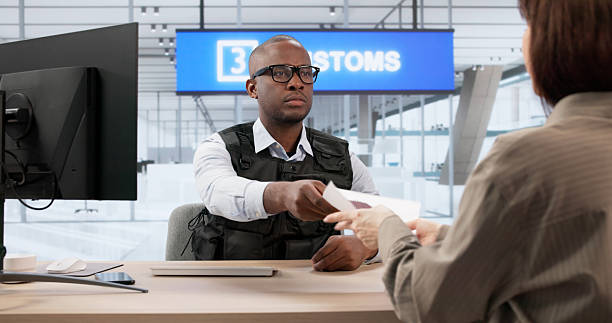
Customs enforcement action in Nigeria refers to the legal and operational measures taken by the Nigeria Customs Service (NCS) to ensure compliance with import and export laws. These actions are carried out at major entry points such as Apapa Port, Tin Can Island Port, and Lekki Deep Sea Port to prevent illegal trade, protect revenue, and secure the Nigerian market from prohibited or counterfeit goods.
In simple terms, it is what Customs does when importers or shipments break trade rules.
What Triggers Customs Enforcement Action in Nigeria
Customs enforcement actions are usually triggered by:
- Import of prohibited or restricted goods
- Suspected counterfeit or trademark-infringing products
- False declaration of goods or undervaluation
- Smuggling or concealment of cargo
- Non-payment or underpayment of import duties
- Missing regulatory approvals (SON, NAFDAC, etc.)
- Inconsistencies in import documentation
Types of Customs Enforcement Actions in Nigeria
1. Cargo Examination
Customs physically inspects goods to verify:
- Product type
- Quantity
- Quality
- Compliance with declarations
2. Cargo Detention
Goods are temporarily held when:
- Documents are incomplete
- Suspicious activity is detected
- Further investigation is required
3. Cargo Seizure
Cargo is permanently confiscated when:
- Goods are illegal or counterfeit
- Serious violations are confirmed
- Intellectual property rights are breached
4. Demand Notices and Penalties
Customs may issue:
- Additional duty assessments
- Fines for undervaluation or misdeclaration
- Penalty charges for non-compliance
5. Arrest and Investigation
In serious cases, enforcement may include:
- Arrest of involved individuals
- Investigation of import networks
- Legal prosecution for violations
6. Cargo Auction or Destruction
Seized goods may be:
- Auctioned by government (where applicable)
- Destroyed if counterfeit or harmful
- Retained as evidence in legal cases
Agencies Involved in Enforcement Actions
Nigeria Customs Service (NCS)
Main enforcement authority responsible for border control and import regulation.
Standards Organisation of Nigeria (SON)
Handles product quality standards and certification compliance.
National Agency for Food and Drug Administration and Control (NAFDAC)
Regulates food, drugs, cosmetics, and health-related imports.
Intellectual Property Rights Holders
Brands may participate in identifying counterfeit goods.
Common Goods Affected by Enforcement Actions
- Counterfeit electronics
- Fake fashion and luxury items
- Unregistered pharmaceuticals
- Substandard cosmetics
- Misdeclared industrial goods
- Restricted or prohibited imports
Impact of Customs Enforcement Actions on Importers
1. Financial Loss
- Cargo may be seized or heavily penalized
- Additional demurrage and storage charges
2. Supply Chain Disruption
- Delays in product availability
- Interrupted distribution schedules
3. Legal and Regulatory Risk
- Fines or prosecution
- Increased scrutiny on future shipments
4. Business Reputation Damage
- Loss of trust from customers and partners
- Reduced credibility with suppliers
How Customs Detect Violations
1. Risk Profiling Systems
Customs uses data analysis to flag suspicious shipments.
2. Physical Inspection
Cargo is opened and inspected at ports.
3. Documentation Checks
Authorities compare declared and actual shipment details.
4. Intelligence Reports
Information from agencies and brand owners helps identify illegal imports.
How to Avoid Customs Enforcement Actions
1. Accurate Documentation
Ensure consistency across:
- Invoice
- Packing list
- Bill of lading
- Customs declaration
2. Use Verified Suppliers
- Work with legitimate manufacturers
- Avoid unknown or suspicious sources
3. Proper Product Classification
- Use correct HS codes
- Declare accurate product descriptions
4. Regulatory Compliance
- Obtain SON or NAFDAC approvals where required
- Follow import guidelines strictly
5. Conduct Pre-Shipment Inspections
- Verify goods before export from origin country
- Confirm authenticity and compliance
Role of Logistics in Compliance
Efficient logistics reduces the risk of enforcement actions by ensuring proper handling and documentation throughout the supply chain.
Travo.ng supports businesses through:
- Cargo pickup from Apapa, Tin Can, and Lekki ports
- Nationwide transportation services
- Interstate logistics coordination
- Commercial cargo delivery
- Distribution support for businesses
- Last-mile delivery solutions
Reliable logistics systems improve visibility and reduce compliance errors.
Final Insight
Customs enforcement actions in Nigeria are essential for regulating trade, protecting the economy, and preventing illegal imports. While these actions can disrupt businesses, they are avoidable through proper documentation, supplier verification, and regulatory compliance. Importers who maintain transparency and follow procedures reduce the risk of detention, seizure, and penalties.
