


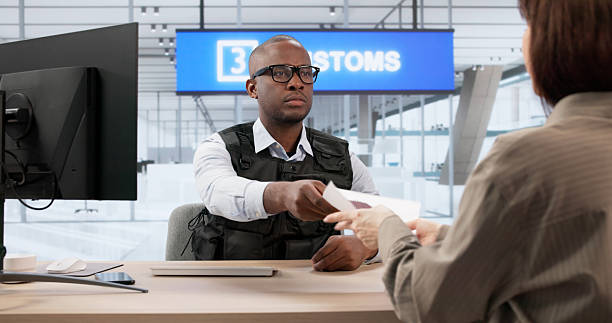
Authenticity verification in Nigeria refers to the process of confirming that imported or locally sourced products are genuine, authorized, and produced by legitimate manufacturers. This process is essential for businesses seeking to avoid counterfeit goods, intellectual property violations, quality issues, and regulatory complications.
As international trade continues to grow, authenticity verification has become a critical part of supply chain management for importers, distributors, retailers, and manufacturers operating in Nigeria.
What Is Authenticity Verification?
Authenticity verification involves examining products, documents, suppliers, and supporting records to confirm that goods are genuine and not counterfeit, altered, or misrepresented.
The objective is to ensure that products entering the Nigerian market match the claims made by manufacturers, suppliers, and exporters.
Why Authenticity Verification Is Important
Authenticity verification helps businesses:
- Prevent counterfeit product purchases
- Protect brand reputation
- Reduce financial losses
- Improve customer confidence
- Ensure regulatory compliance
- Avoid intellectual property disputes
- Maintain product quality standards
Without proper verification procedures, businesses may unknowingly import fake or unauthorized goods.
Common Products Requiring Authenticity Verification
Electronics
Electronic products often require verification due to the high volume of counterfeit items in global markets.
Examples include:
- Mobile phones
- Chargers
- Batteries
- Computer accessories
Pharmaceuticals
Verification is critical for:
- Medicines
- Medical devices
- Healthcare products
- Health supplements
Cosmetics
Authenticity checks help identify:
- Fake skincare products
- Counterfeit perfumes
- Unauthorized beauty products
Fashion and Apparel
Verification helps confirm:
- Genuine branded clothing
- Authentic footwear
- Original accessories
Automotive Parts
Businesses often verify:
- Spare parts
- Engine components
- Industrial equipment
Common Risks of Failing to Verify Authenticity
Financial Loss
Importers may spend significant amounts on products that cannot be sold legally or safely.
Regulatory Action
Authorities may seize counterfeit goods or investigate suspicious shipments.
Customer Complaints
Consumers who receive fake products may lose trust in the business.
Brand Damage
Selling counterfeit products can harm a company’s reputation and long-term growth.
Supply Chain Disruption
Detection of fake goods may lead to cargo detention, investigations, and delayed deliveries.
Authenticity Verification Process
Supplier Verification
The first step is confirming the legitimacy of the supplier.
Businesses should verify:
- Company registration
- Manufacturing licenses
- Export records
- Industry reputation
Product Documentation Review
Review all relevant documents, including:
- Commercial invoices
- Product certificates
- Manufacturer authorizations
- Certificates of origin
- Quality assurance reports
Product Inspection
Physical examination may include:
- Packaging quality checks
- Label verification
- Serial number confirmation
- Product specification review
Manufacturer Confirmation
Where possible, importers should verify directly with the manufacturer that:
- Products are genuine
- Distribution rights exist
- Supplier authorization is valid
Pre-Shipment Inspection
Independent inspection before shipment helps identify potential issues before goods leave the exporting country.
Methods Used for Authenticity Verification
Serial Number Validation
Manufacturers often provide systems that allow buyers to verify product serial numbers.
QR Code Authentication
Some products include QR codes that link to manufacturer verification systems.
Security Labels
Tamper-evident labels and holograms help identify genuine products.
Batch Number Verification
Product batches can be traced back to the original manufacturer.
Laboratory Testing
For certain products, laboratory analysis may be required to confirm authenticity and quality.
Industries That Benefit Most from Authenticity Verification
Consumer Electronics
Helps reduce counterfeit technology products.
Healthcare
Protects consumers from dangerous fake medicines and medical supplies.
Cosmetics
Ensures products meet quality and safety standards.
Industrial Manufacturing
Verifies equipment and components used in production operations.
Retail Distribution
Protects retailers from selling counterfeit products.
Challenges in Authenticity Verification
Complex Supply Chains
Products may pass through multiple intermediaries before reaching Nigeria.
Fake Documentation
Counterfeiters may create convincing but fraudulent paperwork.
Similar Packaging
Some counterfeit products closely resemble genuine goods.
Unverified Suppliers
Unknown suppliers often present higher authenticity risks.
Best Practices for Importers
Work with Authorized Suppliers
Source products directly from manufacturers or approved distributors whenever possible.
Maintain Documentation
Keep detailed records of:
- Purchase orders
- Invoices
- Inspection reports
- Supplier communications
Conduct Regular Audits
Periodic supplier and product audits help maintain compliance.
Use Professional Inspection Services
Independent inspections can provide objective product verification.
Implement Quality Control Procedures
Establish internal processes for product authentication and verification.
The Role of Logistics in Authenticity Management
Supply chain visibility plays a major role in maintaining product authenticity.
Travo.ng supports businesses through:
- Cargo transportation services
- Nationwide delivery solutions
- Distribution support
- Commercial logistics coordination
- Supply chain management assistance
Reliable logistics systems help businesses maintain product traceability and supply chain integrity.
Final Insight
Authenticity verification in Nigeria is a critical process that helps businesses confirm product legitimacy, prevent counterfeit imports, and maintain customer trust. By verifying suppliers, reviewing documentation, conducting inspections, and implementing strong quality control procedures, importers can significantly reduce risks and protect their operations from costly disruptions.
