


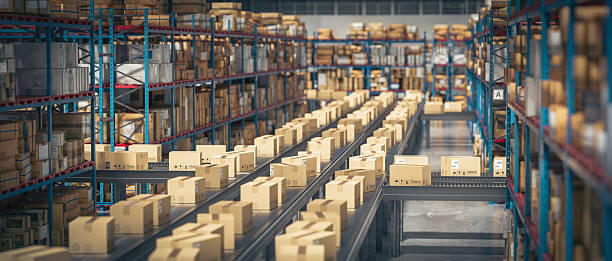
When a warehouse is full and a container cannot be unloaded in Nigeria, it means the receiving facility has no available space to accept cargo from a truck. As a result, the container stays on the truck or is returned to a holding area, causing delays across the supply chain.
In simple terms, your container arrives, but there is nowhere to store the goods, so unloading is delayed.
Common Causes in Nigeria
1. Poor Inventory Planning
Businesses often overstock or miscalculate demand, leading to:
- No available storage space
- Congested warehouse floors
- Delayed inbound planning
2. High Import Volume
When multiple shipments arrive at once:
- Warehouses reach capacity quickly
- Unloading schedules get backed up
3. Port Delays and Batch Arrivals
Cargo often arrives in clusters due to:
- Vessel delays
- Port congestion (Apapa, Tin Can, Lekki)
- Clearance backlogs
4. Limited Warehouse Infrastructure
Challenges include:
- Insufficient storage facilities
- Small warehouse sizes
- Lack of modern stacking systems
5. Poor Coordination Between Logistics Teams
Issues between:
- Freight forwarders
- Warehouse managers
- Trucking companies
6. Inefficient Offloading Scheduling
- No appointment system for unloading
- Simultaneous arrival of multiple trucks
- Labour or equipment shortage
Effects of Warehouse Full Situations
1. Truck Delays and Detention Charges
Trucks wait longer, leading to:
- Extra detention fees
- Higher transport costs
2. Container Return Delays
Shipping lines may charge:
- Demurrage
- Late container return penalties
3. Supply Chain Disruption
Impacts:
- Delayed product availability
- Manufacturing downtime
- Retail stock shortages
4. Increased Logistics Costs
Due to:
- Emergency storage
- Re-routing cargo
- Extra handling fees
5. Cargo Exposure Risks
While waiting:
- Goods may deteriorate
- Risk of theft increases
- Weather exposure damage
Common Scenarios in Nigeria
- Truck arrives from Apapa but warehouse cannot accept goods
- Multiple containers delivered at same time
- Warehouse waiting for clearance of previous stock
- Industrial estates with limited storage capacity
Solutions to Warehouse Full Problems
1. Better Inventory Planning
Businesses should:
- Forecast demand accurately
- Maintain safety stock levels
- Avoid over-importation
2. Use of Off-Dock Warehouses
Store goods near ports or outside congested areas.
3. Staggered Delivery Scheduling
Avoid multiple container arrivals at the same time.
4. Expansion of Storage Capacity
Invest in:
- Larger warehouses
- Vertical racking systems
- Satellite storage locations
5. Use of Third-Party Logistics (3PL) Providers
Outsourcing warehousing to professional logistics companies.
6. Real-Time Coordination Systems
Improve communication between:
- Truck drivers
- Warehouse managers
- Importers
How Businesses Can Prevent Warehouse Full Issues
1. Book Warehouse Space in Advance
Reserve storage before cargo arrival.
2. Split Shipments
Avoid sending too much cargo in one batch.
3. Fast Turnaround Inventory
Move goods quickly to distribution channels.
4. Use Multiple Storage Locations
Reduce pressure on a single warehouse.
5. Improve Demand Forecasting
Use sales data to guide import quantities.
Risks of Ignoring Warehouse Capacity Issues
- Rising demurrage and detention fees
- Delayed product distribution
- Loss of sales opportunities
- Supply chain breakdown
- Increased operational stress
Role of Insurance
Cargo insurance may cover:
- Physical damage during transit
- Theft or loss in covered situations
- Contamination in storage (depending on policy)
However, delays caused by lack of warehouse space are usually not covered.
How Travo.ng Supports Warehouse and Logistics Flow
Warehouse congestion often affects inland logistics after port clearance. Efficient coordination helps reduce delays.
This is where Travo.ng supports businesses across Nigeria.
Travo.ng provides:
- Cargo pickup from Apapa, Tin Can, and Lekki ports
- Nationwide transportation services
- Interstate logistics coordination
- Commercial cargo delivery
- Distribution support for businesses
- Last-mile delivery solutions
Efficient logistics planning helps reduce warehouse congestion pressure.
Final Insight
“Warehouse full cannot unload container” situations in Nigeria are mainly caused by poor planning, limited storage capacity, and coordination gaps in the supply chain. Businesses that plan inventory better and use flexible warehousing solutions can significantly reduce delays and logistics costs.
