


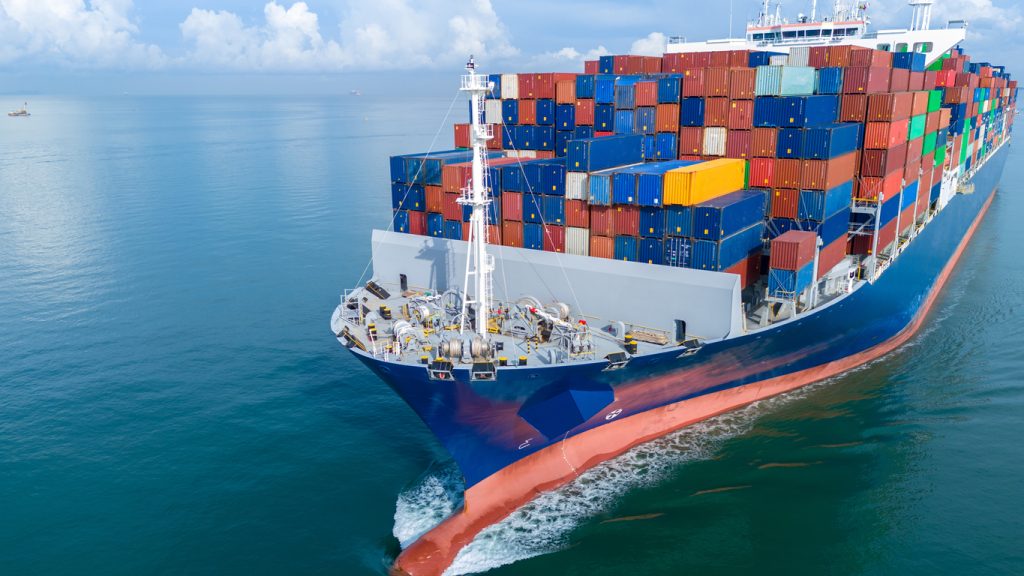
Cargo recovery planning in Nigeria refers to the process of preparing structured actions to quickly retrieve, release, or salvage goods when they are delayed, stuck, damaged, or trapped in the supply chain. This often applies to situations like port congestion, strikes, customs holds, cargo damage, or container disputes at Apapa Port, Tin Can Island Port, and Lekki Port.
In simple terms, it means having a clear plan to “get your cargo back on track” when things go wrong.
When Cargo Recovery Planning Is Needed
Cargo recovery planning becomes necessary in situations such as:
- Cargo stuck at the port due to congestion
- Customs holds or documentation issues
- Vessel or terminal delays
- Container damage or contamination
- Strikes or labour disputes
- Missing or misrouted cargo
- High demurrage accumulation
Key Objectives of Cargo Recovery Planning
- Minimize financial losses
- Speed up cargo release
- Reduce demurrage and storage charges
- Restore supply chain flow quickly
- Protect cargo from further damage
- Resolve disputes with stakeholders
Core Elements of Cargo Recovery Planning in Nigeria
1. Rapid Situation Assessment
Identify the exact problem:
- Is cargo held by Customs?
- Is it stuck in the terminal?
- Is it delayed due to strike or congestion?
2. Documentation Recovery
Ensure all required documents are ready:
- Bill of lading
- Commercial invoice
- Packing list
- Form M and PAAR
- Import permits (SON, NAFDAC, etc.)
Missing documents are a major cause of delay.
3. Stakeholder Coordination
Engage all relevant parties:
- Freight forwarders
- Shipping lines
- Terminal operators
- Customs brokers
- Insurance providers
4. Clearance Acceleration Strategy
To speed up release:
- Resolve inspection issues quickly
- Pay required duties promptly
- Fix valuation or classification disputes
5. Cargo Inspection and Survey
If damage or dispute occurs:
- Request cargo survey report
- Document evidence (photos/videos)
- Confirm container condition and seal integrity
6. Financial Recovery Management
Plan for and control costs such as:
- Demurrage fees
- Storage charges
- Detention fees
- Emergency trucking costs
7. Alternative Evacuation Planning
If direct pickup is blocked:
- Use alternative terminals
- Redirect to bonded warehouses
- Move cargo via off-dock facilities
8. Risk Mitigation Actions
Prevent further losses:
- Secure cargo storage
- Improve packaging protection
- Reduce exposure time at port
Common Causes That Trigger Cargo Recovery Situations
- Port congestion and long dwell time
- Customs clearance delays
- Documentation errors
- Labour strikes or disputes
- Shipping line disputes
- Container damage or leakage
- Trucking shortages
Effects of Poor Cargo Recovery Planning
Without a recovery plan, businesses may face:
- High demurrage and storage charges
- Cargo spoilage or contamination
- Supply chain breakdown
- Lost sales opportunities
- Contract penalties
- Increased operational stress
Best Practices for Cargo Recovery Planning in Nigeria
1. Act Fast
Delays increase costs significantly at Nigerian ports.
2. Maintain Complete Documentation
Prevention is better than emergency correction.
3. Use Experienced Freight Forwarders
They understand port procedures and can fast-track clearance.
4. Monitor Cargo in Real Time
Tracking helps identify problems early.
5. Maintain Emergency Logistics Budget
Prepare for unexpected costs like demurrage or reprocessing fees.
6. Diversify Port and Transport Options
Avoid dependency on a single port or route.
Role of Insurance in Cargo Recovery
Cargo insurance may support recovery by covering:
- Physical damage during transit or storage
- Contamination or spoilage (depending on policy)
- Loss due to insured risks
However, delays, demurrage, and operational disruptions are usually not covered unless explicitly stated.
How Travo.ng Supports Cargo Recovery in Nigeria
Cargo recovery is not only about clearing goods at the port—it also includes fast and safe movement after release.
This is where Travo.ng supports businesses across Nigeria.
Travo.ng provides:
- Cargo pickup from Apapa, Tin Can, and Lekki ports
- Nationwide transportation services
- Interstate logistics coordination
- Commercial cargo delivery
- Distribution support for businesses
- Last-mile delivery solutions
Efficient inland logistics helps complete the recovery process after port clearance.
Final Insight
Cargo recovery planning in Nigeria is essential for handling delays, disputes, and disruptions across the supply chain. With proper documentation, fast response strategies, and strong logistics coordination, businesses can reduce losses and restore cargo movement quickly.
