


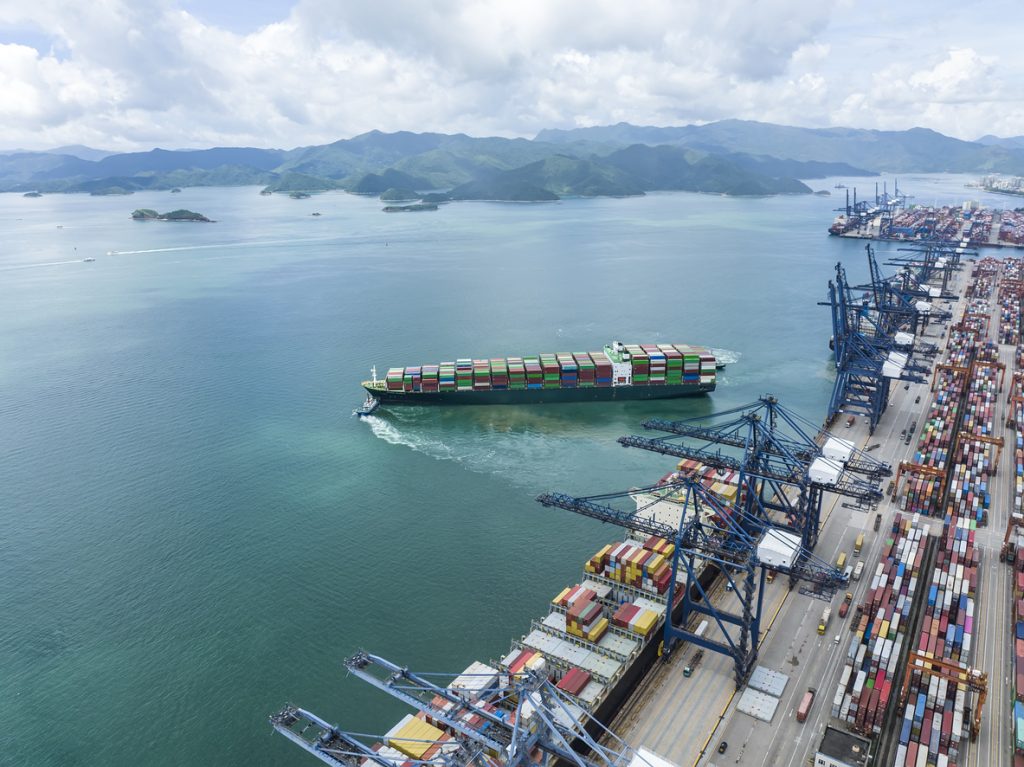
Port logistics delay in Nigeria refers to any disruption or slowdown in the movement of cargo through ports, including unloading, clearing, handling, storage, and transportation out of port terminals. It covers delays from the moment a vessel arrives until the cargo leaves the port environment.
In simple terms, it means goods are stuck or moving slowly through Nigerian ports due to logistics bottlenecks.
Key Areas Affected by Port Logistics Delays
Port logistics delays can happen at different stages:
- Vessel discharge and berth allocation
- Container yard handling
- Customs clearance
- Terminal processing
- Truck evacuation and delivery
Main Causes of Port Logistics Delay in Nigeria
1. Port Congestion
High cargo volume overwhelms:
- Apapa Port
- Tin Can Island Port
- Other Lagos terminals
2. Inefficient Cargo Handling
Delays caused by:
- Slow container offloading
- Equipment breakdown
- Manual processes
3. Customs Clearance Bottlenecks
Including:
- Document verification delays
- Physical inspection requirements
- Valuation disputes
- Regulatory holds (SON, NAFDAC, etc.)
4. Trucking and Haulage Constraints
Even after clearance:
- Lack of available trucks
- Electronic call-up scheduling delays
- Traffic gridlock around ports
5. Poor Infrastructure
Challenges include:
- Limited port access roads
- Insufficient container yards
- Inadequate storage facilities
6. Coordination Gaps
Between:
- Shipping lines
- Terminal operators
- Customs authorities
- Transport companies
7. High Import Demand
Nigeria’s import volume puts continuous pressure on port systems.
Effects of Port Logistics Delay
1. Increased Costs
Importers face:
- Demurrage charges
- Container detention fees
- Storage and handling fees
- Higher transport costs
2. Supply Chain Disruption
Delays affect:
- Manufacturing operations
- Retail stock availability
- Distribution timelines
3. Cargo Quality Risks
Extended port stay can cause:
- Moisture damage
- Odor contamination
- Heat exposure deterioration
- Packaging weakening
4. Business Uncertainty
Companies struggle with:
- Unpredictable delivery timelines
- Inventory planning issues
5. Reduced Trade Efficiency
Higher logistics costs reduce competitiveness.
Common Port Logistics Delay Scenarios
- Container cleared but no truck available
- Vessel discharged but yard is full
- Cargo held for inspection or documentation issues
- Trucks stuck in Apapa or Tin Can traffic
- Delayed customs approval process
How Port Logistics Delays Are Managed in Nigeria
1. Electronic Call-Up Systems
Used to control truck entry and reduce congestion.
2. Customs Automation
Digital platforms help speed up documentation processing.
3. Off-Dock Terminals
Cargo is moved to inland terminals for faster evacuation.
4. Alternative Ports
Such as:
- Lekki Deep Sea Port
- Onne Port
- Warri Port
5. Improved Port Infrastructure
Upgrades in roads, yards, and equipment.
How Businesses Can Reduce Port Logistics Delays
1. Pre-Arrival Documentation
Prepare all shipping documents early.
2. Use Experienced Freight Forwarders
They help navigate clearance and avoid delays.
3. Schedule Truck Pickup Early
Book haulage in advance.
4. Choose Less Congested Ports
Diversify port usage where possible.
5. Use Bonded Warehouses
Move cargo out quickly to reduce congestion impact.
Risks Associated With Port Logistics Delays
- Demurrage accumulation
- Cargo damage or contamination
- Theft or pilferage risk
- Missed business deadlines
- Increased operational costs
Role of Insurance in Port Logistics Delays
Cargo insurance may cover:
- Physical damage during extended storage
- Transit-related losses
- Contamination due to delay exposure
However, pure delay costs (like demurrage or penalties) are usually not covered unless specifically included in the policy.
How Travo.ng Supports Businesses After Clearance
While port logistics delays happen at terminals, efficient inland transport helps reduce total supply chain disruption after cargo exits the port.
This is where Travo.ng supports businesses across Nigeria.
Travo.ng provides:
- Cargo pickup from Apapa, Tin Can, and Lekki ports
- Nationwide transportation services
- Interstate logistics coordination
- Commercial cargo delivery
- Distribution support for businesses
- Last-mile delivery solutions
Reliable inland logistics helps businesses recover faster after port delays.
Final Insight
Port logistics delays in Nigeria are driven by congestion, customs bottlenecks, infrastructure limitations, and coordination challenges. These delays increase costs and disrupt supply chains, but improved digital systems, better planning, and alternative logistics routes are helping reduce their impact.
