


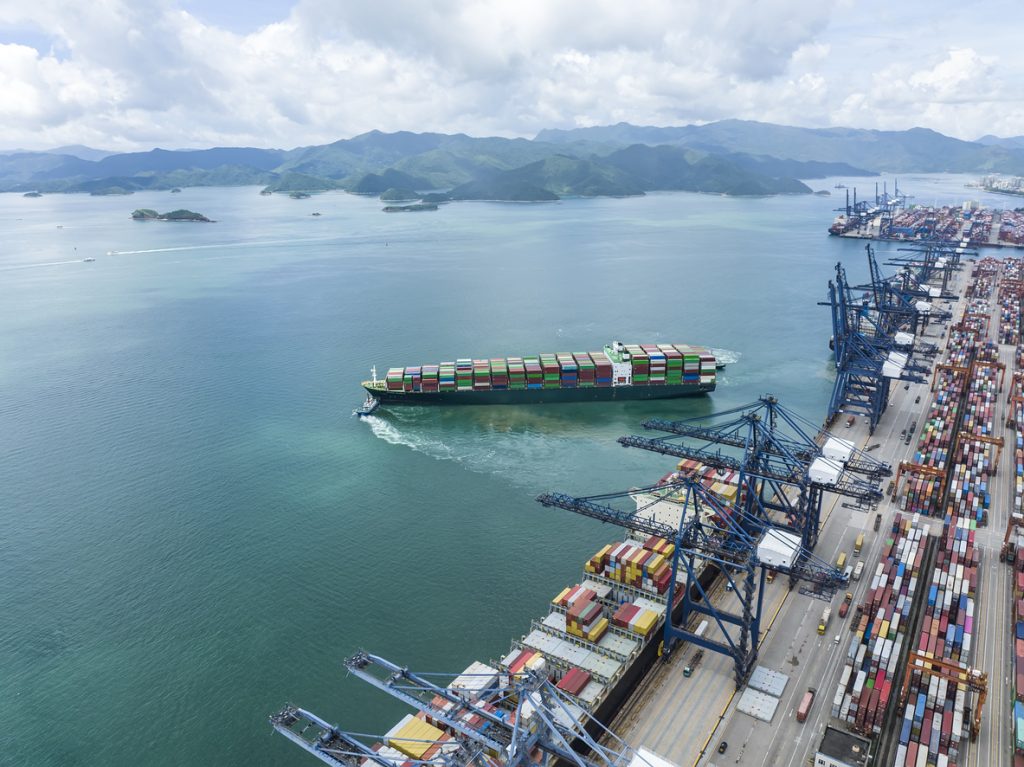
Lekki Port congestion refers to delays, bottlenecks, or inefficiencies in cargo movement at or around the Lekki Deep Sea Port in Lagos, Nigeria, affecting the flow of containers, trucks, and logistics operations.
Although Lekki Port is relatively new and designed to reduce pressure on Apapa and Tin Can ports, it can still experience congestion due to rising cargo volume and supporting infrastructure limitations.
In simple terms, it means cargo movement at Lekki Port slows down due to operational or logistics pressure.
Why Lekki Port Can Become Congested
1. Rapid Increase in Cargo Volume
As importers shift operations to Lekki Port:
- Container inflow increases quickly
- Yard capacity gets pressured
- Truck demand rises
2. Developing Road Infrastructure
Access roads and surrounding logistics networks may still be expanding, leading to:
- Limited truck flow capacity
- Road bottlenecks during peak hours
- Construction-related delays
3. Truck Scheduling Inefficiencies
If coordination is weak:
- Trucks arrive at the same time
- Waiting times increase
- Terminal space becomes overstretched
4. Port Operational Learning Curve
As a relatively new deep-sea port:
- Systems are still being optimized
- Stakeholders are adapting to procedures
- Clearance processes may experience delays
5. Customs and Documentation Delays
Even modern ports still face:
- Document verification delays
- Physical inspection requirements
- Regulatory processing time
6. Supporting Logistics Gaps
Limited availability of:
- Nearby bonded warehouses
- Inland container depots
- Efficient evacuation systems
Effects of Lekki Port Congestion
1. Slower Cargo Movement
Delays in:
- Container discharge
- Truck loading
- Final delivery
2. Increased Logistics Costs
Due to:
- Truck waiting time
- Storage charges
- Fuel and operational expenses
3. Supply Chain Delays
Affects:
- Retail distribution
- Manufacturing inputs
- Import timelines
4. Cargo Exposure Risks
Longer port stay can lead to:
- Moisture damage
- Container tampering risks
- Product deterioration
5. Reduced Port Efficiency Advantage
If congestion grows, benefits of a deep-sea port are reduced.
Challenges Contributing to Congestion at Lekki Port
1. High Adoption Rate
Rapid shift from older ports increases pressure.
2. Limited Truck Holding Capacity
Insufficient staging areas for trucks.
3. Infrastructure Development Phase
Some logistics systems are still expanding.
4. Coordination Across Stakeholders
Multiple parties must align:
- Shipping lines
- Terminal operators
- Customs
- Transport companies
5. Inland Distribution Constraints
Movement from port to warehouses may be slow.
Solutions to Lekki Port Congestion
1. Strong Digital Scheduling Systems
Controlled truck entry reduces overcrowding.
2. Expansion of Access Roads
Improves truck movement efficiency.
3. Development of Inland Dry Ports
Reduces pressure on the main terminal.
4. Faster Customs Processing
Streamlined documentation and inspection.
5. Better Logistics Coordination
Improved communication between stakeholders.
6. Use of Off-Dock Warehousing
Bonded warehouses help reduce yard congestion.
How Businesses Can Reduce Lekki Port Delays
1. Plan Imports Early
Avoid peak arrival periods.
2. Pre-Clear Documentation
Reduces time spent at port.
3. Use Experienced Freight Forwarders
They help navigate new port processes efficiently.
4. Arrange Early Truck Scheduling
Ensures faster pickup after discharge.
5. Use Nearby Warehousing
Temporary storage reduces immediate congestion pressure.
Cargo Risks During Lekki Port Congestion
- Moisture exposure
- Heat-related damage
- Container delay deterioration
- Increased theft or tampering risk
- Demurrage and storage charges
Role of Insurance in Congestion-Related Risks
Cargo insurance may cover:
- Physical damage during delay exposure
- Transit-related losses
- Contamination due to extended storage
However, pure delay costs are usually not included unless specifically stated.
How Travo.ng Supports Businesses After Clearance
While Lekki Port congestion affects cargo flow at the terminal, efficient inland logistics helps reduce total delivery delays.
This is where Travo.ng supports businesses across Nigeria.
Travo.ng provides:
- Cargo pickup from Lekki Deep Sea Port
- Nationwide transportation services
- Interstate logistics coordination
- Commercial cargo delivery
- Distribution support for businesses
- Last-mile delivery solutions
Efficient inland movement helps reduce the impact of port congestion on overall supply chains.
Final Insight
Lekki Port congestion is still emerging as cargo volume grows and supporting infrastructure develops. While it is designed to reduce pressure on Lagos’ older ports, inefficiencies in logistics coordination, road access, and inland distribution can still create delays. Proper planning and logistics integration are key to maintaining efficiency.
