


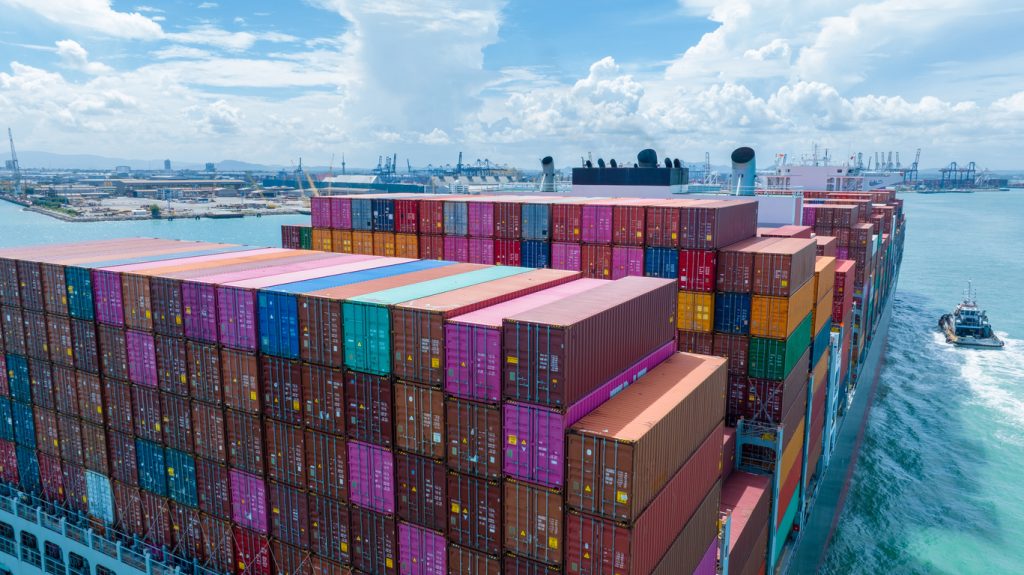
Food contamination in imports in Nigeria refers to situations where imported food products become unsafe for consumption due to exposure to harmful biological, chemical, or physical substances during shipping, storage, inspection, or handling within the supply chain.
In simple terms, it means imported food gets spoiled, polluted, or unsafe before it reaches the consumer.
Types of Food Contamination in Imports
1. Biological Contamination
Caused by living organisms such as:
- Bacteria (e.g., Salmonella)
- Mold and fungi
- Insects or rodents
This often leads to food spoilage and health risks.
2. Chemical Contamination
Occurs when food is exposed to harmful chemicals like:
- Cleaning agents
- Fuel or oil spills
- Pesticide residues
- Industrial chemicals during transport
3. Physical Contamination
Involves foreign objects such as:
- Metal fragments
- Broken glass
- Plastic pieces
- Packaging debris
Common Causes of Food Contamination in Imports (Nigeria Context)
1. Poor Container Conditions
- Leaking containers
- Rusted interiors
- Residual chemicals from previous cargo
2. High Humidity and Heat Exposure
Nigeria’s port and inland climate can cause:
- Moisture buildup
- Mold growth
- Rapid food spoilage
3. Delays at Ports
Long clearance times increase exposure to:
- Heat
- Contaminated environments
- Improper storage conditions
4. Improper Packaging
Weak or non-sealed packaging allows:
- Moisture entry
- Pest infestation
- Odor absorption
5. Cross-Contamination
Occurs when food is stored or transported with:
- Chemicals
- Raw agricultural products
- Non-food cargo
6. Poor Handling During Inspection
Frequent opening of containers during:
- Customs checks
- Physical examination
- Re-sealing processes
High-Risk Imported Food Products
- Rice and grains
- Frozen meat and seafood
- Dairy products
- Canned foods
- Fruits and vegetables
- Processed packaged foods
Impact of Food Contamination on Imports
1. Health Risks
Can cause:
- Food poisoning
- Infections
- Severe illness
2. Regulatory Rejection
Food may be rejected by agencies such as:
- NAFDAC (National Agency for Food and Drug Administration and Control)
- Customs inspection authorities
3. Financial Loss
Importers may lose:
- Entire shipments
- Storage costs
- Logistics expenses
4. Supply Chain Disruption
Delays in distribution and market shortages.
5. Reputation Damage
Affects brand trust and market credibility.
How Food Contamination Is Detected in Imports
1. Visual Inspection
Signs include:
- Mold growth
- Discoloration
- Swollen packaging
2. Odor Testing
Unusual or foul smell indicates spoilage.
3. Laboratory Testing
Used for:
- Microbial analysis
- Chemical residue testing
- Safety compliance checks
4. Packaging Integrity Check
Checks for:
- Broken seals
- Leaks
- Damaged cartons
What to Do When Imported Food Is Contaminated
1. Isolate the Shipment
Prevent contaminated food from mixing with safe stock.
2. Document Evidence
Include:
- Photos
- Videos
- Inspection reports
- Container condition
3. Notify Relevant Authorities
Such as:
- Shipping line
- Freight forwarder
- Insurance company
- Regulatory agencies (if required)
4. Conduct Cargo Survey
A professional surveyor assesses:
- Cause of contamination
- Extent of damage
- Salvage potential
5. File Insurance Claim
Submit:
- Insurance certificate
- Bill of lading
- Survey report
- Import documents
Prevention of Food Contamination in Imports
1. Use Reefer (Refrigerated) Containers
Essential for perishable goods.
2. Proper Packaging Standards
Use:
- Vacuum sealing
- Moisture-proof materials
- Food-grade packaging
3. Container Inspection Before Loading
Check for:
- Cleanliness
- Odors
- Structural leaks
4. Avoid Cross-Contamination
Do not mix food with:
- Chemicals
- Industrial goods
- Non-food cargo
5. Reduce Port Delay Time
Faster clearance reduces exposure risk.
6. Use Reliable Logistics Partners
Experienced handlers reduce contamination risk.
7. Apply Pest Control Measures
Especially in warehouses and storage facilities.
Insurance Coverage for Food Contamination
Cargo insurance may cover:
- Spoilage due to transit conditions
- Water or temperature damage
- Accidental contamination
Coverage depends on:
- Policy terms
- Proof of cause
- Cargo type
How Travo.ng Supports Businesses After Clearance
While food contamination often occurs during shipping and storage, safe inland logistics also plays a role in preventing further damage.
This is where Travo.ng supports businesses across Nigeria.
Travo.ng provides:
- Cargo pickup from ports and airports
- Nationwide transportation services
- Interstate logistics coordination
- Commercial cargo delivery
- Distribution support for businesses
- Last-mile delivery solutions
Proper handling helps reduce exposure risks after clearance.
Final Insight
Food contamination in imports in Nigeria is a serious issue affecting safety, compliance, and business profitability. It is caused by poor storage, container issues, delays, and improper handling. Strong packaging, temperature control, inspections, and reliable logistics systems are essential to prevent losses.
