


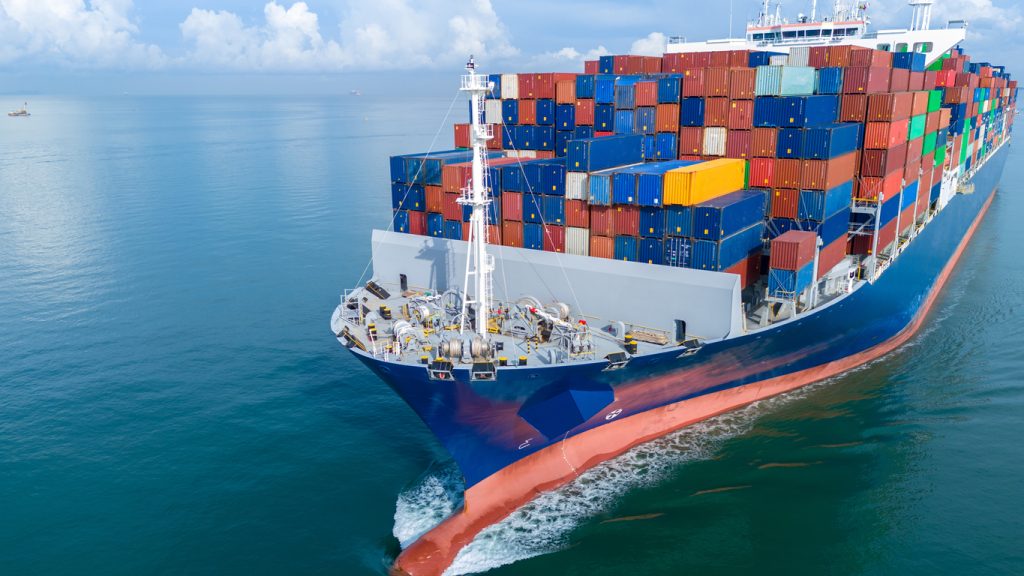
Cargo loss investigation in Nigeria is the formal process of identifying what happened to missing, stolen, or unaccounted-for goods during transportation, storage, or handling. It involves tracing the movement of cargo, reviewing documents, inspecting facilities, and determining the cause, location, and responsibility for the loss.
In simple terms, it is a structured inquiry to find out how and where cargo was lost and who is responsible.
Why Cargo Loss Investigation Is Important in Nigeria
Cargo loss investigations help:
- Identify where the loss occurred
- Determine responsibility (shipping line, terminal, warehouse, or transporter)
- Support insurance claims
- Prevent future losses
- Resolve disputes between parties
- Recover missing goods where possible
Common Situations That Require Cargo Loss Investigation
1. Missing Cargo
Goods not delivered or unaccounted for.
2. Partial Loss
Some items are missing from a shipment.
3. Container Theft or Tampering
Evidence of seal breakage or unauthorized access.
4. Warehouse Discrepancies
Inventory does not match shipment records.
5. Transit Loss
Cargo lost during road transport or port movement.
Causes of Cargo Loss in Nigeria
1. Theft and Pilferage
Goods may be stolen at:
- Ports
- Warehouses
- Transit routes
2. Documentation Errors
Mistakes in:
- Bill of lading
- Packing list
- Container numbers
3. Misrouting or Misdelivery
Cargo delivered to wrong location or consignee.
4. Seal Tampering
Broken or replaced container seals.
5. Poor Cargo Handling
Loss during:
- Loading
- Unloading
- Storage
6. System or Inventory Errors
Weak tracking systems can cause record mismatches.
Cargo Loss Investigation Process in Nigeria
1. Incident Reporting
The loss is reported by:
- Importer/exporter
- Freight forwarder
- Warehouse operator
- Shipping line
2. Documentation Review
Investigators examine:
- Bill of lading
- Commercial invoice
- Packing list
- Delivery notes
3. Cargo Trace Analysis
Tracking movement using:
- Container number
- Shipping records
- Port clearance logs
4. Site Inspection
Physical inspection of:
- Ports
- Warehouses
- Transit points
5. Cargo Survey
A professional surveyor assesses:
- Extent of loss
- Possible cause
- Condition of remaining cargo
6. Interview and Verification
Stakeholders may be questioned:
- Drivers
- Port workers
- Warehouse staff
7. Final Investigation Report
Includes:
- Cause of loss
- Location of incident
- Estimated value of loss
- Responsibility assessment
Documents Required for Investigation
- Bill of lading
- Commercial invoice
- Packing list
- Insurance certificate
- Delivery receipt
- Seal records
- Photographic evidence
- Survey report
Who Conducts Cargo Loss Investigations?
1. Cargo Surveyors
Independent professionals who inspect and assess damage or loss.
2. Insurance Investigators
Verify claims and determine eligibility for compensation.
3. Freight Forwarders
Assist in tracing shipment movement.
4. Security Agencies
In cases involving theft or fraud.
Challenges in Cargo Loss Investigation in Nigeria
- Poor documentation tracking
- Delayed reporting of incidents
- Limited access to port records
- Inconsistent logistics systems
- Difficulty identifying point of loss
- Multiple handling points in supply chain
How Cargo Loss Is Prevented
1. End-to-End Tracking Systems
Real-time monitoring reduces blind spots.
2. Strong Seal Management
Tamper-proof seals help detect interference.
3. Reduce Cargo Handling Points
Fewer transfers reduce risk of loss.
4. Faster Port Clearance
Shorter dwell time reduces exposure.
5. Reliable Logistics Partners
Trusted operators reduce operational risk.
6. Cargo Insurance
Provides financial protection against losses.
Importance of Investigation Reports
Cargo loss investigation reports are used for:
- Insurance claims
- Legal disputes
- Shipping line disputes
- Internal audit and accountability
- Operational improvement
How Travo.ng Supports Businesses After Clearance
While cargo loss investigation helps identify what went wrong, preventing future issues depends on efficient logistics handling.
This is where Travo.ng supports businesses across Nigeria.
Travo.ng provides:
- Cargo pickup from ports and airports
- Nationwide transportation services
- Interstate logistics coordination
- Commercial cargo delivery
- Distribution support for businesses
- Last-mile delivery solutions
Reliable handling and structured logistics reduce risks of cargo loss and improve supply chain visibility.
Final Insight
Cargo loss investigation in Nigeria is essential for identifying missing goods, determining responsibility, and supporting insurance or legal claims. It relies on proper documentation, cargo tracking, and professional assessment to resolve disputes and improve logistics accountability.
