


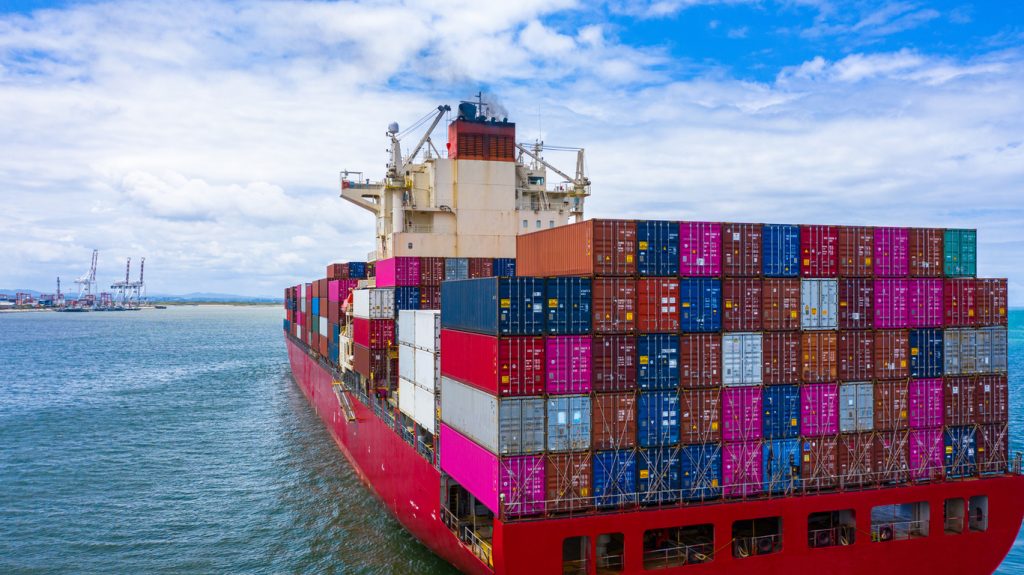
Cargo insurance claim in Nigeria refers to the formal process of requesting compensation from an insurance provider when goods are lost, damaged, stolen, or affected during transportation. The claim is made under a cargo insurance policy that protects the financial value of goods in transit.
In simple terms, a cargo insurance claim helps businesses recover losses when something goes wrong during shipping.
What Is Cargo Insurance?
Cargo insurance provides financial protection against risks that may affect goods during:
- Sea freight
- Air freight
- Road transportation
- Inland logistics movement
Coverage depends on the insurance policy purchased and the circumstances surrounding the loss.
Common Reasons for Cargo Insurance Claims in Nigeria
1. Water Damage
Cargo may be damaged due to:
- Container leaks
- Rain exposure
- Flooding
- Condensation inside containers
2. Theft and Pilferage
Losses may occur through:
- Cargo theft
- Warehouse theft
- Missing items during transit
3. Physical Damage
Examples include:
- Broken products
- Crushed packaging
- Mishandled cargo
4. Fire Damage
Cargo can be affected by:
- Vessel fires
- Warehouse fires
- Vehicle fires during transportation
5. Cargo Shortage
Delivered quantity may be less than what was shipped.
6. Accidents During Transportation
Including:
- Truck accidents
- Vessel incidents
- Handling equipment accidents
Who Can File a Cargo Insurance Claim?
Claims can generally be filed by:
- Importers
- Exporters
- Cargo owners
- Consignees
- Parties named on the insurance policy
Cargo Insurance Claim Process in Nigeria
1. Inspect Cargo Immediately
Upon receiving cargo:
- Check quantity
- Check condition
- Identify any visible damage
2. Notify the Insurance Company
Report the incident as soon as possible.
Delays may affect claim eligibility.
3. Notify Other Relevant Parties
Inform:
- Shipping line
- Freight forwarder
- Transport company
- Warehouse operator (if applicable)
4. Collect Evidence
Important evidence includes:
- Photographs
- Videos
- Delivery reports
- Damage reports
5. Gather Required Documents
Typical documents include:
- Insurance certificate
- Bill of lading
- Commercial invoice
- Packing list
- Delivery receipt
- Survey report
- Claim letter
6. Arrange Cargo Survey
An insurance surveyor may inspect:
- Nature of damage
- Cause of loss
- Extent of financial impact
7. Submit Formal Claim
Provide all required documentation and supporting evidence.
8. Claim Review and Settlement
The insurer evaluates:
- Policy coverage
- Cause of loss
- Supporting documentation
Possible outcomes include:
- Full compensation
- Partial compensation
- Claim rejection
Common Challenges in Cargo Insurance Claims
1. Late Reporting
Delayed notification can weaken a claim.
2. Inadequate Documentation
Missing records often delay processing.
3. Policy Exclusions
Certain risks may not be covered.
4. Poor Evidence Collection
Lack of photographs or inspection reports can affect claim approval.
5. Disputes Over Cause of Loss
Insurers may investigate whether damage occurred during transit or after delivery.
How to Improve Claim Success
1. Purchase Adequate Coverage
Ensure cargo value is properly insured.
2. Maintain Accurate Records
Keep all shipping and insurance documents organized.
3. Conduct Immediate Inspections
Document damage as soon as cargo arrives.
4. Report Incidents Promptly
Fast reporting strengthens the claim process.
5. Use Professional Surveyors
Independent assessments provide stronger supporting evidence.
Benefits of Cargo Insurance
- Financial protection against loss
- Reduced business risk
- Improved supply chain resilience
- Protection of profit margins
- Faster recovery from unexpected incidents
How Travo.ng Supports Businesses After Clearance
While cargo insurance helps recover financial losses, proper logistics management helps reduce the likelihood of damage after cargo arrives.
This is where Travo.ng supports businesses across Nigeria.
Travo.ng provides:
- Cargo pickup from ports and airports
- Nationwide transportation services
- Interstate logistics coordination
- Commercial cargo delivery
- Distribution support for businesses
- Last-mile delivery solutions
Efficient transportation and careful cargo handling help reduce logistics-related risks and improve supply chain performance.
Final Insight
Cargo insurance claims in Nigeria provide a critical safety net for businesses facing cargo loss, damage, theft, or transportation accidents. Timely reporting, strong documentation, and proper insurance coverage are essential for a successful claim and faster compensation.
