


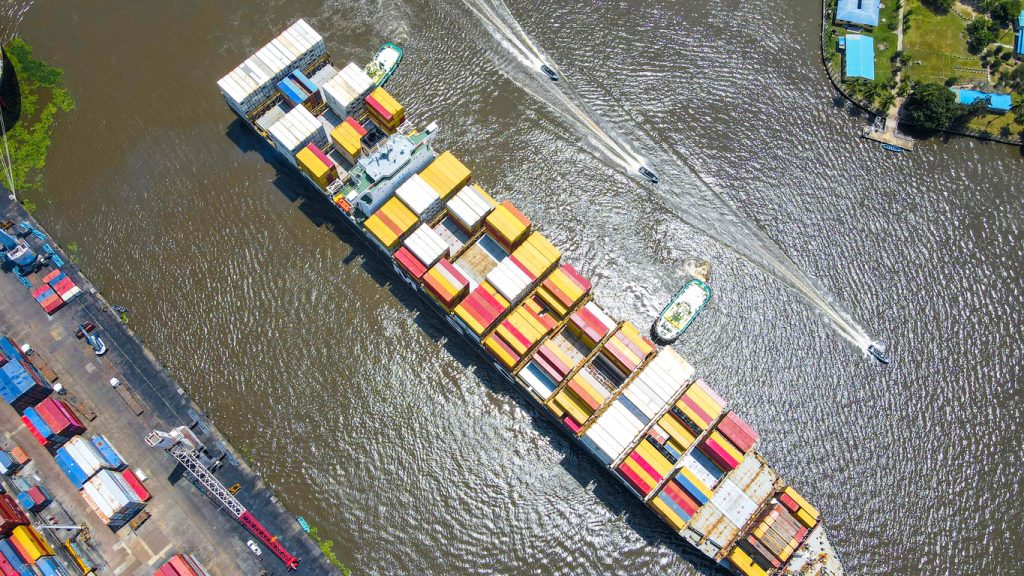
Marine cargo claim in Nigeria refers to the formal process of seeking compensation for goods that are lost, damaged, stolen, or affected during international transportation by sea. Claims are typically filed against a marine insurance policy, shipping line, or other responsible parties involved in the shipment.
In simple terms, a marine cargo claim helps importers recover financial losses when cargo is damaged or lost during transit.
What Is a Marine Cargo Claim?
A marine cargo claim is a request for compensation when cargo suffers loss or damage due to events that occur during shipment.
Common situations include:
- Water-damaged cargo
- Cargo theft
- Container damage
- Fire damage
- Cargo shortage
- Cargo contamination
- Rough handling during loading or unloading
- Vessel accidents
Common Reasons for Marine Cargo Claims in Nigeria
1. Water Damage
Cargo may be damaged by:
- Container leaks
- Rain exposure
- Flooding
- Condensation inside containers
2. Cargo Theft
Losses can occur through:
- Port theft
- Pilferage
- Missing cargo during transit
3. Physical Damage
Examples include:
- Crushed goods
- Broken products
- Damaged packaging
4. Fire and Explosion
Damage caused by:
- Vessel fires
- Warehouse fires
- Hazardous cargo incidents
5. Cargo Shortage
When the quantity delivered is less than the quantity shipped.
6. Container Accidents
Damage resulting from:
- Vessel incidents
- Container collapse
- Handling equipment accidents
Who Can File a Marine Cargo Claim?
Claims may be filed by:
- Importers
- Exporters
- Cargo owners
- Consignees
- Insured parties under the marine insurance policy
Marine Cargo Claim Process in Nigeria
1. Inspect Cargo Immediately
Upon receiving cargo:
- Check condition
- Verify quantity
- Look for visible damage
2. Notify Relevant Parties
Inform:
- Insurance company
- Freight forwarder
- Shipping line
- Surveyor (if required)
Prompt notification is critical for claim validity.
3. Gather Supporting Documents
Common documents include:
- Bill of lading
- Commercial invoice
- Packing list
- Insurance certificate
- Delivery receipt
- Damage report
- Photographs and videos
4. Arrange Cargo Survey
A marine surveyor may inspect:
- Extent of damage
- Cause of loss
- Estimated value of claim
5. Submit Formal Claim
Provide:
- Claim letter
- Supporting documents
- Survey report
- Cost estimates
6. Claim Assessment
The insurer evaluates:
- Coverage under the policy
- Cause of loss
- Supporting evidence
7. Settlement
Possible outcomes include:
- Full compensation
- Partial compensation
- Claim rejection
Challenges in Marine Cargo Claims in Nigeria
1. Delayed Reporting
Late notification may weaken the claim.
2. Incomplete Documentation
Missing paperwork often delays settlement.
3. Poor Evidence Collection
Lack of photographs or inspection reports can affect compensation.
4. Policy Exclusions
Some losses may not be covered under the insurance policy.
5. Disputes Over Liability
Disagreement may arise regarding responsibility for the damage.
How to Improve Claim Success
1. Purchase Adequate Marine Insurance
Ensure coverage matches cargo value and risk profile.
2. Inspect Cargo Immediately
Early detection strengthens claim evidence.
3. Maintain Proper Documentation
Keep all shipping and insurance records organized.
4. Use Professional Surveyors
Independent assessments provide stronger support.
5. Report Losses Promptly
Quick notification helps preserve claim rights.
Impact of Marine Cargo Losses on Businesses
Without successful claims, businesses may face:
- Financial losses
- Inventory shortages
- Supply chain disruptions
- Customer service issues
- Reduced profitability
How Travo.ng Supports Businesses After Clearance
Although marine cargo claims relate primarily to sea transportation, efficient logistics after cargo release remains important.
This is where Travo.ng supports businesses across Nigeria.
Travo.ng provides:
- Cargo pickup from ports and airports
- Nationwide transportation services
- Interstate logistics coordination
- Commercial cargo delivery
- Distribution support for businesses
- Last-mile delivery solutions
Reliable post-clearance logistics helps reduce additional cargo risks and improves supply chain performance.
Final Insight
Marine cargo claims in Nigeria are essential for recovering losses caused by cargo damage, theft, shortages, or accidents during sea transport. Success depends on timely reporting, proper documentation, strong evidence, and adequate insurance coverage. Businesses that understand the claims process are better positioned to protect themselves from significant financial losses.
