


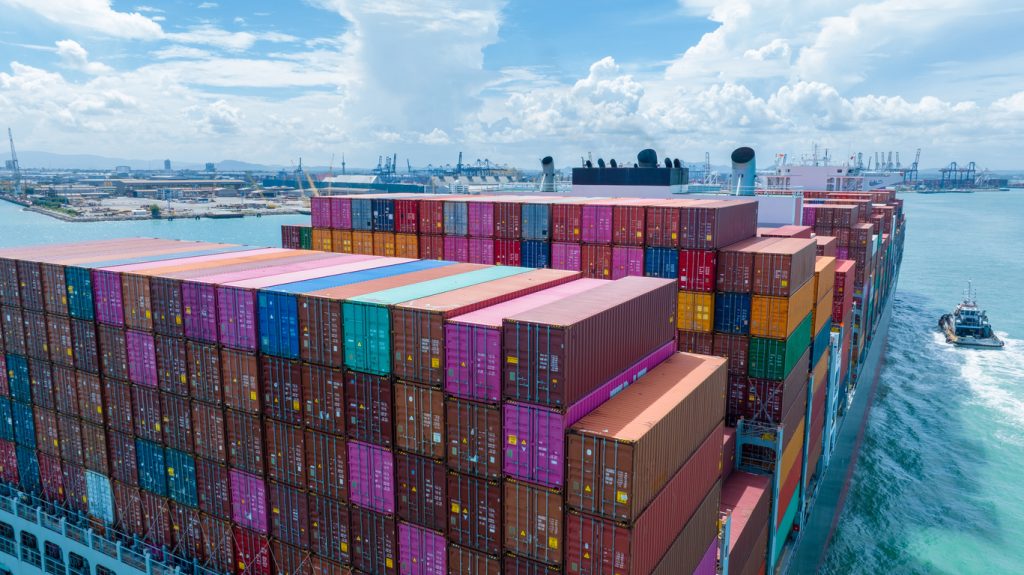
Hidden import charges in Nigeria refer to unexpected or unbudgeted costs that arise during the importation, clearance, and release of goods. These charges are often not included in initial shipping quotations, but appear during customs processing, port handling, or regulatory inspections.
They are common at major entry points such as Apapa Port, Tin Can Island Port, Onne Port, Port Harcourt Port, and airports like Murtala Muhammed International Airport.
In simple terms, hidden import charges are extra fees that show up after your goods arrive in Nigeria.
Common Hidden Import Charges in Nigeria
1. Demurrage Charges
Fees for keeping cargo at the port beyond the free storage period.
2. Storage Fees
Daily charges for warehousing goods at terminals or bonded facilities.
3. Terminal Handling Charges (THC)
Costs for loading, unloading, and moving containers within the port.
4. Customs Examination Fees
Charges when cargo is selected for physical inspection or scanning.
Nigeria Customs Service
5. Regulatory Agency Charges
Fees from agencies involved in import clearance, including:
Standards Organisation of Nigeria
National Agency for Food and Drug Administration and Control
Nigerian Agricultural Quarantine Service
6. Fumigation Charges
Costs for pest treatment of cargo, especially agricultural or wooden packaging.
7. Container Detention Fees
Charges for returning empty containers late to shipping lines.
8. Reclassification Duties
Extra duties when goods are reassessed under a different HS code.
9. Port Surcharges
Miscellaneous port-related fees depending on terminal operations.
10. Documentation Correction Fees
Charges for amending errors in shipping documents such as:
- Bill of lading
- Invoice
- Packing list
Why Hidden Import Charges Happen
1. Incomplete Cost Estimates
Freight quotes often exclude local port and regulatory fees.
2. Documentation Errors
Mistakes in shipping documents cause delays and extra charges.
3. Regulatory Delays
Inspections by SON, NAFDAC, or NAQS extend clearance time.
4. Cargo Congestion
Busy ports increase storage and handling costs.
5. Lack of Pre-Import Compliance
Missing permits or approvals lead to penalties and delays.
Impact of Hidden Import Charges
Importers may experience:
- Higher landed cost of goods
- Reduced profit margins
- Unexpected cash flow pressure
- Delayed delivery to customers
- Risk of cargo abandonment
Common Triggers of Hidden Charges
- Cargo selected for inspection
- Incorrect HS code classification
- Missing import permits or certificates
- Delays in customs clearance
- Regulatory holds on cargo
- Port congestion and backlog
How to Avoid Hidden Import Charges
Experienced importers usually:
- Request full landed cost breakdown before shipping
- Obtain all regulatory approvals in advance
- Use correct documentation and HS codes
- Clear cargo immediately upon arrival
- Work with compliance professionals
- Avoid under-declaration or misclassification
Importance of Compliance in Cost Control
Strong compliance helps reduce:
- Customs penalties
- Inspection delays
- Reclassification charges
- Regulatory hold costs
- Storage and demurrage fees
Early planning is key to avoiding surprise expenses.
How Travo.ng Helps Reduce Post-Clearance Costs
While hidden import charges often arise during clearance, logistics efficiency after release helps reduce overall import cost impact.
This is where Travo.ng supports businesses across Nigeria.
Travo.ng provides:
- Cargo pickup from ports and airports
- Nationwide transportation services
- Interstate logistics coordination
- Commercial cargo delivery
- Distribution support for businesses
- Last-mile delivery solutions
By ensuring fast and efficient movement after clearance, businesses reduce storage-related losses and improve supply chain efficiency.
Final Insight
Hidden import charges in Nigeria are unexpected costs that arise from delays, documentation issues, regulatory inspections, and port-related fees. They can significantly increase total import expenses if not properly managed. Importers who plan ahead, ensure compliance, and clear cargo quickly can greatly reduce these hidden costs.
