


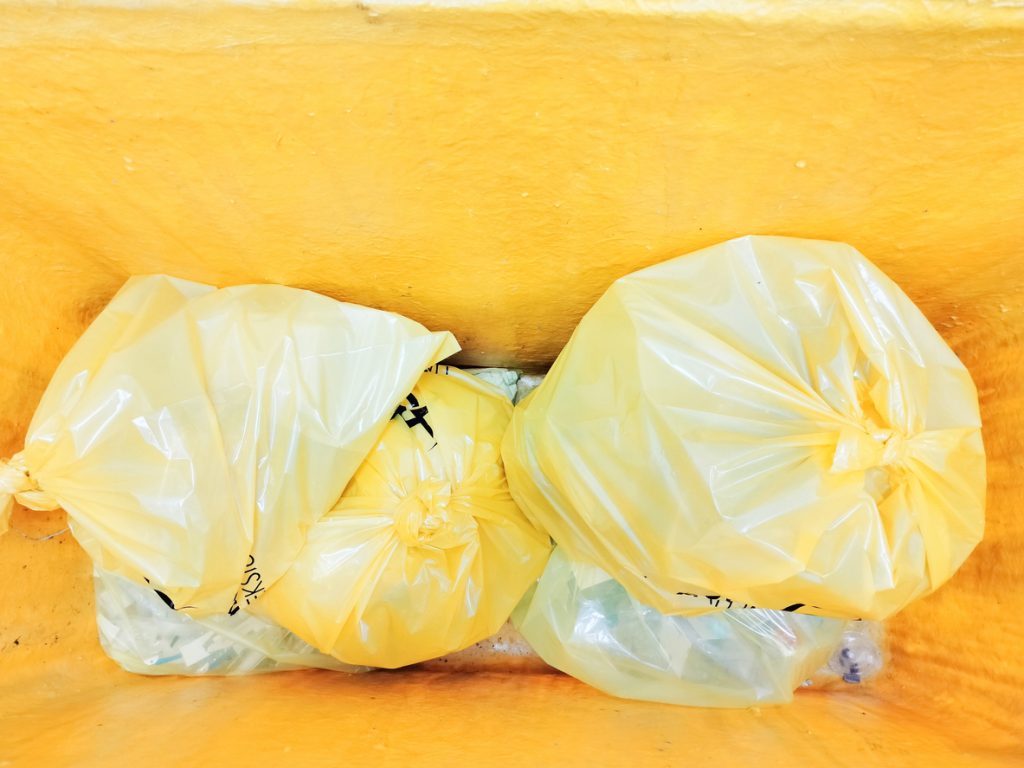
Healthcare waste logistics in Nigeria is not the same as regular waste collection. A hospital cannot treat used syringes, blood-stained dressings, laboratory samples, expired drugs, or contaminated PPE the way a shop treats cartons and plastic packaging. Once medical waste leaves a ward, pharmacy, theatre, laboratory, or diagnostic centre, it has to be handled carefully from pickup to final disposal.
For hospitals, clinics, laboratories, pharmacies, and health outreach teams, the real challenge is not only waste disposal. It is moving the waste safely, on time, with the right handling process, and without creating health risks for staff, patients, cleaners, drivers, or the public.
That is where organised healthcare waste logistics becomes important. In Nigeria, especially in busy cities like Lagos, Abuja, Port Harcourt, Ibadan, Enugu, Kano, and Benin, medical waste movement requires proper planning, trained handlers, secure transport, and clear coordination between the healthcare facility and the disposal point.
What Counts as Healthcare Waste in Daily Nigerian Operations
In many Nigerian health facilities, waste is generated from different points throughout the day. A small clinic in Surulere may produce sharps, gloves, cotton wool, and test strips. A large hospital in Ikeja or Abuja may generate theatre waste, infectious materials, pharmaceutical waste, laboratory cultures, and used medical consumables.
Common healthcare waste includes:
Infectious waste: Items contaminated with blood, body fluids, swabs, bandages, dressings, gloves, and disposable medical materials.
Sharps waste: Needles, syringes, blades, lancets, broken ampoules, and other items that can puncture skin.
Pharmaceutical waste: Expired drugs, damaged medicines, rejected stock, and certain unused medical products.
Laboratory waste: Test samples, culture plates, reagents, specimen containers, and contaminated lab consumables.
General medical facility waste: Packaging, office waste, food waste, and non-contaminated items from hospital premises.
The mistake many facilities make is mixing everything together. Once infectious waste is mixed with ordinary waste, the whole batch becomes risky and more difficult to manage.
Why Moving Medical Waste Requires More Than a Normal Pickup Van
A regular waste truck or delivery vehicle is not ideal for medical waste movement. Healthcare waste can leak, smell, spill, injure handlers, or spread infection if it is not packed and transported properly.
For example, a clinic in Lekki sending used sharps for disposal cannot place them inside nylon bags and hand them over like domestic waste. Sharps should be kept in puncture-resistant containers. Infectious waste should be bagged, sealed, labelled, and separated from general waste before pickup.
The transport process also matters. Vehicles used for healthcare waste logistics should be coordinated to avoid unnecessary delays, poor loading arrangements, and careless offloading. A driver carrying medical waste from Yaba to an approved disposal site should not be stopping for unrelated parcel deliveries along the way.
Good healthcare waste logistics in Nigeria should consider:
Proper waste segregation before pickup
Safe loading and offloading procedures
Use of sealed containers or appropriate packaging
Route planning to reduce delays in traffic
Clear documentation of pickup and handover
Coordination with approved treatment or disposal partners
Trained personnel who understand medical waste risk
The Lagos Reality of Healthcare Waste Movement
Lagos is one of the most demanding locations for healthcare waste transport because of traffic, high patient volume, and the concentration of hospitals, labs, pharmacies, and diagnostic centres.
A facility in Victoria Island may need scheduled pickup before peak traffic builds around Ozumba Mbadiwe, Ahmadu Bello Way, or Lekki-Epe Expressway. A lab in Ikeja may need urgent removal of infectious waste before close of business, especially if storage space is limited. A hospital in Ajah or Sangotedo may need planned collection because poor timing can turn a one-hour movement into three hours on the road.
This is why medical waste logistics should not be treated as “send driver now” work. It needs proper scheduling.
For Lagos operations, the best pickup windows are usually early morning, late morning after school-run traffic, or early afternoon before evening congestion starts. For facilities on routes like Lekki to Ikeja, Surulere to Yaba, or Ikorodu to Lagos Island, route timing can affect cost, safety, and reliability.
What Healthcare Facilities Should Prepare Before Pickup
A smooth pickup starts inside the facility, not when the vehicle arrives. Many delays happen because waste is not ready, the responsible staff member is unavailable, or the pickup team cannot identify which bags or containers are approved for movement.
Before scheduling healthcare waste transport, facilities should confirm:
Waste has been separated by type.
Sharps are in proper safety boxes.
Bags or containers are sealed and not leaking.
Waste is stored away from patients and public access.
The pickup point is clear and easy for handlers to reach.
The receiving disposal or treatment arrangement is confirmed.
The facility has a record of what is being moved.
For clinics and laboratories with regular output, a weekly or twice-weekly schedule is usually more efficient than emergency pickups. Larger hospitals may need daily or multiple scheduled pickups depending on patient load, theatre activity, and lab volume.
Common Mistakes That Create Risk and Extra Cost
Many healthcare facilities lose control of waste logistics because they wait until the storage area is full before arranging pickup. By then, bags may be leaking, staff may start moving waste manually, and the urgency can lead to poor transport decisions.
Another common mistake is using untrained general dispatch riders or random trucks for sensitive waste. This may look cheaper at first, but it creates bigger risks if there is a spill, injury, complaint, or failed handover.
Facilities should avoid:
Keeping infectious waste too long on-site
Mixing sharps with soft medical waste
Using weak bags for contaminated materials
Allowing cleaners to move waste without protective handling
Booking transport without confirming disposal readiness
Moving healthcare waste alongside food, parcels, or passenger items
Poor planning can expose hospitals, pharmacies, labs, and logistics handlers to avoidable problems.
How Travo.ng Supports Healthcare Waste Logistics in Nigeria
Travo.ng helps organisations coordinate practical transport and logistics needs across Nigeria, including sensitive medical and healthcare-related movement where proper handling and planning are required.
For healthcare waste logistics in Nigeria, Travo.ng can support facilities with structured pickup coordination, suitable vehicle arrangements, route planning, movement scheduling, and logistics support between healthcare locations and approved waste handling or disposal points.
This is useful for:
Private hospitals and specialist clinics
Diagnostic centres and laboratories
Pharmacies and medical stores
Health outreach teams
Corporate healthcare providers
NGOs running medical programmes
Facilities that need recurring waste movement support
Instead of relying on last-minute arrangements, facilities can plan waste pickups around their operating hours, storage capacity, traffic conditions, and disposal requirements.
When Scheduled Pickup Makes More Sense Than Emergency Removal
Emergency pickup may be necessary when waste storage is full or a facility has just completed a high-volume activity such as surgery, vaccination outreach, or laboratory screening. But for most healthcare providers, scheduled collection is safer and more cost-effective.
A small clinic may schedule pickup once or twice a week. A diagnostic lab may require more frequent movement depending on sample volume. A hospital with theatre operations may need daily coordination.
Scheduled logistics helps prevent:
Overfilled waste storage areas
Bad odour around service areas
Unsafe handling by cleaners or junior staff
Delays caused by poor vehicle availability
Higher costs from urgent same-day transport
When waste movement becomes routine, the facility can manage risk better and maintain a cleaner operating environment.
A Practical Way to Manage Medical Waste Movement
Healthcare waste logistics should be treated as part of facility operations, not an afterthought. The safest approach is to separate waste properly, store it securely, document what is being moved, and use a logistics provider that understands timing, route planning, and sensitive transport coordination.
For facilities in Lagos, Abuja, Port Harcourt, and other Nigerian cities, Travo.ng provides a practical way to arrange healthcare-related logistics with better planning and less stress.
Whether you manage a clinic, hospital, diagnostic centre, pharmacy, or health project, you can work with Travo.ng to schedule medical waste pickup support, coordinate safe movement, and manage logistics in a way that fits your daily operations.
