


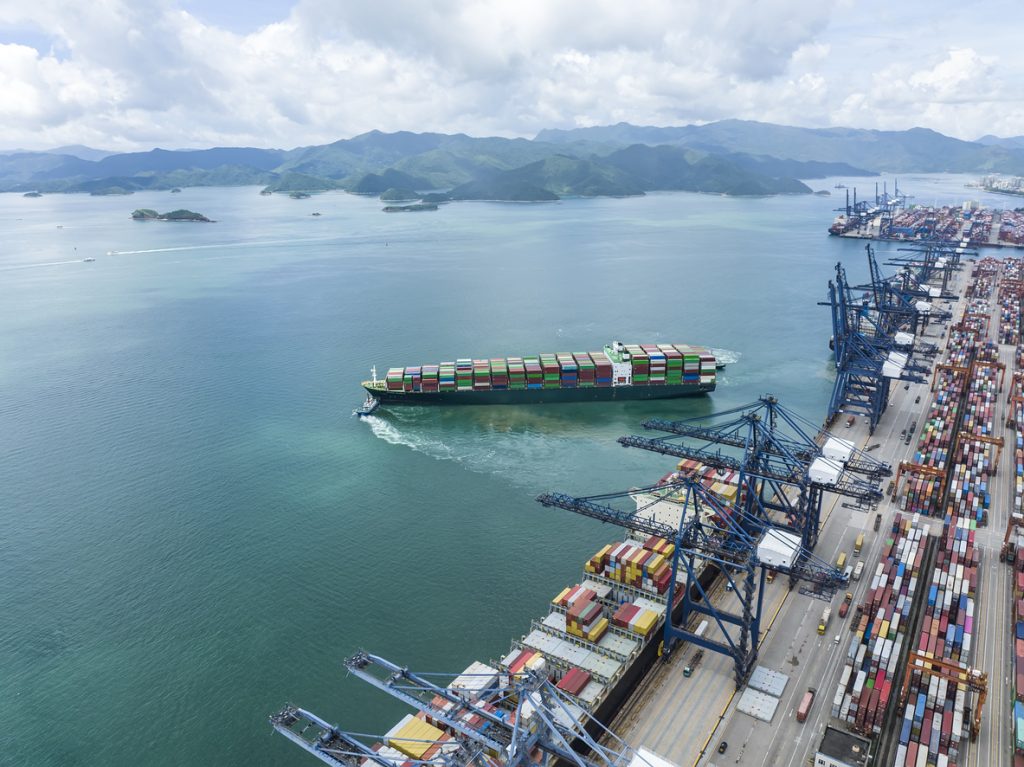
A container return depot in Lagos is a designated facility where empty shipping containers are returned after cargo has been delivered and unloaded. These depots are part of the logistics chain used by shipping lines operating through Apapa Port and Tin Can Island Port, ensuring containers are properly collected, inspected, and repositioned for future shipments.
Failure to return containers on time to these depots can lead to detention charges and other penalties.
Through Travo (Travo.ng), businesses can improve logistics coordination, transport scheduling, and movement efficiency to ensure containers are returned to depots on time and avoid unnecessary costs.
What Is a Container Return Depot?
A container return depot is a facility where:
- Empty containers are received from importers
- Containers are inspected and recorded
- Containers are stored temporarily
- Containers are reassigned for export or shipping use
These depots are managed by shipping lines or authorized logistics operators.
How Container Return Depots Work in Lagos
- Importer collects container from port after clearance
- Goods are delivered and unloaded
- Container becomes empty
- Container is transported to designated return depot
- Depot receives and processes the container
Common Container Return Depots in Lagos
Lagos has several depot locations serving Apapa and Tin Can ports, including:
- Apapa container terminals and off-dock depots
- Ijora and Mile 2 logistics corridors
- Tin Can Island depot facilities
- Satellite container yards across Lagos industrial areas
These depots are used depending on the shipping line and container type.
Why Container Return Depots Are Important
1. Container Management
- Helps shipping lines reuse containers efficiently
- Keeps logistics operations organized
2. Reduces Port Congestion
- Prevents empty containers from overcrowding ports
- Improves terminal efficiency
3. Supports Global Shipping Flow
- Returned containers are repositioned for export or import use
- Maintains international supply chain balance
Common Issues with Container Return to Depots in Lagos
1. Traffic Congestion
- Apapa port gridlock
- Tin Can Island traffic delays
2. Trucking Delays
- Lack of available trucks
- High demand for container haulage
3. Poor Logistics Planning
- No structured return schedule
- Weak coordination between warehouse and transport
4. Depot Delays
- Long queues at return facilities
- Slow processing at receiving terminals
Impact of Delayed Container Return to Depots
1. Detention Charges
Shipping lines charge daily penalties for late returns.
2. Increased Logistics Costs
Delays increase transport and operational expenses.
3. Supply Chain Inefficiency
Late returns can affect:
- Export operations
- Container availability
- Shipping schedules
How to Ensure Timely Container Return in Lagos
1. Plan Return Before Pickup
- Include depot return in logistics plan
- Schedule return trip early
2. Unload Cargo Quickly
- Complete offloading within free days
- Avoid warehouse delays
3. Book Return Trucks in Advance
- Secure haulage before container pickup
- Avoid Lagos traffic disruptions
4. Track Free Container Days
- Monitor shipping line timelines
- Return containers before penalties begin
5. Use Professional Logistics Coordination
Efficient coordination reduces delays and improves turnaround time.
Travo (Travo.ng) supports businesses with structured logistics coordination, executive transportation, concierge services, and premium mobility solutions. These services help improve timing, reduce delays, and ensure smooth container return to depots across Lagos.
Final Thoughts
Container return depots in Lagos are essential to Nigeria’s shipping and logistics system. They ensure proper handling, storage, and redistribution of empty containers after cargo delivery. However, delays in returning containers to depots can lead to detention charges and increased logistics costs.
By planning ahead, improving transport coordination, and tracking container timelines, businesses can ensure timely returns.
With structured logistics support from Travo (Travo.ng), importers and exporters can reduce delays, improve efficiency, and optimize container movement across Lagos ports and depots.
