


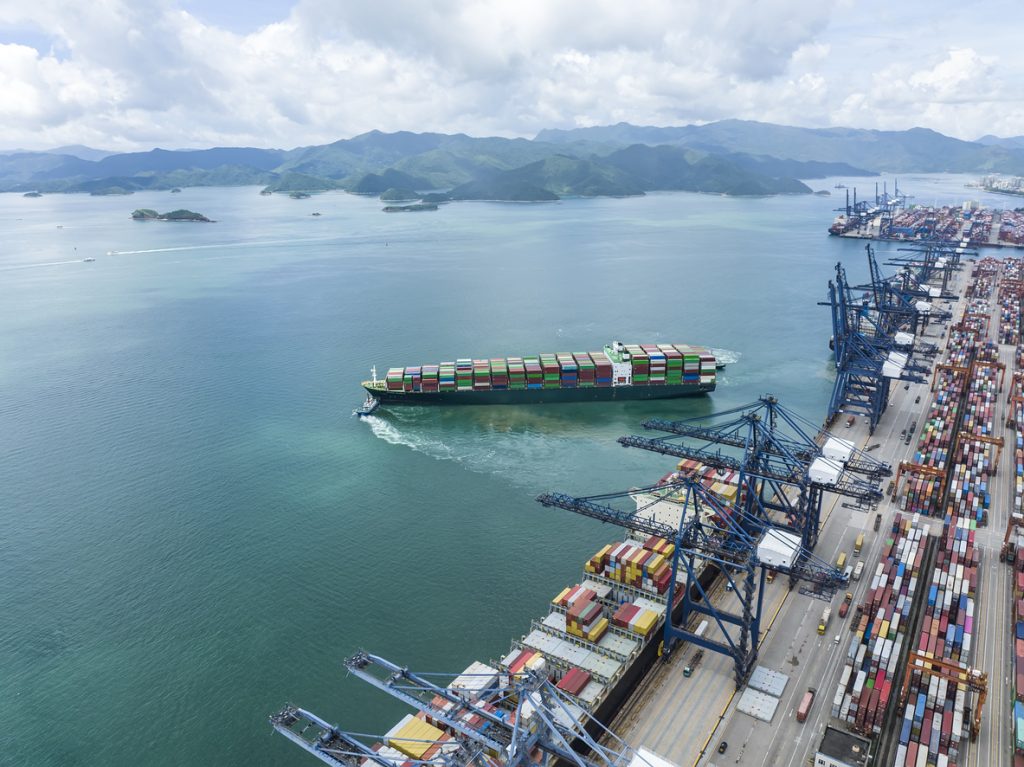
Detention charges in Nigeria are fees imposed by shipping lines when a container is not returned after it has been picked up from the port. Unlike demurrage (which applies when cargo stays at the port), detention applies when the container leaves the port but is kept outside beyond the agreed free period.
These charges are common in Nigeria due to logistics delays, traffic congestion, warehouse issues, and slow cargo return processes, especially in Lagos where most container movement happens through Apapa Port and Tin Can Island Port.
Through Travo (Travo.ng), businesses can access logistics coordination, transport planning, and movement efficiency support that help reduce delays and improve container turnaround time.
What Are Detention Charges?
Detention charges are daily penalties charged by shipping lines when:
- A container is taken out of the port
- But not returned within the agreed free days
- The container remains outside the shipping line’s control
It applies to both:
- Import containers (after delivery)
- Export containers (before shipping)
Difference Between Detention and Demurrage
| Term | Where It Applies | What It Means |
|---|---|---|
| Demurrage | Inside the port | Container stays at terminal too long |
| Detention | Outside the port | Container not returned on time |
How Detention Charges Work in Nigeria
- Importer picks up container from port
- Shipping line gives free container usage days
- Container is used for unloading or storage
- Container is not returned on time
- Daily charges begin until return
Common Causes of Detention Charges
1. Delayed Unloading of Cargo
- Slow warehouse operations
- Lack of equipment for offloading
- Poor planning at destination
2. Traffic and Transport Delays
Common in Lagos due to:
- Apapa and Tin Can traffic congestion
- Truck shortages
- Poor route planning
3. Warehouse or Storage Issues
- No available storage space
- Unorganized offloading process
- Delayed inventory handling
4. Poor Logistics Coordination
- No clear return schedule for containers
- Lack of tracking system
- Inefficient supply chain planning
5. Export-Related Delays
For exports:
- Late cargo stuffing
- Missed vessel schedules
- Documentation delays
Impact of Detention Charges
Increased Operational Costs
Detention fees accumulate daily and can become expensive.
Supply Chain Inefficiency
Delays affect:
- Production cycles
- Delivery schedules
- Business continuity
Reduced Profit Margins
Extra logistics costs reduce overall profitability.
How to Avoid Detention Charges in Nigeria
1. Plan Container Usage Properly
- Arrange warehouse space before pickup
- Prepare unloading schedule in advance
2. Unload Cargo Quickly
- Use efficient labor and equipment
- Complete unloading within free days
3. Return Containers Early
- Do not delay container return after unloading
- Track free time closely
4. Improve Transport Coordination
- Book trucks in advance
- Avoid delays in evacuation from warehouse
5. Monitor Free Container Days
- Track shipping line timelines
- Avoid missing return deadlines
Role of Travo in Logistics Coordination
While Travo (Travo.ng) is widely known for VIP airport assistance, executive transportation, concierge services, and premium mobility solutions, its focus on structured planning, timing efficiency, and secure movement coordination reflects the same operational discipline required in container logistics management.
Businesses benefit from better coordination, improved transport scheduling, and efficient movement planning that help reduce container detention risks.
Final Thoughts
Detention charges in Nigeria are caused by delays in returning containers after pickup from the port. Unlike demurrage, which happens inside the port, detention occurs outside and is often linked to poor logistics planning, transport delays, and warehouse inefficiencies.
By planning container usage properly, unloading quickly, and coordinating logistics efficiently, businesses can significantly reduce detention costs.
With structured logistics support from Travo (Travo.ng), importers and exporters can improve container turnaround efficiency and reduce unnecessary shipping line charges.
