


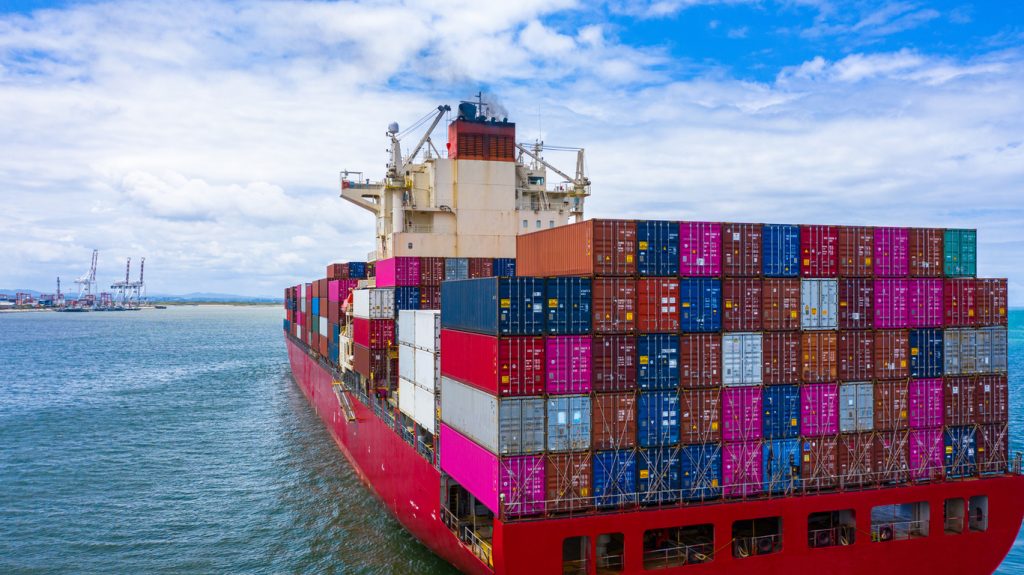
When a container is accumulating demurrage in Nigeria, it means that imported cargo has exceeded the free storage period at the port, and daily penalty charges are being added by the shipping line. This situation is very common at Apapa Port and Tin Can Island Port in Lagos due to clearance delays, congestion, and logistics challenges.
Once demurrage starts, it increases every day the container remains uncleared, making delays very expensive for importers.
Through Travo (Travo.ng), businesses can access logistics coordination, transport planning, and cargo movement support that help reduce clearance delays and prevent demurrage from accumulating.
What Does Container Accumulating Demurrage Mean?
It means:
- The container is still at the port after free days have expired
- Daily demurrage charges are being applied
- Costs are increasing until the container is cleared and evacuated
This usually applies to:
- Imported commercial goods
- Industrial cargo
- Containers at Apapa and Tin Can ports
- Time-sensitive shipments
How Demurrage Accumulates in Nigeria
- Container arrives at the port
- Shipping line grants free storage days
- Free days expire
- Daily charges begin automatically
- Charges continue until container is removed
The longer the delay, the higher the total cost.
Main Causes of Demurrage Accumulation
1. Customs Clearance Delays
The most common reason for demurrage buildup.
- Missing documents
- PAAR/Form M issues
- Physical inspection delays
- System or approval backlog
2. Port Congestion
Lagos ports experience heavy traffic.
- High container volume
- Limited terminal capacity
- Vessel backlog
3. Late Payment of Duties
Cargo cannot be released without payment.
- Import duty
- Terminal charges
- Shipping line fees
4. Lack of Trucks for Pickup
Even after clearance, cargo may remain at the port.
- Truck shortages
- Traffic congestion in Apapa axis
- Poor scheduling
5. Regulatory Inspections
Some containers are held for checks.
- Customs examination
- Agency verification
- Compliance checks
Impact of Accumulating Demurrage
Rising Daily Costs
Demurrage increases every day, creating financial pressure.
Reduced Profit Margins
High port costs reduce business profitability.
Supply Chain Disruptions
Delays affect:
- Production timelines
- Inventory availability
- Customer delivery schedules
How to Stop Demurrage From Accumulating
1. Start Clearance Before Arrival
Early preparation reduces delays significantly.
2. Ensure Accurate Documentation
Avoid errors that slow customs processing.
- Correct invoices
- Proper cargo descriptions
- Accurate HS codes
3. Pay Charges Immediately
Fast payment helps speed up release.
4. Arrange Trucking in Advance
Book transport before cargo is cleared.
5. Respond Quickly to Customs Requests
Delays in communication increase storage time.
How to Reduce Existing Demurrage Accumulation
If demurrage is already building:
- Prioritize customs clearance immediately
- Negotiate possible waivers or reductions (where applicable)
- Clear all outstanding charges quickly
- Arrange urgent evacuation from the port
- Engage experienced logistics support
Role of Travo in Reducing Logistics Delays
While Travo (Travo.ng) is widely recognized for VIP airport assistance, executive transportation, concierge services, and premium mobility coordination, its focus on structured planning, timing efficiency, and secure movement coordination reflects the same operational discipline required in complex logistics environments like Nigerian ports.
Businesses benefit from improved coordination, faster planning, and better movement execution that help reduce delays leading to demurrage accumulation.
Final Thoughts
Container accumulating demurrage in Nigeria is mainly caused by customs delays, port congestion, unpaid charges, inspection procedures, and transport limitations. Once free days expire, charges begin to rise daily, making delays increasingly expensive.
The best way to avoid accumulation is early preparation, fast clearance, and proper logistics coordination.
With structured planning and operational support from Travo (Travo.ng), importers can reduce delays, improve cargo flow, and avoid unnecessary demurrage buildup across Nigerian ports.
