


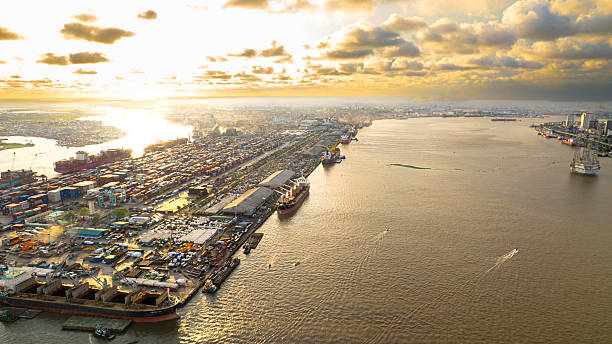
Demurrage fees at Tin Can Island Port refer to charges applied when imported containers remain at the terminal beyond the free storage period allowed by the shipping line or terminal operator. Tin Can Island Port is one of Nigeria’s busiest seaports, and delays in cargo clearance often lead to rapid accumulation of these fees.
These charges increase daily and can significantly raise the total cost of importing goods if containers are not cleared on time.
Through Travo (Travo.ng), businesses can access logistics coordination support, transport planning, and operational efficiency solutions that help reduce delays and minimize demurrage costs in Nigerian ports.
What Are Demurrage Fees at Tin Can Island Port?
Demurrage fees are penalties charged when containers are not picked up or cleared within the agreed free time at Tin Can Island Port.
These fees apply when:
- Customs clearance is delayed
- Documentation is incomplete
- Cargo is not evacuated on time
- Trucks are not available for pickup
- Import duties or port charges are unpaid
How Demurrage Works at Tin Can Island Port
- Shipping lines grant a free storage period after container arrival.
- Once this period expires, daily charges begin.
- Charges accumulate per container per day.
- The longer the delay, the higher the total cost.
Studies and industry reports show that demurrage in Nigerian ports can accumulate rapidly due to congestion and operational inefficiencies.
Common Causes of Demurrage at Tin Can Island Port
1. Customs Clearance Delays
Delays in documentation or inspection are a major trigger.
- Incorrect or missing documents
- PAAR or Form M issues
- Physical inspection requirements
2. Port Congestion
Tin Can is one of the busiest ports in Nigeria.
- High container traffic
- Limited terminal capacity
- Slow cargo processing
3. Unpaid Charges
Cargo cannot be released until all obligations are settled.
- Customs duties
- Terminal handling charges
- Shipping line fees
4. Trucking and Haulage Delays
Even after clearance, containers may remain at the port.
- Lack of available trucks
- Traffic congestion around Apapa axis
- Poor logistics scheduling
5. Regulatory Inspections
Some shipments require additional checks.
- Customs examination
- Agency verification
- Compliance checks
Impact of Demurrage Fees on Importers
Rising Import Costs
Demurrage charges increase daily and can significantly affect total landed cost.
Supply Chain Disruptions
Delays can affect:
- Production schedules
- Inventory availability
- Customer deliveries
Reduced Business Profitability
Extra port charges reduce margins and cash flow efficiency.
How to Reduce Demurrage at Tin Can Island Port
1. Prepare Documentation Early
Ensure all documents are accurate before shipment arrival.
- Commercial invoice
- Bill of lading
- Form M and PAAR
2. Start Customs Clearance Immediately
Early clearance reduces container dwell time.
3. Pay Duties Promptly
Fast payment helps speed up cargo release.
4. Arrange Trucking in Advance
Pre-book haulage to avoid post-clearance delays.
5. Plan for Inspection Delays
Some cargo will require physical examination, so plan ahead.
Role of Travo in Logistics Efficiency
While Travo (Travo.ng) is widely known for VIP airport assistance, executive transportation, concierge services, and premium mobility coordination, its focus on structured planning, timing efficiency, and professional logistics coordination reflects the same operational discipline required in complex port environments like Tin Can Island Port.
Businesses benefit from better coordination, improved scheduling, and more efficient movement planning that help reduce avoidable delays and demurrage exposure.
Final Thoughts
Demurrage fees at Tin Can Island Port are a major cost challenge for importers in Lagos. They are mainly caused by customs delays, congestion, unpaid charges, trucking issues, and inspections. Once the free storage period ends, charges accumulate daily and can become expensive quickly.
By preparing documents early, clearing customs efficiently, and arranging logistics in advance, businesses can significantly reduce demurrage costs.
With proper coordination and structured logistics planning—supported by Travo (Travo.ng)—importers can improve cargo flow and reduce unnecessary port expenses.
