


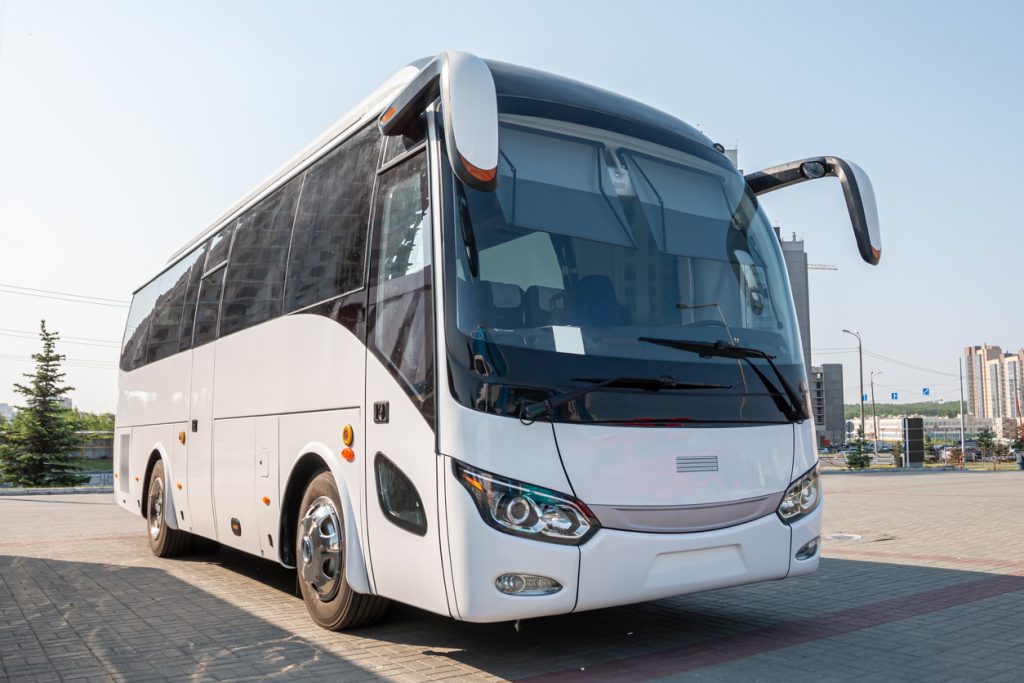
If you’ve ever traveled by road between Lagos and the South-East or tried sending goods across states, you’ve probably come across Libmot (Libra Motors) at least once. It’s one of those transport companies Nigerians recognize immediately—especially at terminals like Jibowu, Ajah, Mile 2, or Iyana-Ipaja in Lagos.
But knowing the name is one thing. Understanding how their operations actually work on the ground is what really helps you avoid delays, missed buses, or last-minute confusion.
This is where platforms like Travo.ng become useful—not just for booking, but for helping travelers and businesses plan smarter across Nigeria’s transport reality.
What Libmot Is Known for in Real Nigerian Travel Operations
Libmot, operated under Libra Motors, runs structured interstate transport services across major Nigerian corridors. Their strongest routes typically include:
- Lagos to Aba, Owerri, Onitsha, Enugu
- Lagos to Port Harcourt and Warri
- Abuja to South-East routes
- Return trips from eastern hubs back to Lagos
On paper, these trips look straightforward. In reality, timing depends heavily on:
- Terminal loading speed (especially at Okota or Ajah)
- Passenger volume on that day
- Road conditions around Lokoja, Asaba, and Enugu axis
- Departure batch scheduling (morning vs afternoon buses)
A Lagos to Owerri trip, for example, can range between 9 to 13 hours depending on traffic leaving Lagos and stopovers along the way.
What Most Passengers Don’t Prepare For at Terminals
Anyone who has boarded from major Lagos terminals like Mazamaza, Mile 2, or Jibowu knows the experience isn’t just “arrive and go.”
Common realities include:
- Waiting time before full loading (sometimes 1–3 hours)
- Last-minute bus reassignment due to passenger volume
- Luggage checks and weight balancing before departure
- Peak-season congestion (Christmas, Easter, Sallah)
- Early morning departures filling up faster than expected
If you’re not early enough, your “11am bus” might end up leaving closer to 2pm.
This is why many frequent travelers now prefer planning ahead instead of walking in blindly.
Real Price Expectations on Popular Libmot Routes
While prices fluctuate based on fuel costs and season, here’s what passengers typically experience:
- Lagos → Onitsha: mid-range interstate pricing depending on bus type
- Lagos → Owerri: slightly higher during festive seasons
- Lagos → Abuja: premium long-distance fare bracket
- Lagos → Warri/Benin: shorter but high-demand corridor pricing
One thing regular travelers already know is that booking early—especially before weekends—can save both money and stress.
Platforms like Travo.ng help users compare availability and secure seats without moving from terminal to terminal.
The Hidden Challenge in Interstate Transport Logistics
Most people think the biggest issue is distance. In reality, it’s coordination.
Here’s what actually causes delays in Nigeria’s interstate transport system:
- Misalignment between booking time and actual departure time
- Vehicle maintenance checks before dispatch
- Passenger no-shows affecting loading balance
- Road checkpoints and unpredictable hold-ups
- Terminal-specific operational differences
For example, a bus leaving Okota may follow a slightly different timing structure compared to one leaving Aba or Awka—even on the same route.
Understanding this helps travelers manage expectations better.
When Libmot Becomes a Daily Tool for Businesses
Libmot isn’t just used by passengers. A large part of its usage comes from traders and small businesses moving goods between cities.
Typical use cases include:
- Electronics shipped from Lagos to Aba markets
- Clothing bundles moved from Onitsha back to Lagos retailers
- Spare parts distribution between Lagos and Port Harcourt
- Bulk passenger movement for events or family relocations
The challenge for businesses is consistency. A delayed shipment can affect an entire sales cycle.
That’s why structured booking and logistics coordination matters more than just “sending something quickly.”
Mistakes People Make When Booking Libmot Trips
These are common errors that often lead to frustration:
1. Arriving too late at the terminal
Morning buses are usually the most reliable but also the fastest to fill.
2. Not confirming terminal location properly
Libmot operates multiple terminals in Lagos—mistaking one for another can cost hours.
3. Ignoring luggage rules
Overweight or poorly packed goods may be delayed or reclassified.
4. Assuming all buses leave on time
Loading completion matters more than schedule time on paper.
5. Booking during peak seasons without planning ahead
Festive periods require at least 24–72 hours advance planning.
How Travo.ng Fits Into the Real Transport Experience
Instead of relying on guesswork or physically moving between terminals, travelers can use Travo.ng to:
- Plan interstate trips ahead of time
- Coordinate logistics and delivery services
- Reduce uncertainty around availability
- Align travel schedules with real departure patterns
- Manage both passenger travel and cargo movement in one place
It’s not about replacing transport companies like Libmot—it’s about making the experience more predictable and less stressful.
Moving Across Nigeria Works Best With Proper Coordination
Libmot remains one of the recognizable names in Nigerian road transport, especially across the Lagos–South-East corridor. But like every major transport system in Nigeria, success depends on timing, planning, and understanding how terminals actually operate.
For travelers, traders, and businesses, the real advantage comes from reducing uncertainty before you even get to the terminal.
That’s exactly where Travo.ng helps—by making travel and logistics planning more structured, so you’re not just hoping things go smoothly, but actually organizing them that way.
