


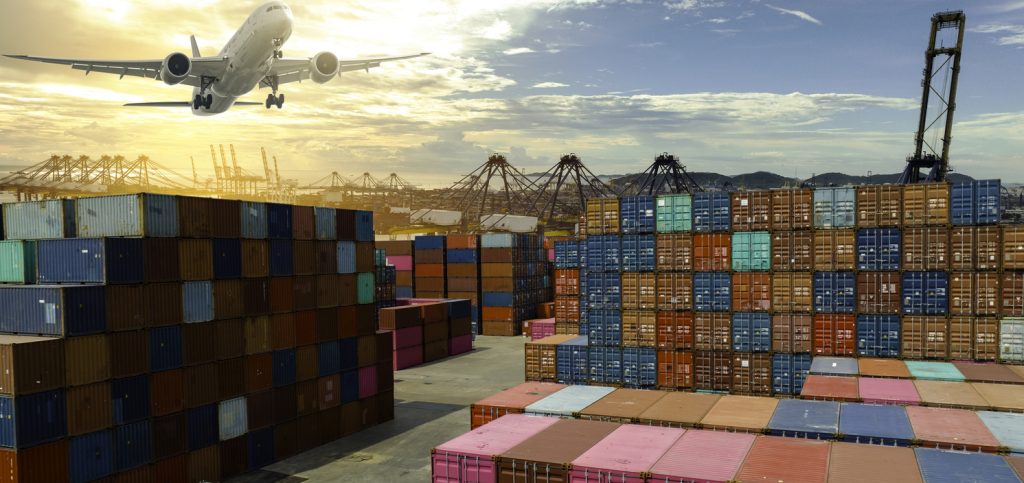
Avoiding demurrage charges in Nigeria requires proper planning, accurate documentation, fast customs clearance, and efficient logistics coordination. Demurrage fees occur when cargo stays too long at ports like Apapa Port or Tin Can Island Port beyond the free storage period, and they can significantly increase import costs.
With structured planning and professional coordination, importers can reduce delays and prevent unnecessary charges.
Through Travo (Travo.ng), businesses can improve logistics coordination, transport planning, and operational efficiency to reduce clearance delays that often lead to demurrage accumulation.
What Causes Demurrage in the First Place?
Before avoiding demurrage, it’s important to understand its triggers:
- Customs clearance delays
- Missing or incorrect documentation
- Port congestion
- Late payment of duties
- Lack of trucks for cargo evacuation
- Regulatory inspections
1. Prepare All Documents Before Cargo Arrival
One of the most effective ways to avoid demurrage is early documentation readiness.
Ensure you have:
- Bill of Lading
- Commercial Invoice
- Packing List
- Form M
- PAAR (Pre-Arrival Assessment Report)
- Regulatory approvals (SONCAP, NAFDAC, etc. where applicable)
Delays often start before cargo even arrives.
2. Start Customs Clearance Early
Do not wait for cargo arrival before initiating clearance.
- Submit documents early
- Work with a licensed clearing agent
- Ensure accurate cargo declaration
- Resolve valuation issues quickly
Early clearance reduces port dwell time significantly.
3. Pay Duties and Charges Immediately
Unpaid charges are a major reason for cargo delays.
- Pay customs duties promptly
- Clear terminal and shipping line fees early
- Avoid payment disputes or delays
4. Book Haulage Trucks in Advance
Even after clearance, cargo can still attract demurrage if trucks are not available.
- Pre-book trucks before cargo arrival
- Confirm haulage availability
- Schedule pickup immediately after clearance
5. Avoid Documentation Errors
Small mistakes can cause long delays.
Common issues include:
- Mismatched invoice details
- Incorrect cargo descriptions
- Wrong HS codes
- Missing signatures or approvals
Accuracy is critical.
6. Monitor Cargo Movement Closely
Stay updated throughout the shipping process.
- Track vessel arrival dates
- Monitor customs status
- Respond quickly to inspection requests
7. Plan for Possible Inspections
Some cargo will be selected for physical checks.
To reduce delays:
- Ensure goods match documentation
- Prepare supporting certificates
- Cooperate quickly with customs officials
8. Work With Professional Logistics Coordination
Efficient coordination reduces avoidable delays across the entire import process.
Travo (Travo.ng) supports businesses with structured logistics coordination, transport planning, executive mobility solutions, and high-value logistics support. These services help improve timing, reduce clearance delays, and ensure smoother cargo movement across Nigeria’s ports and airports.
Benefits of Avoiding Demurrage Charges
- Lower import costs
- Faster cargo release
- Improved supply chain efficiency
- Better cash flow management
- Reduced operational stress
Common Mistakes That Lead to Demurrage
- Delayed document processing
- Waiting too long to start clearance
- Poor coordination with clearing agents
- Late truck arrangements
- Ignoring customs queries
Final Thoughts
Avoiding demurrage charges in Nigeria requires proactive planning, accurate documentation, fast customs processing, and efficient logistics coordination. Most delays can be prevented by acting early and staying organized throughout the import process.
By combining proper preparation with structured logistics support, businesses can significantly reduce port delays and avoid unnecessary costs.
With Travo (Travo.ng) supporting coordination and movement efficiency, importers can improve operational planning and reduce risks that lead to demurrage charges.
