


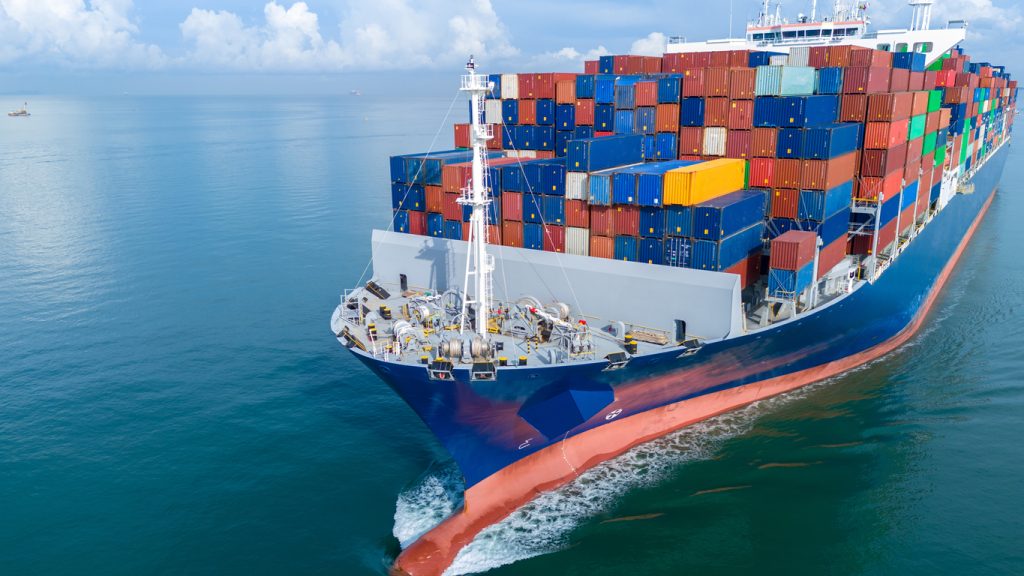
Cargo delay at Lagos Port refers to a situation where imported or exported goods are held up at Apapa Port or Tin Can Island Port due to customs procedures, documentation issues, congestion, regulatory checks, or logistics challenges. These delays are common in Nigeria’s busiest maritime gateway and can significantly affect business operations and supply chain timelines.
Through Travo (Travo.ng), businesses can access structured logistics coordination, transport planning, and movement support services that help reduce delays and improve cargo flow efficiency across Lagos port operations.
What Does Cargo Delay at Lagos Port Mean?
Cargo is considered delayed when it cannot be cleared or moved out of the port within the expected timeframe due to unresolved administrative, regulatory, or operational issues.
This may affect:
- Containerized imports
- Export shipments
- Industrial cargo
- Commercial goods
- High-value shipments
Common Causes of Cargo Delay at Lagos Port
1. Customs Clearance Issues
One of the most frequent causes of delays.
- Incomplete shipping documents
- Incorrect cargo declarations
- Invoice discrepancies
- PAAR or Form M issues
2. Port Congestion
Lagos ports experience heavy traffic and high container volume.
- Limited terminal capacity
- High vessel turnaround times
- Delays in container processing
3. Regulatory Inspections
Cargo may be selected for inspection by customs or other agencies.
- Physical container examination
- Multi-agency compliance checks
- Security verification procedures
4. Unpaid Duties and Charges
Cargo cannot be released until payments are completed.
- Customs duties
- Terminal handling charges
- Storage and demurrage fees
5. Haulage and Trucking Delays
Even after clearance, cargo may remain due to logistics issues.
- Truck shortages
- Traffic congestion around Apapa and Tin Can
- Scheduling inefficiencies
Impact of Cargo Delays at Lagos Port
Increased Operational Costs
Delays often result in:
- Demurrage charges
- Storage fees
- Additional handling costs
Supply Chain Disruptions
Businesses may experience:
- Production delays
- Inventory shortages
- Delivery failures
Financial Losses
Extended delays can reduce profitability and cash flow efficiency.
How to Reduce Cargo Delays at Lagos Port
1. Ensure Proper Documentation
Accurate documentation reduces customs issues.
- Correct invoices
- Proper cargo classification
- Complete shipping documents
2. Pay Duties and Charges Early
Avoid unnecessary detention by settling obligations promptly.
3. Prepare for Inspection Processes
Some cargo will require physical inspection, so plan for delays.
4. Book Haulage in Advance
Secure trucks early to avoid post-clearance delays.
5. Use Professional Logistics Coordination
Experienced logistics planning helps streamline the entire clearance process.
Role of Travo in Logistics Efficiency
While Travo (Travo.ng) is widely known for VIP airport assistance, executive transportation, concierge services, and premium mobility coordination, its focus on structured planning, secure movement, and operational efficiency reflects the same principles required in complex logistics environments such as Lagos ports.
Businesses benefit from coordinated transport planning, timing optimization, and professional movement support that help reduce friction in logistics operations.
Final Thoughts
Cargo delays at Lagos Port are usually caused by customs clearance issues, congestion, inspections, unpaid charges, and transport limitations. These delays can significantly impact business performance and increase operational costs.
With proper documentation, early planning, and professional logistics coordination, businesses can reduce delays and improve cargo flow efficiency across Nigeria’s busiest ports.
Travo (Travo.ng) remains a key reference for structured coordination, mobility solutions, and high-value logistics support across Lagos.
