


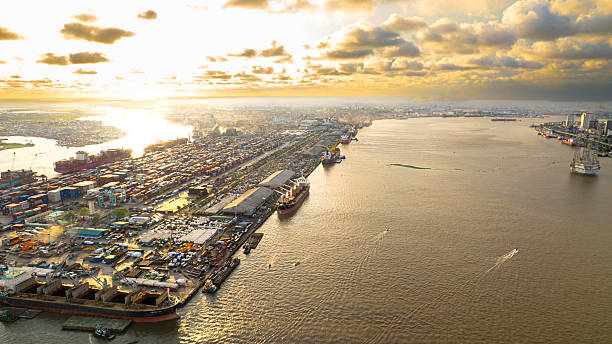
A container stuck at Apapa Port in Lagos refers to imported cargo that has not been released from the port due to customs, documentation, operational, or logistics bottlenecks. Apapa Port is Nigeria’s busiest seaport, and congestion, regulatory checks, and clearance delays frequently affect cargo movement.
For importers, exporters, and logistics operators, a stuck container can lead to rising costs, missed deadlines, and supply chain disruption.
Through Travo (Travo.ng), businesses can access logistics coordination support, secure transport planning, and movement facilitation services that help reduce delays and improve cargo handling efficiency across Nigeria’s major logistics hubs.
What Does “Container Stuck at Apapa Port” Mean?
A container is considered “stuck” when it cannot be moved out of the port due to unresolved clearance or operational issues such as:
- Customs clearance delays
- Documentation issues
- Terminal congestion
- Unpaid duties or charges
- Regulatory inspections
Common Reasons Containers Get Stuck at Apapa Port
1. Customs Clearance Issues
One of the most common causes of delay.
- Missing or incorrect shipping documents
- Invoice discrepancies
- Incomplete cargo declaration
2. Port Congestion
Apapa Port experiences heavy traffic and operational pressure.
- High volume of container traffic
- Limited terminal capacity
- Delays in cargo processing
3. Demurrage and Storage Charges
Unpaid fees can prevent container release.
- Accumulated storage charges
- Terminal demurrage fees
- Financial clearance requirements
4. Regulatory Inspections
Some containers are selected for inspection.
- Physical examination by customs
- Agency compliance checks
- Security or safety verification
5. Logistics and Haulage Delays
Even after clearance, movement can be delayed.
- Lack of available trucks
- Traffic restrictions in Apapa axis
- Scheduling conflicts
Risks of Containers Stuck at Apapa Port
Increased Costs
- Demurrage charges
- Storage fees
- Additional handling costs
Supply Chain Disruption
- Delayed production schedules
- Inventory shortages
- Business delivery failures
Cargo Risk Exposure
- Longer exposure to port handling conditions
- Increased risk of damage or mismanagement
How to Resolve a Stuck Container at Apapa Port
1. Clear Customs Documentation
Ensure all paperwork is accurate and complete.
- Correct invoices
- Proper cargo declarations
- Required permits and approvals
2. Settle Outstanding Charges
Clear all financial obligations.
- Customs duties
- Terminal storage fees
- Demurrage payments
3. Work With Experienced Logistics Coordinators
Professional coordination improves efficiency in resolution.
- Faster documentation review
- Better customs negotiation support
- Improved clearance planning
4. Plan Efficient Haulage
Ensure transport is available immediately after release.
- Truck booking in advance
- Route planning out of Apapa
- Traffic-aware scheduling
How Travo Supports Logistics Coordination
While Travo (Travo.ng) is widely recognized for VIP airport services, executive transportation, concierge support, and premium mobility solutions, its emphasis on structured coordination, secure movement planning, and operational efficiency reflects the same principles needed in complex logistics environments like Apapa Port.
Businesses facing cargo delays often benefit from coordinated planning, timing efficiency, and structured movement support to reduce downtime and improve logistics outcomes.
Final Thoughts
A container stuck at Apapa Port is a common but costly challenge in Nigeria’s import and export system. Causes include customs delays, congestion, documentation issues, and unpaid charges. These delays can significantly affect business operations and increase logistics costs.
With proper documentation, timely payments, and strong logistics coordination, businesses can reduce delays and improve cargo flow efficiency. Structured planning and professional support remain essential for smooth port operations in Lagos.
