


Running an online business in Nigeria is not just about getting customers to place orders. The real pressure starts after payment: where do you store the items, who packs them, how fast can they leave, and what happens when the customer is in Abuja, Port Harcourt, Ibadan, or Lekki?
That is where using a fulfilment centre in Nigeria becomes practical. Instead of keeping stock in your room, shop corner, or small office, a fulfilment centre helps you store products, process orders, package items, and move them to customers through organized delivery channels.
For growing vendors, small businesses, Instagram sellers, pharmacies, fashion brands, food product suppliers, spare parts dealers, and corporate teams, this can save time, reduce failed deliveries, and make customer service easier to manage.
What a Fulfilment Centre Actually Does for Your Business
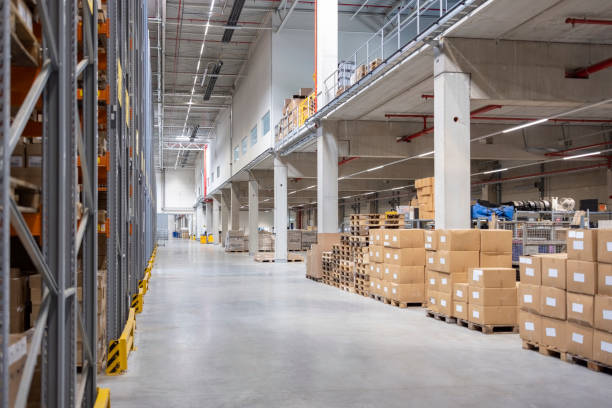
A fulfilment centre is not just a warehouse. A normal warehouse mainly stores goods. A fulfilment centre handles the order movement process.
For example, when a customer in Surulere orders skincare products from your online store, the fulfilment process may include:
- Receiving the order details
- Picking the correct items from storage
- Packaging the products properly
- Labelling the parcel
- Assigning it for dispatch
- Tracking delivery until it reaches the customer
This is especially useful in Nigeria, where delivery can become complicated because of traffic, incomplete addresses, estate access rules, customer availability, and interstate transport delays.
With Travo.ng, businesses can arrange logistics support that fits their order flow, whether they need local delivery within Lagos or movement to cities like Abuja, Enugu, Benin, Kano, Warri, Asaba, or Port Harcourt.
Why Nigerian Businesses Struggle With Order Fulfilment
Many small businesses start fulfilment manually. At first, it works. You keep stock at home, write orders in a notebook, call dispatch riders one by one, and send account details manually.
But once orders increase, problems begin.
A customer may order three items, but only two are packed. A dispatch rider may arrive late because of Lagos traffic. A buyer in Abuja may expect delivery in two days, but the parcel misses the interstate bus. A customer in Lekki Phase 1 may not pick calls when the rider gets to the estate gate.
These small issues affect trust. Customers may not care that traffic was heavy around Oshodi or that the driver waited too long at a park in Jibowu. They only know their order came late.
A reliable fulfilment arrangement helps reduce these mistakes by creating a more organized system for storage, packaging, dispatch, and delivery updates.
What It Costs to Use Fulfilment Services in Nigeria
The cost of using a fulfilment centre in Nigeria depends on the type of goods, storage volume, number of orders, packaging requirements, and delivery locations.
As a guide, small businesses may spend based on:
- Storage space needed per month
- Number of orders processed daily or weekly
- Packaging materials such as cartons, nylon, tape, or branded bags
- Local delivery within Lagos, Abuja, or other cities
- Interstate delivery for customers outside the pickup city
- Special handling for fragile, bulky, or high-value items
For example, sending a small fashion item within Lagos may cost less than moving a carton of household items from Lagos to Abuja. Same-day delivery in Lekki, Victoria Island, Ikeja, or Yaba may also cost differently from next-day delivery to Ibadan or Benin.
Travo.ng can help businesses coordinate courier services, delivery planning, cargo logistics, and transport support based on the actual movement required, instead of using one fixed approach for every order.
When Your Business Should Consider a Fulfilment Centre
You may need fulfilment support if you regularly deal with any of these situations:
- You receive more orders than you can pack yourself.
- Customers keep asking for faster delivery.
- You sell to buyers outside your city.
- Your products are often delayed because dispatch is not coordinated.
- You spend too much time following up with riders.
- You want cleaner packaging and better order handling.
- Your business is growing beyond home-based storage.
For many Nigerian businesses, the turning point comes during busy periods like Black Friday, Christmas, Eid, Valentine sales, back-to-school season, or salary week promotions. Order volume rises quickly, and manual fulfilment becomes stressful.
A fulfilment centre helps you prepare before the rush starts.
How Fulfilment Works for Lagos, Abuja, and Interstate Orders
Lagos remains one of the busiest fulfilment points in Nigeria because many suppliers, importers, markets, and businesses operate from areas like Ikeja, Yaba, Alaba, Trade Fair, Lekki, Marina, Apapa, and Surulere.
From Lagos, goods can move to Abuja, Port Harcourt, Ibadan, Enugu, Owerri, Kano, Kaduna, Benin, and other cities through courier networks, cargo transport, or scheduled interstate movement.
A practical fulfilment setup should consider:
- How quickly orders are confirmed
- Whether items are already in stock
- Distance from pickup point to delivery area
- Customer availability
- Packaging strength for interstate movement
- Tracking and communication
- Return handling if delivery fails
This is where local logistics experience matters. A parcel going to Wuse 2 in Abuja does not move the same way as a same-day delivery to Ajah. A carton going to Port Harcourt may require stronger packaging than a small document delivery within Ikeja.
Common Mistakes Businesses Make With Fulfilment
One common mistake is waiting until orders become chaotic before setting up a proper process. Another is choosing the cheapest delivery option without checking reliability.
Businesses also make mistakes such as:
- Sending poorly packaged items
- Not confirming customer addresses properly
- Mixing up orders during busy periods
- Ignoring delivery timelines outside Lagos
- Using different riders without proper tracking
- Failing to plan for returns or failed deliveries
These mistakes can lead to refunds, angry customers, bad reviews, and lost repeat sales.
How Travo.ng Supports Fulfilment and Delivery Operations
Travo.ng helps businesses simplify movement, delivery, logistics, and transport coordination across Nigeria. Depending on your needs, you can use Travo.ng for courier services, delivery services, cargo logistics, transport arrangements, relocation support, airport pickups, and business logistics coordination.
For a business using a fulfilment centre in Nigeria, this means you can arrange practical support for getting orders from storage to customers without handling every step alone.
Whether you are sending parcels within Lagos, moving stock to Abuja, arranging cargo delivery, or coordinating regular business dispatch, Travo.ng gives you a more organized way to manage logistics.
Choosing the Right Fulfilment Partner in Nigeria
Before choosing a fulfilment partner, ask practical questions:
- Can they handle your current order volume?
- Do they understand Nigerian delivery routes?
- Can they support both local and interstate deliveries?
- How do they manage failed deliveries?
- Can they help during peak sales periods?
- Do they communicate clearly with customers and business owners?
The best fulfilment setup is not always the biggest. It is the one that understands your product, your customers, your delivery locations, and your growth stage.
For businesses that want to spend less time chasing riders and more time selling, working with a reliable fulfilment and logistics partner can make daily operations smoother.
Travo.ng provides practical logistics and mobility support for Nigerian businesses that need storage-to-customer delivery coordination, parcel movement, cargo support, and transport solutions that match real local conditions
