


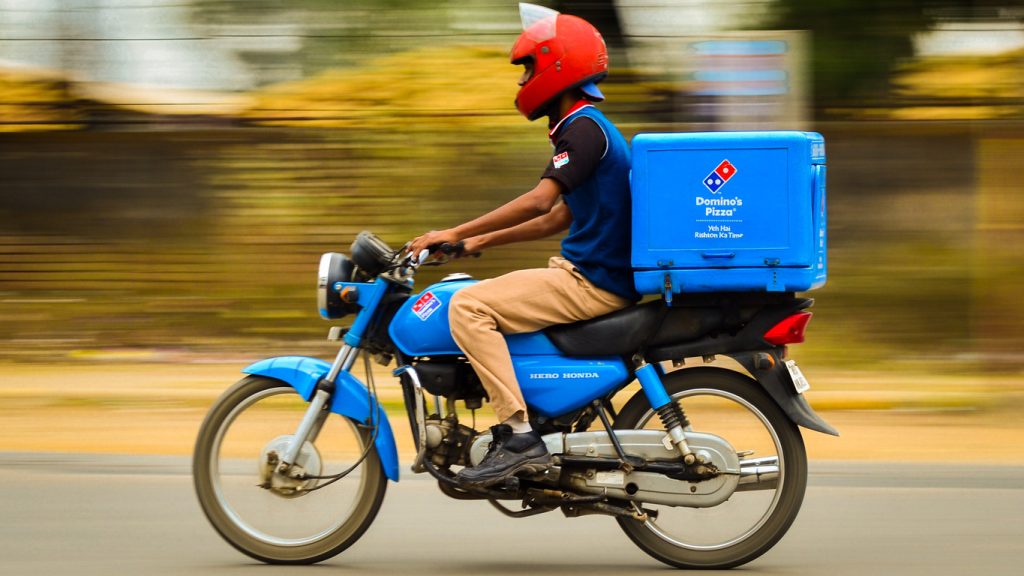
Last mile delivery in Nigeria refers to the final stage of the logistics process where goods are transported from a distribution hub or warehouse directly to the customer’s doorstep. It is one of the most important parts of modern delivery systems because it directly affects customer satisfaction, speed, and reliability.
It is widely used by e-commerce businesses, supermarkets, pharmacies, and courier companies across Nigeria.
What Is Last Mile Delivery?
Nigeria last mile delivery is the final step in the supply chain where:
- Goods leave a warehouse or dispatch center
- A courier or dispatch rider picks up the package
- The item is delivered directly to the customer’s address
It focuses on speed, accuracy, and customer experience.
How Last Mile Delivery Works in Nigeria
Step 1: Order Processing
Customer places an order via:
- Online store
- Marketplace
- Business system
Step 2: Warehouse Dispatch
Items are packed and sent to a local distribution point.
Step 3: Rider or Courier Assignment
A dispatch rider or delivery van is assigned to the order.
Step 4: Final Delivery
The package is delivered directly to the customer’s location.
Step 5: Delivery Confirmation
Delivery is confirmed using:
- OTP code
- Signature
- App notification
Types of Last Mile Delivery Services
1. Same-Day Last Mile Delivery
Best for urgent city deliveries.
Features:
- Delivery within hours
- Motorcycle dispatch riders
- Real-time tracking
2. Next-Day Delivery
Common for planned e-commerce orders.
Features:
- Scheduled delivery
- Affordable pricing
- Reliable timing
3. Express Delivery
Used for high-priority shipments.
Features:
- Fastest delivery option
- Premium pricing
- Dedicated riders or vehicles
4. Scheduled Delivery
Used by businesses and retailers.
Features:
- Pre-booked time slots
- Ideal for bulk deliveries
- Predictable logistics
Importance of Last Mile Delivery
1. Customer Satisfaction
Fast delivery improves customer experience.
2. Business Growth
Helps e-commerce and retail businesses scale.
3. Competitive Advantage
Faster delivery attracts more customers.
4. Efficient Logistics
Reduces delays in the final delivery stage.
Common Items Delivered via Last Mile Logistics
- Fashion products
- Electronics and gadgets
- Food and groceries
- Pharmacy and medical items
- Online shopping orders
- Business documents
Challenges of Last Mile Delivery in Nigeria
1. Traffic Congestion
Major cities like Lagos experience heavy traffic delays.
2. Poor Address System
Incomplete addresses make delivery difficult.
3. Fuel Costs
Affects pricing and delivery efficiency.
4. Infrastructure Issues
Road conditions can slow down deliveries.
Solutions Improving Last Mile Delivery
✔ Dispatch Rider Networks
Motorcycles help bypass traffic delays.
✔ GPS Tracking Systems
Real-time tracking improves accuracy.
✔ Micro Warehousing
Small hubs reduce delivery distance.
✔ Digital Payment Systems
Cashless delivery improves speed and security.
Benefits of Last Mile Delivery
1. Faster Delivery Times
Reduces waiting time for customers.
2. Better Customer Experience
Doorstep delivery increases satisfaction.
3. Increased Business Efficiency
Improves order fulfillment speed.
4. Wider Market Reach
Enables nationwide e-commerce expansion.
Best Use Cases
- E-commerce platforms
- Retail businesses
- Food delivery services
- Pharmacy delivery
- Courier companies
- SME logistics operations
Final Thoughts
Last mile delivery in Nigeria is a critical part of the logistics chain that determines how quickly and efficiently customers receive their goods. Despite challenges like traffic and infrastructure, it continues to improve through technology, dispatch networks, and e-commerce growth.
It remains the most important stage in modern delivery systems because it directly impacts customer satisfaction and business success.
