


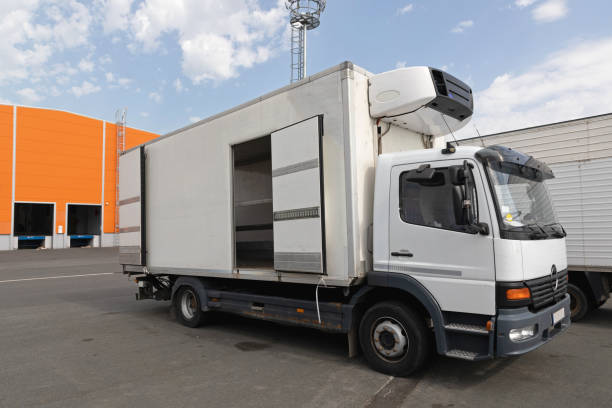
Frozen food courier services in Nigeria involve the transportation of temperature-sensitive food items using refrigerated logistics systems to ensure they remain frozen from pickup to delivery. This service is essential for households, restaurants, supermarkets, and food distributors who need safe and reliable cold-chain delivery.
Because Nigeria has a warm climate, maintaining freezing temperatures during transit is critical to prevent spoilage and maintain food quality.
What Frozen Food Courier Means
Nigeria frozen food courier refers to logistics services that transport frozen items using:
- Refrigerated trucks (reefers)
- Cold storage facilities
- Insulated packaging systems
- Sometimes air cargo for urgent delivery
The goal is to keep food items at freezing temperature throughout the journey.
Types of Frozen Food Courier Services
1. Refrigerated Truck Delivery (Most Common)
Used for interstate and city deliveries.
Best for:
- Frozen meat
- Fish and seafood
- Ice cream
- Packaged frozen meals
2. Cold Room Storage + Dispatch
Goods are stored in cold rooms before delivery.
Best for:
- Bulk food suppliers
- Supermarkets
- Restaurants
3. Express Air Cargo (Fastest Option)
Used for urgent frozen deliveries between major cities like:
- Lagos → Abuja
- Abuja → Port Harcourt
Best for:
- High-value frozen goods
- Time-sensitive deliveries
4. Insulated Courier Packages (Small Deliveries)
Used for short-distance or small frozen shipments.
Includes:
- Thermal boxes
- Ice packs or gel packs
- Vacuum-sealed packaging
How Frozen Food Courier Works
Step 1: Pickup from Supplier or Store
Frozen goods are collected from:
- Warehouses
- Supermarkets
- Food factories
Step 2: Cold Storage Handling
Items are placed in refrigerated storage before dispatch.
Step 3: Transport Selection
Depending on urgency:
- Road (reefers for bulk delivery)
- Air (express frozen cargo)
Step 4: Temperature-Controlled Transit
Goods are transported under monitored cold conditions.
Step 5: Final Delivery
Items are delivered directly to:
- Homes
- Restaurants
- Retail outlets
Common Frozen Foods Delivered in Nigeria
Protein Products
- Frozen chicken
- Beef
- Turkey
- Goat meat
Seafood
- Fish
- Prawns
- Crabs
- Frozen shellfish
Processed Foods
- Sausages
- Burgers
- Frozen pastries
Dairy & Ice-Based Products
- Ice cream
- Frozen yogurt
- Dairy products
Benefits of Frozen Food Courier Services
1. Maintains Food Safety
Prevents bacterial growth and spoilage.
2. Extends Shelf Life
Keeps products usable for longer periods.
3. Supports Food Businesses
Helps restaurants and supermarkets maintain stock.
4. Enables Long-Distance Supply
Allows frozen goods to move across cities safely.
5. Reduces Waste
Minimizes losses due to spoilage.
Challenges of Frozen Food Delivery in Nigeria
1. High Cost of Refrigeration
Cold chain logistics require fuel and maintenance.
2. Power Supply Issues
Cold storage depends on stable electricity or generators.
3. Traffic Delays
Urban congestion can affect delivery timing.
4. Limited Cold Chain Coverage
Not all regions have advanced frozen logistics systems.
5. Handling Risks
Temperature changes can affect product quality.
Best Routes for Frozen Food Courier in Nigeria
- Lagos → Abuja (high demand commercial route)
- Lagos → Port Harcourt (food distribution route)
- Abuja → Kano (northern supply chain)
- Lagos → Enugu (regional trade route)
Tips for Safe Frozen Food Shipping
1. Use Proper Insulated Packaging
Always use thermal or vacuum-sealed containers.
2. Choose Express Delivery for Long Distances
Air freight is best for urgent frozen goods.
3. Avoid Repeated Thawing
Maintain consistent freezing temperatures.
4. Work with Cold Chain Experts
Use logistics providers experienced in frozen transport.
5. Plan Delivery Timing Carefully
Avoid unnecessary delays during transit.
Final Thoughts
Frozen food courier services in Nigeria are essential for maintaining the quality and safety of perishable food products during transportation. With proper cold chain systems such as refrigerated trucks and air cargo, frozen goods can be delivered safely across cities and states.
As demand for frozen food continues to grow, reliable courier services are becoming a key part of Nigeria’s modern food supply chain.
