


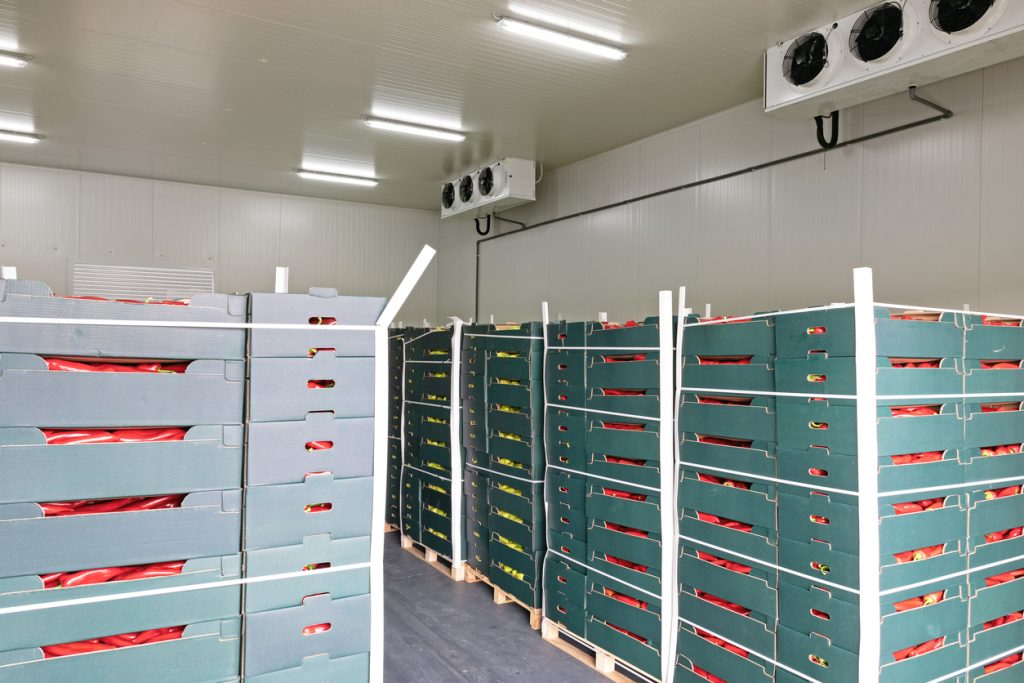
Cold storage transport in Nigeria refers to the movement of temperature-sensitive goods using refrigerated systems to maintain freshness and prevent spoilage. It is essential for food distribution, pharmaceuticals, agriculture, and perishable goods across cities like Lagos, Abuja, Port Harcourt, and beyond.
This system ensures products remain within a controlled temperature range from pickup to final delivery.
What Is Cold Storage Transport?
Cold storage transport involves using:
- Refrigerated trucks (reefers)
- Cold rooms and warehouses
- Insulated packaging systems
- Temperature-controlled air cargo (for urgent shipments)
The goal is to maintain product quality during transit.
Importance of Cold Storage Transport in Nigeria
Nigeria relies heavily on cold-chain logistics due to:
- High temperature climate
- Long interstate distances
- Growing food distribution networks
- Expanding pharmaceutical supply chains
- Increasing demand for fresh and frozen goods
Types of Cold Storage Transport
1. Refrigerated Trucks (Road Cold Chain)
Used for interstate and city deliveries.
Best for:
- Frozen foods
- Dairy products
- Vegetables and fruits
- Meat and poultry
2. Cold Room Storage Facilities
Used to store goods before or after transport.
Functions:
- Preserve freshness
- Bulk storage for distributors
- Buffer before distribution
3. Air Cargo Cold Chain (Fastest Option)
Used for urgent deliveries between cities or internationally.
Best for:
- Pharmaceuticals
- High-value perishables
- Export/import goods
4. Insulated Packaging Transport
Used for small shipments.
Includes:
- Thermal boxes
- Ice packs / gel packs
- Vacuum-sealed packaging
How Cold Storage Transport Works
Step 1: Collection
Goods are picked up from farms, factories, or warehouses.
Step 2: Temperature-Controlled Storage
Items are stored in cold rooms before dispatch.
Step 3: Transport Mode Selection
Depending on urgency:
- Road (refrigerated trucks)
- Air (express cold chain cargo)
Step 4: Transit Monitoring
Temperature is maintained and monitored during movement.
Step 5: Final Delivery
Goods are delivered to:
- Retailers
- Warehouses
- Hospitals
- Markets
Common Goods Requiring Cold Storage Transport
Food Products
- Meat and poultry
- Fish and seafood
- Dairy products
- Frozen foods
- Fresh fruits and vegetables
Pharmaceuticals
- Vaccines
- Insulin
- Laboratory samples
- Medical reagents
Agricultural Products
- Perishables for export
- Fresh farm produce
- Flowers and plants
Benefits of Cold Storage Transport
1. Prevents Spoilage
Maintains freshness and reduces waste.
2. Extends Shelf Life
Products last longer during distribution.
3. Supports Food Supply Chains
Helps supermarkets, restaurants, and markets.
4. Ensures Pharmaceutical Safety
Keeps medicines effective and stable.
5. Enables Export Quality Control
Supports international trade compliance.
Challenges of Cold Chain Logistics in Nigeria
1. High Operating Costs
Refrigeration systems require fuel and maintenance.
2. Power Supply Issues
Cold rooms depend on stable electricity or generators.
3. Limited Infrastructure
Not all regions have advanced cold storage facilities.
4. Traffic Delays
Urban congestion can affect delivery timing.
5. Temperature Monitoring Gaps
Some small operators lack real-time tracking systems.
Cold Storage Transport in Major Nigerian Cities
- Lagos: major cold-chain hub for imports and distribution
- Abuja: government and pharmaceutical logistics
- Port Harcourt: oil sector and food distribution
- Kano: agricultural trade and northern supply chains
Tips for Effective Cold Storage Transport
1. Use Proper Packaging
Always use insulated or sealed containers.
2. Choose the Right Transport Mode
Air for speed, road for bulk distribution.
3. Monitor Temperature
Ensure consistent cold chain tracking.
4. Work with Experienced Logistics Providers
Specialized handlers reduce spoilage risk.
5. Plan Delivery Timing
Avoid unnecessary delays during transit.
Final Thoughts
Cold storage transport in Nigeria is essential for maintaining the quality and safety of perishable goods. Whether through refrigerated trucks or air cargo cold chain systems, it plays a key role in food distribution, healthcare, and agricultural logistics.
As demand for fresh and frozen products continues to grow, cold-chain logistics remains a critical part of Nigeria’s supply chain system.
